
Plants
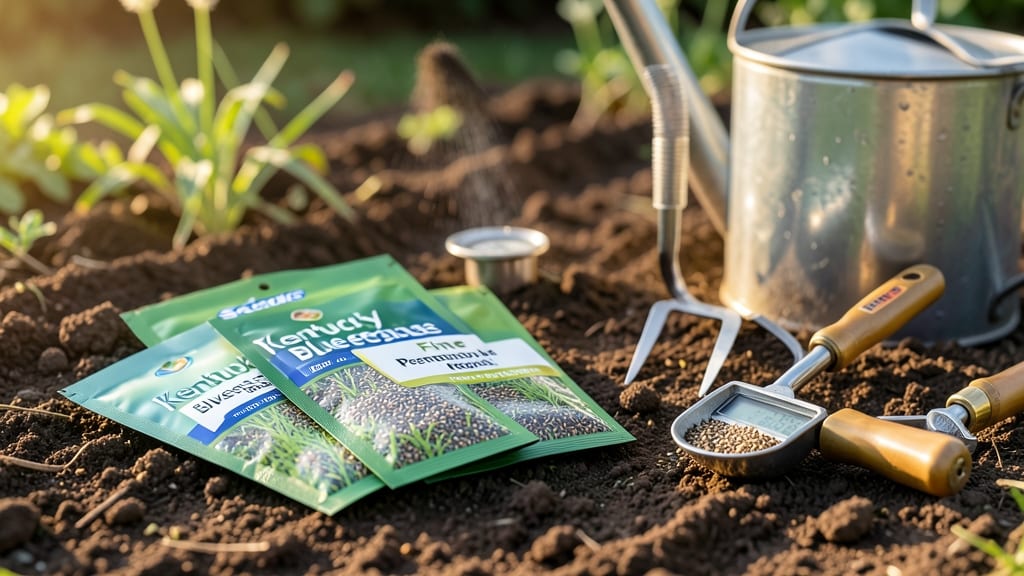
Planting grass seed in Vancouver at the right time ensures fast germination and a lawn that thrives through the region’s wet winters and mild summers.
Planting grass seed in Vancouver’s unpredictable climate can make the difference between a lush lawn and a patchy disappointment—getting the timing right is everything. With USDA Zone 8a frost dates ranging from mid-May to mid-October, even a few weeks off can mean struggling with slow growth or frost damage.
I’ve seen new lawns fail when planted too early in spring or too late in fall, and the key is knowing when to act.
For fast, reliable results, focus on the two best windows: early fall (September to mid-October) and late spring (March to early May). These periods give seeds time to establish roots before winter dormancy or summer heat stress.
Coastal areas like West Vancouver may have slightly milder microclimates, while inland zones like Surrey can dry out faster—so adjust your timing accordingly.
Below, I’ll break down the exact months to plant, how to prep your soil for Vancouver’s rainy climate, and the best grass varieties for your yard’s sun or shade.
Whether you’re overseeding an existing lawn or starting fresh, these tips will help you avoid common pitfalls and get a head start on a greener spring.
Best months to plant grass seed in Vancouver for optimal germination
Vancouver’s mild but unpredictable climate makes timing critical for grass seed success. Cool-season grasses like Kentucky Bluegrass and Fine Fescue thrive when planted during ideal soil temperatures of 50–70°F, which aligns with two key windows: early spring and fall.
Warm-season grasses like Bermuda grass (rare in Vancouver) prefer summer, but they’re not ideal for our region. Let’s break down the best months and why they matter.
Fall planting (September–October) is my top recommendation for Vancouver. Why? Cooler air temperatures reduce water stress while soil stays warm enough for germination. Grass seeds planted in fall establish roots before winter, giving you a head start in spring.
Spring planting (March–April) works too, but you’ll need to watch for late frosts that can damage tender seedlings.
Vancouver’s microclimates add another layer of complexity. The North Shore and Fraser Valley experience different frost patterns—North Shore areas may frost earlier in fall, while Fraser Valley stays warmer longer. Always check your specific zone’s last frost date (typically mid-May) and first frost date (mid-October) to adjust timing.
Soil temperature is the #1 factor for germination. Use a soil thermometer to confirm conditions before planting. Aim for 55–65°F for cool-season grasses. If temperatures dip below 45°F, germination slows dramatically. In Vancouver, this usually means avoiding late October plantings unless you’re using cold-hardy varieties like Tall Fescue.
Here’s a quick rule of thumb: Plant 6–8 weeks before the first frost in fall or 2–4 weeks after the last frost in spring. For Vancouver, that’s typically early September to mid-October for fall and late March to early May for spring.
Overseeding existing lawns? Stick to these windows too—just reduce seed rates by 25–30%.
Regional adjustments matter. Coastal areas like West Vancouver stay cooler longer, so you might push fall plantings to early November. Inland areas like Surrey can handle later fall plantings due to warmer microclimates. Always err on the side of earlier planting if you’re unsure—grass seeds won’t germinate in cold soil.
🌱 Pro Tip: Test your soil’s pH before planting. Vancouver’s acidic soils (pH 5.5–6.5) often need lime adjustments for optimal grass growth. Aim for a pH of 6.0–7.0—this small step can double your success rate.
| Planting Window | Ideal Soil Temp (°F) | Vancouver Microclimate Notes | Grass Types Best Suited |
|---|---|---|---|
| Early September – Mid-October (Fall) | 55–65°F | North Shore: Plant by early Sept. Fraser Valley: Can extend to late Oct. | Kentucky Bluegrass, Fine Fescue, Tall Fescue |
| Late March – Early May (Spring) | 50–60°F | Coastal areas: Wait until late April. Inland: Early March works. | Perennial Ryegrass, Creeping Red Fescue |
| Avoid: Late October – February | Below 45°F | Risk of frost damage or poor germination. Exceptions: Cold-hardy varieties. | None (unless using winter ryegrass cover) |
Watering is just as critical as timing. Newly planted grass needs consistent moisture—aim for 1/2 inch of water per week (more in summer). Use a sprinkler with a rain gauge or check soil moisture: The top 1–2 inches should stay damp.
In Vancouver’s rainy climate, you’ll likely need to supplement watering to prevent fungal diseases like brown patch.
For shady lawns (common in Vancouver’s urban areas), choose Fine Fescue or Creeping Red Fescue, which tolerate lower light. Plant these in late summer (August) to take advantage of residual soil warmth. Avoid warm-season grasses—they’ll struggle in our cool summers.
✂️ Final Checklist: Before planting, clear debris, loosen soil, and level the area. For new lawns, use starter fertilizer with high phosphorus (e.g., 10-20-10 ratio) to encourage root growth. Overseeding? Mow existing grass short first to improve seed-to-soil contact.
How Vancouver’s frost dates impact grass seed success (and how to protect new lawns)
Vancouver’s last frost dates (typically mid-May) and first frost dates (around mid-October) create a tight window for planting grass seed without risking frost damage. Missing these dates can leave your new lawn vulnerable to winter kill or stunted growth.
I’ve seen too many gardeners rush planting in late fall only to watch their seedlings freeze overnight—don’t let that happen to you!
For fall plantings, aim to finish by mid-October to give seeds time to establish roots before winter dormancy. If you plant too late, tender seedlings won’t survive our 32°F+ frosts.
Spring plantings should wait until after the last frost (usually late April to early May), but check local forecasts—North Shore areas frost earlier than Fraser Valley.
🌱 Key Insight: Grass seeds need consistent soil temps above 50°F to germinate. If nighttime temps drop below 40°F, germination stops until conditions improve.
To extend your planting window, try these frost protection techniques:
- Straw mulch (3 inches) insulates soil and retains warmth.
- Frost cloth (lightweight fabric) shields seedlings from cold air.
- Row covers create microclimates that delay frost damage by 2–4 weeks. For late fall plantings (September–early October), combine mulch with frost cloth for maximum protection.
For spring plantings, wait until soil temps consistently stay above 50°F (usually late April). If you plant too early and a late frost hits, tender seedlings will crisp like autumn leaves. Use a soil thermometer to confirm readiness—this small tool saves hours of guesswork.
💧 Watering Tip: After planting, keep soil consistently moist (1/2 inch per week) to help roots outpace frost. Reduce watering in late fall to prevent fungal growth before winter dormancy begins.
Protecting new lawns from frost isn’t just about timing—it’s about layered defenses. Combine proper planting dates with mulch, frost cloth, and smart watering, and your grass will establish strong roots before winter sets in. Even in Vancouver’s unpredictable climate, a little preparation goes a long way!