
Plants
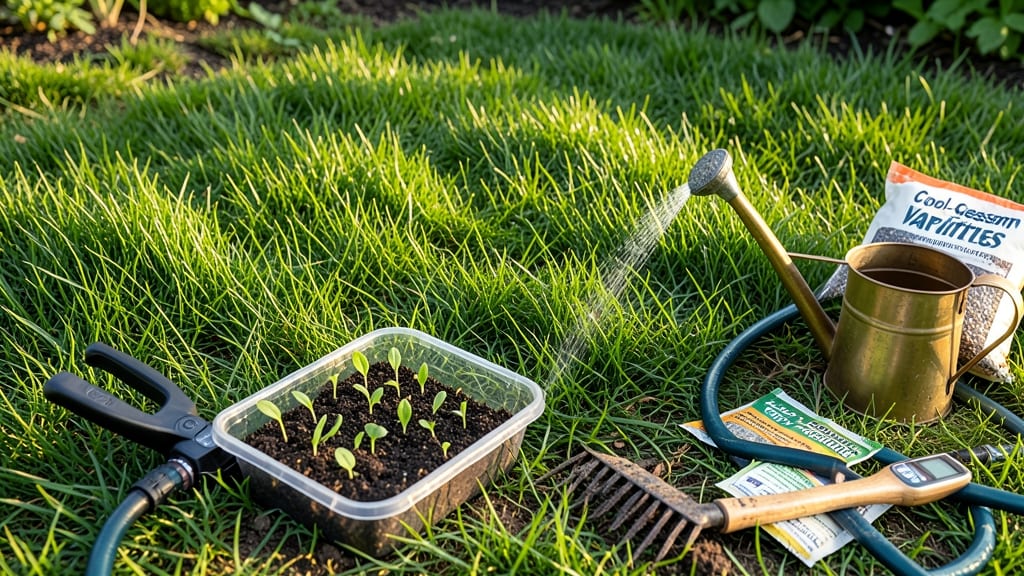
Planting grass seed in the Northeast at the right time means the difference between a thick, vibrant lawn and one that struggles to take hold.
Timing is everything—especially with our unpredictable spring and fall weather. Get it wrong, and you’re fighting frost, heat, or drought before your grass even gets a chance to root. But nail it, and you’ll have a lush lawn that outlasts the season.
For USDA Zones 5-7, the sweet spot is early spring (March-April) or early fall (September-October). These windows give your grass 4-6 weeks of warm soil and steady moisture before winter or summer stress sets in.
Below, I’ll break down the exact frost-free windows by zone, soil prep tips, and how to adjust for rain, humidity, or late frosts—so you can plant with confidence.
Northeast planting zones: best frost-free windows by USDA Zone
The Northeast’s USDA Zones 3-7 offer distinct frost-free windows for planting grass seed, but timing varies dramatically between New England and the Mid-Atlantic.
In Zone 3, where winters are harsh, you’ll need to plant 2-3 weeks earlier than in Zone 7, where mild winters extend the growing season. Understanding these differences helps you avoid planting too early (risking frost damage) or too late (missing the moisture window).
For most of the Northeast, the ideal planting windows are early spring (March-April) and early fall (September-October). These periods provide 4-6 weeks of warm soil and steady rainfall, giving grass seeds the best chance to establish roots before summer heat or winter dormancy.
However, Zone 5 gardeners in upstate New York or Vermont face earlier frosts than those in Zone 7 near Washington, D.C.
Below is a breakdown of the frost-free windows by zone, including last frost dates, soil temperature thresholds, and regional adjustments for rain-heavy areas like Maine or Pennsylvania. Use this as your guide to time your planting for maximum success.
| USDA Zone | Last Frost Date | First Frost Date | Best Planting Window | Soil Temp Threshold | Regional Notes |
|---|---|---|---|---|---|
| Zone 3 | Mid-May | Mid-September | Late April-Early May or Late August | 50°F (10°C) | Short growing season; prioritize cold-hardy varieties. |
| Zone 4 | Early-Mid May | Early October | Late April-Early June or Late August-September | 50°F (10°C) | Upstate NY, NH; watch for late spring frosts. |
| Zone 5 | Mid-April | Mid-October | March-April or September-October | 50°F (10°C) | PA, VT, ME; fall planting preferred for moisture. |
| Zone 6 | Early April | Late October | March-April or September-October | 50°F (10°C) | MD, WV; spring planting risks drought in May. |
| Zone 7 | Mid-March | Early November | February-March or September-October | 50°F (10°C) | DC, VA; fall planting ideal for cooler temps. |
In Zone 3 and Zone 4, where winters are long and frosts linger into May, focus on late August planting for fall establishment. These areas benefit from cool-season grasses like Tall Fescue or Kentucky Bluegrass, which tolerate early frosts.
Meanwhile, Zone 7 gardeners near the Mid-Atlantic can plant as early as February if soil temperatures stay above 50°F (10°C), but be prepared for late spring frosts in April.
Regional variations matter too. For example, Maine and Vermont experience cooler, wetter springs, while Penns
How to prepare your Northeast lawn for grass seed success
Once you’ve picked your planting window in the Northeast, the real work begins: preparing your soil for success. Cold, compacted soil and weed competition are the biggest enemies of new grass seed, especially in our region’s humid summers and freeze-thaw cycles.
Without proper prep, your seed might sprout but struggle to establish deep roots—leading to patchy lawns or wasted effort.
I’ve seen firsthand how a little extra prep—like aeration or soil testing—can turn a mediocre lawn into a thick, resilient carpet of grass. The key is adapting your approach based on whether you’re planting in spring (warmer soil but weed pressure) or fall (cooler temps but fewer pests).
Let’s break it down step by step.
📋 Step-by-Step Lawn Prep for Grass Seed
- 🔍 Test Your Soil: Use a pH test kit (ideal range: 6.0–7.0). Northeast soil is often acidic or compacted from winter. Adjust with lime (for pH >7) or sulfur (for pH <6).
- 🪣 Aerate the Lawn: Rent a core aerator to pull 3/8-inch plugs from the soil. Do this 2 weeks before planting in spring or 4 weeks before in fall. Focus on high-traffic areas first.
- 🌱 Kill Weeds: Apply a non-selective herbicide (like glyphosate) 2 weeks before planting to eliminate dandelions and crabgrass. Avoid pre-emergent herbicides—they’ll kill your new grass too!
- 💧 Loosen Soil: Use a garden rake to break up clumps and level the surface. Aim for a fine, crumbly texture—like cake batter, not concrete. Remove rocks and debris.
- 🌿 Add Compost: Spread 1/4-inch layer of compost or peat moss over the area. This improves drainage and adds organic matter for root growth. Lightly rake it in.
- ☀️ Choose the Right Seed: Pick a cool-season grass mix (like tall fescue or Kentucky bluegrass) and spread it evenly with a broadcast spreader. Lightly rake to ensure seed-to-soil contact.
- 💦 Water Deeply: Keep the soil consistently moist (not soggy) for the first 2–3 weeks. Water early morning to prevent fungus growth. Aim for 1/2 inch per week.
Spring planting requires extra vigilance against weed seeds germinating alongside your grass. I recommend a pre-emergent herbicide 4 weeks after planting to block weeds without harming established grass. For fall planting, focus on soil warmth—wait until soil temps hit 50°F+ to avoid slow germination.
One mistake I see often? Skipping the soil test. Northeast soil can be heavily compacted from snowmelt and foot traffic. If your soil fails the "squeeze test" (it stays clumped when wet), aeration is non-negotiable. Compacted soil strangles roots before they can grow.
Pro tip: If your lawn has bare spots, consider overseeding instead of full reseeding. It’s cheaper and faster—just rake, spread seed, and water. For large areas, a slit seeder can save time and ensure even coverage.
Finally, don’t forget to mow high once your grass reaches 3–4 inches. Taller grass shades out weeds and develops deeper roots—critical for surviving Northeast winters. With these steps, your grass seed will germinate faster, root deeper, and outcompete weeds all season long. 🌱