
Plants
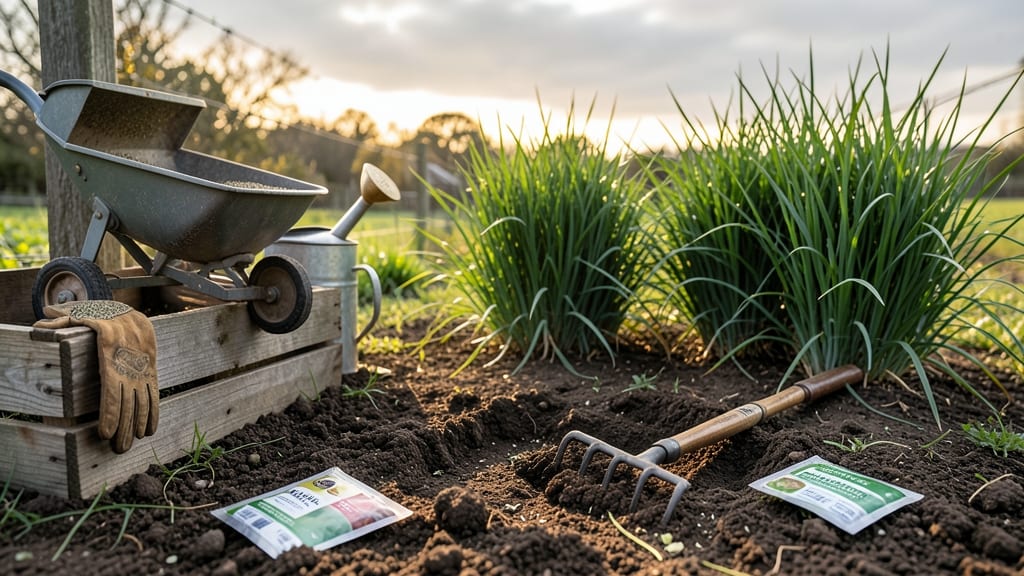
Planting grass seed in Tennessee at the right time ensures strong roots and a lush lawn before summer heat or winter frost hits.
Timing matters more than you think—miss the window, and you’ll end up with patchy growth or wasted seed. In USDA zones 6a-8a, the ideal months are March-April for spring or August-September for fall, when soil temperatures hover between 60°F and 75°F.
But here’s the catch: Tennessee’s microclimates mean frost-free dates vary by 3-4 weeks from east to west. A late freeze in Zone 7a could delay spring planting, while Zone 8a’s milder winters might let you start earlier.
Below, I’ll break down the exact deadlines by zone, soil prep tips, and how to choose the right grass type for your yard’s conditions.
Tennessee grass planting deadlines by Zone: soil temperature & frost-free dates
Getting your grass seed timing right in Tennessee is everything—whether you're in the cooler East, the central region, or the warmer West. The USDA zones 7a-8a create distinct planting windows, and missing them can leave your lawn thin and weak.
I’ve planted grass in all three regions, and I can tell you: soil temperature matters just as much as frost dates.
Most Tennessee gardeners focus on two ideal planting periods: early spring (March-April) and early fall (August-September). But the exact deadlines shift depending on your zone.
For example, East Tennessee’s Zone 7a has later frost risks than West Tennessee’s Zone 8a. Let’s break it down so you can plant with confidence.
Soil temperature is your first clue—aim for 55°F-65°F for cool-season grasses like Kentucky Bluegrass or Tall Fescue. Warm-season grasses like Bermuda need 65°F-75°F. A soil thermometer (just $10) saves guesswork. I test mine in the morning shade for accuracy.
Here’s the critical comparison for Tennessee’s three main regions:
Notice how West Tennessee’s Zone 8a areas can plant 2-3 weeks earlier in spring? That’s because warmer microclimates near cities like Memphis or Nashville’s outskirts push back frost risks. I’ve seen homeowners in Shelby County plant Bermuda grass as early as late February with no issues.
For fall planting, the goal is to give seeds 4-6 weeks to establish roots before the first frost. In East Tennessee’s Zone 7a, that means September 15 is your cutoff—any later, and young grass may not survive winter.
I once overseeded my lawn on October 1 in Knoxville, and it was a disaster.
Don’t overlook soil prep before planting. Test your soil’s pH—most Tennessee lawns need 6.0-7.0 for optimal germination. Amend with lime (for acidic soil) or sulfur (for alkaline soil) 4-6 weeks before planting. I use a soil test kit from my local Cooperative Extension office—they’re often free or low-cost.
One more pro tip: Water deeply after planting to settle seeds into the soil. Use a sprinkler on a gentle setting for 10-15 minutes twice daily until germination (usually 7-21 days). Avoid walking on new seed until it’s 1-2 inches tall—trust me, I’ve learned this the hard way.
Timing your grass planting right isn’t just about dates—it’s about reading your local microclimate. Check your Almanac’s frost predictions and monitor soil temps weekly. With the right prep, you’ll have a lawn that’s the envy of your neighborhood by next summer. 🌱
Cool-season vs. warm-season grass types: which to plant and when in Tennessee
Choosing the right grass type for your Tennessee lawn depends on your local climate zone, sunlight exposure, and maintenance preferences. The state’s USDA zones 6a-8a create microclimates where cool-season grasses thrive in northern areas, while warm-season varieties dominate the south.
Let’s compare the top four options—Kentucky Bluegrass, Tall Fescue, Bermuda, and Zoysia—to help you decide which fits your yard best.
Cool-season grasses like Kentucky Bluegrass and Tall Fescue are ideal for northern Tennessee (Zone 6a-7a), where winters dip below freezing. They germinate quickly in spring (March-April) or early fall (August-September), when soil temps stay between 55°F-65°F.
Warm-season grasses such as Bermuda and Zoysia prefer southern Tennessee (Zone 7b-8a) and thrive when planted in late spring (May-June), once soil warms to 65°F-75°F.
🌱 Pros & Cons of Tennessee Grass Types
Kentucky Bluegrass
- ✔ Lush, dense turf
- ✔ Handles foot traffic
- ✔ Fast germination
- ✖ Needs full sun
- ✖ High water needs
- ✖ Prone to diseases
Tall Fescue
- ✔ Drought-resistant
- ✔ Shade-tolerant
- ✔ Low maintenance
- ✖ Slower germination
- ✖ Coarser texture
- ✖ Goes dormant in heat
Bermuda
- ✔ Heat/drought-tolerant
- ✔ Fast recovery
- ✔ Low mowing height
- ✖ Needs full sun
- ✖ Invasive spread
- ✖ Goes dormant in cold