
Plants
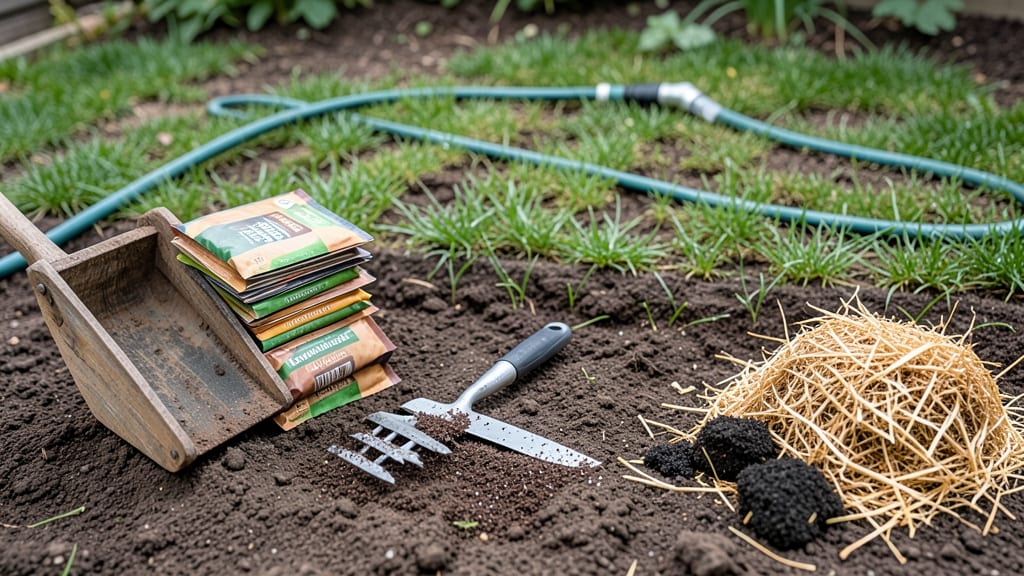
Planting grass seed in Nebraska’s spring requires precise timing so your lawn thrives—not just survives—before summer’s heat sets in.
Timing your grass seed planting in Nebraska’s unpredictable spring can mean the difference between lush green lawns and patchy failures—soil temperatures hold the key to success. Miss the window, and you risk drought stress or frost damage, turning your effort into wasted seed.
Most Nebraska regions hit the ideal 50°F–60°F soil temperature between early April and mid-May, but high-altitude areas like the Panhandle may need to wait until late May.
Below, I’ll break down the exact deadlines by zone, how to test your soil like a pro, and the fastest grass varieties for Nebraska’s climate.
You’ll also discover how to adjust for late frosts, drought risks, and moisture management—plus local Nebraska Extension resources to back up every step. No more guessing games about when to plant.
Nebraska’s ideal soil temperature deadlines for spring grass seed planting
Timing your grass seed planting in Nebraska hinges on one critical factor: soil temperature. Cool-season grasses like Kentucky bluegrass and tall fescue need soil between 50°F and 60°F to germinate properly.
Plant too early, and frost will kill tender seedlings; too late, and summer drought stress sets in before roots establish. Nebraska’s diverse climate—from Omaha’s urban heat islands to rural areas with cooler nights—means deadlines shift by region.
Most Nebraska gardeners hit the 50°F–60°F window between early April and mid-May, but high-altitude zones like the Panhandle may need to wait until late May. For example, Omaha’s average soil temperature reaches 55°F by mid-April, while Lincoln typically hits the same mark by late March.
Rural areas in the western Sandhills often lag 1–2 weeks behind due to cooler nights and slower soil warming.
To test your soil temperature accurately, use a soil thermometer (available for $10–$15). Insert it 4–6 inches deep in bare soil, away from direct sunlight, and check readings at 10 AM for consistency.
If your soil is below 50°F, wait at least 1 week—rushing leads to poor germination rates. Pro tip: Morning readings are most reliable because afternoon sun can artificially inflate temperatures.
If you’re planting Kentucky bluegrass, aim for 50°F–55°F soil—it germinates faster but is frost-sensitive. Tall fescue, on the other hand, tolerates slightly cooler soils (45°F–50°F) and is better for late-April plantings in cooler zones.
For fine fescue, which thrives in shade, wait until soil hits 55°F to avoid fungal issues from prolonged moisture.
Regional variations matter: Omaha’s urban areas can see soil temperatures spike to 60°F by early April due to pavement heat retention, while Lincoln’s rural outskirts may still be hovering at 45°F. To hedge your bets, I recommend planting 2 weeks before your region’s average last frost date (check the Nebraska State Climate Office for local data).
For example, if your last frost is April 15, plant by April 1 to ensure seedlings aren’t caught off guard.
Don’t rely solely on calendar dates—soil temperature trumps air temperature. A 50°F air temp might feel spring-like, but if your soil is still 40°F, seeds won’t sprout.
Use a soil thermometer for 3–5 days to confirm consistency. If temperatures fluctuate wildly (e.g., 40°F mornings, 60°F afternoons), delay planting until readings stabilize above 50°F for 3+ days.
For fastest establishment, pair your planting with light mulch (straw or peat moss) to retain moisture and warmth. Avoid heavy mulch layers, which can suffocate seeds. Water lightly but daily (about ¼ inch per day) until germination (typically 7–21 days, depending on grass type).
Overwatering washes seeds away, while underwatering causes crusting—neither helps your lawn’s start.
Pro tip: If your soil is too cold but you’re eager to plant, consider a mini greenhouse or row covers to raise soil temps by 5–10°F. These tools create a microclimate, accelerating germination by 1–2 weeks without risking frost damage. Just remove covers once seedlings emerge to prevent overheating.
How to adjust your planting schedule for Nebraska’s unpredictable spring weather
Nebraska’s spring weather can swing from freezing nights to 90-degree heat in weeks, making it tricky to time grass seed planting. Late frosts often hit after April 15, while drought conditions can dry out soil by May.
The key is flexibility—adjusting your schedule based on soil temperature, moisture levels, and weather forecasts.
If your soil warms to 50°F–60°F but a frost warning looms, delay planting by 2–3 weeks. Use a soil thermometer (available at garden centers) to check daily, targeting the 2-inch depth for accurate readings. This small tool saves you from wasted seed and rework.
⚠️ callout warning ⚠️
⚠️ Late Frost Risk: Don’t Plant Too Early!
Nebraska’s average last frost date varies by region—Omaha typically sees frost until April 25, while western Nebraska can experience frost until May 10. Planting grass seed too soon risks frost damage or seed rot. Wait until soil stays above 50°F for 5+ days before seeding.
🌱 Pro Tip: Use frost cloth if you must plant early—cover seedlings at night to protect tender sprouts.
For drought-prone areas like the western half of the state, prioritize moisture retention by amending soil with compost or peat moss before planting. Water deeply 2–3 times per week for the first 3 weeks to encourage root growth.
A mulch layer (straw or shredded leaves) helps lock in moisture and regulates soil temperature.
If spring delays hit and you miss the ideal window, Nebraska’s fall planting window (August–September) offers a backup. Cool-season grasses like Kentucky bluegrass and tall fescue establish just as well in fall, avoiding summer’s heat stress.
Plan ahead by testing soil in early August to confirm it’s 60°F–70°F at planting time.
Use the Nebraska State Climate Office or UNL Extension’s Plant and Soil Science resources to track local conditions. Their weekly frost forecasts and drought alerts help you adjust planting dates without guesswork. Bookmark their weather maps for real-time updates.
Finally, choose fast-establishing varieties like ‘Titan’ tall fescue or ‘Midnight’ Kentucky bluegrass—they germinate in 7–14 days and tolerate Nebraska’s variable spring weather better than slower varieties. With these adjustments, your lawn will thrive even when Mother Nature throws curveballs.