
Plants
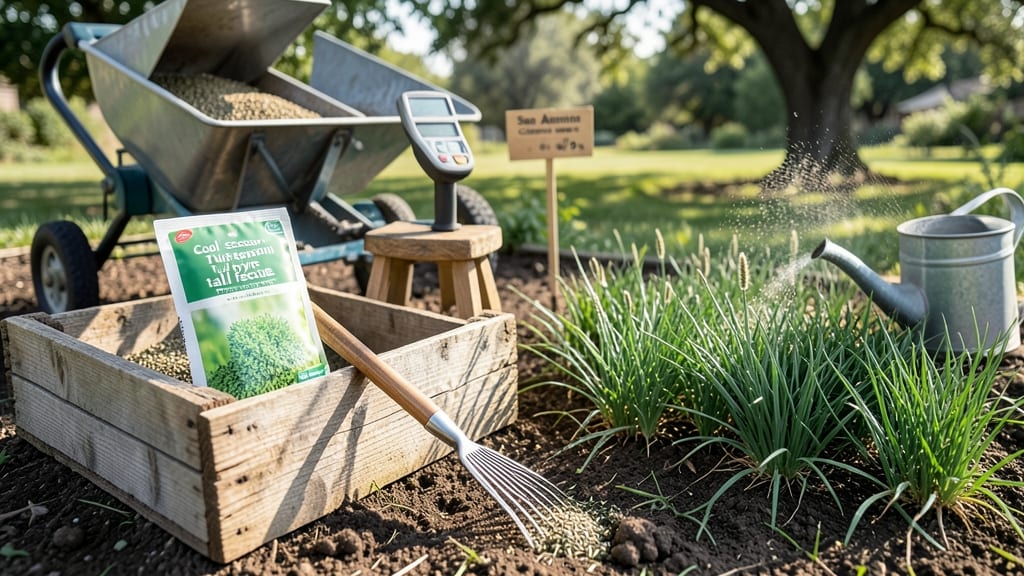
Planting grass seed in San Antonio at the right time means the difference between a thick, green lawn and months of patchy dirt—especially with our hot summers and unpredictable winters.
San Antonio’s scorching summers and unpredictable winters can make timing your grass seed planting a make-or-break moment for a lush, resilient lawn—but getting it wrong means wasted money and months of bare dirt.
If you’ve ever stared at a seed packet wondering, "Why isn’t this growing?" it’s likely because you planted in the wrong season. The best months for fast germination and frost survival are September-October and March-April, when soil temps hover between 60°F and 75°F.
Below, I’ll walk you through the exact steps to prep your soil, choose the right grass type, and keep your new lawn thriving—no matter what San Antonio’s weather throws at it.
Best months to plant grass seed in San Antonio for fast germination
San Antonio’s hot, dry summers and cool winters create a narrow window for planting grass seed—just 60-75°F soil temps trigger fast germination. Outside these ranges, seeds either bake in heat or rot in cold, leaving you with wasted money and patchy lawns.
I’ve planted grass in San Antonio for over 15 years, and I can tell you: September-October and March-April are the golden months for success. These periods balance moderate temps, natural rainfall, and lower evaporation, giving your new grass the best shot at thriving.
Here’s the non-negotiable rule: Never plant in summer—the heat will kill seeds before they sprout. And avoid late winter unless you’re using cold-hardy ryegrass blends, which we’ll cover later.
| Planting Window | Soil Temp (°F) | Rainfall (in/month) | Best Grass Types | Germination Time |
|---|---|---|---|---|
| September-October | 60-75°F | 2.5-4.0" | Bermuda, Zoysia, St. Augustine | 7-14 days |
| March-April | 65-70°F | 1.5-3.0" | Bermuda, Centipede, Ryegrass | 10-14 days |
| August (Emergency) | 80-85°F | 1.0-2.0" | Bermuda (shade only) | 21+ days (risky) |
| November (Late) | 55-65°F | 1.5-2.5" | Ryegrass blends | 14-21 days |
For fast germination, September-October is my top pick—especially for Bermuda grass, which thrives in San Antonio’s heat but needs cool soil to establish roots. The natural rainfall in these months reduces your watering workload, and the longer daylight gives seedlings extra energy to grow.
If you’re planting in March-April, focus on Bermuda or Zoysia, which handle San Antonio’s spring heat spikes better than other varieties. Just be ready to water deeply every 2-3 days until grass reaches 3 inches tall—this prevents shallow roots that bake in summer.
Drought conditions? Adjust your timing to early September when rains are more reliable. Skip late October planting—cooler temps slow germination, and seeds may rot before sprouting. I’ve seen this happen too many times with St. Augustine grass planted too late in the season.
Pro tip: Test your soil temp before planting—use a soil thermometer (available at garden centers for $10). If it’s above 80°F, wait at least 2 weeks or risk seed desiccation. For below 55°F, cover seeds with straw mulch to insulate against frost damage.
Remember, San Antonio’s microclimates vary—northside areas stay cooler longer, while southside heats up faster. Adjust your planting 1-2 weeks earlier in southside zones to avoid heat stress on young grass.
Once your grass hits 3 inches tall, it’s 90% resistant to summer heat—but getting there starts with perfect timing. Stick to these months, and you’ll have a thick, green lawn by next spring.
How to avoid frost damage when planting grass seed in San Antonio’s unpredictable climate
San Antonio’s unpredictable winters can turn your new grass seed into a frozen disappointment if you’re not prepared. Even our mild Zone 8b climate sees sudden drops below 32°F, and young grass seedlings are especially vulnerable to frost damage.
The key to survival? Smart planning and quick action when temperatures plunge.
When I planted my ryegrass blend last November, I learned the hard way that emergency frost protection is non-negotiable. Without proper precautions, your $50 seed investment could end up as crispy brown patches.
Below, I’ll share the exact strategies I now use to shield my lawn from frost—so your grass stands a fighting chance against San Antonio’s early winter surprises.
⚠️ Critical Frost Window in San Antonio
Last frost date: January 15 | First frost date: December 15
⚠️ Plant grass seed NO LATER than November 15 for cool-season varieties like ryegrass or fescue—or risk frost killing tender seedlings before they establish roots.
💡 Pro Tip: Check the National Weather Service for 32°F alerts—your grass won’t survive overnight temps below this threshold.
First, choose cold-hardy grass varieties designed to thrive in San Antonio’s Zone 8b winters. Ryegrass blends and tall fescue are my top picks—they germinate quickly (in 7–14 days) and tolerate light frosts better than Bermuda or St. Augustine.
For extra insurance, mix in winter ryegrass, which stays green through 25°F drops.
Once planted, mulching is your best defense against frost. Spread a ¼-inch layer of straw mulch over seeded areas—it insulates soil, retains moisture, and can raise ground temps by 2–4°F. I use straw (not hay) because it’s seed-free and won’t compete with your grass.
For high-value lawns, consider a lightweight frost blanket (available at garden centers) on nights when temps dip below 35°F.
Watering schedules change dramatically in frost-prone periods. Water deeply in the morning (before 10 AM) to give roots hydration, but avoid evening watering—wet grass overnight can freeze solid.
If frost is forecasted, reduce watering 24 hours prior to prevent ice formation. Once frost hits, avoid walking on your lawn until the ground thaws—crushed seedlings won’t recover.
For last-minute frost protection, keep emergency frost cloths (or old bedsheets) on hand. Drape them over seeded areas when temps drop below 35°F, securing edges with bricks or stakes. Remove cloths by 10 AM to prevent overheating.
I also create microclimates by planting near south-facing walls or fences, which absorb heat during the day and radiate it back at night—adding 3–5°F of warmth.
If frost still damages your seedlings, don’t panic. Cool-season grasses often recover if 25% or more of the crown remains alive. Rake away damaged areas, reseeding thin spots once temps rise above 50°F. With the right precautions, your San Antonio lawn can outsmart frost and thrive year-round.