
Plants
Planting grass seed in Rhode Island at the right time means the difference between a lush, weed-resistant lawn and months of patchy regrowth.
Rhode Island’s coastal climate and varied microclimates can make timing your grass seed planting tricky—plant too early and risk frost damage, too late and face summer drought stress. But mastering the right window ensures a fast, healthy establishment within weeks.
For Zone 6b, the best months are early spring (March–April) and early fall (September–October), when soil temperatures hover between 50°F and 65°F. Coastal areas may need to adjust by a week or two, while inland spots can push slightly later.
Below, I’ll break down the exact planting windows by microclimate, soil prep steps for Rhode Island’s unpredictable weather, and the 5 critical mistakes to avoid—so you can skip the guesswork and get a lawn that’s the envy of the neighborhood.
Optimal planting windows in Rhode Island by zone: coastal vs. inland timelines
Rhode Island’s microclimates create distinct planting windows—coastal areas experience milder winters and salt spray, while inland zones face sharper temperature swings. Understanding these differences helps you time grass seed for maximum germination and weed suppression.
For Zone 6b, the sweet spot is March–April and September–October, but coastal regions can shift by 1–2 weeks.
Coastal areas like Newport and Narragansett benefit from warmer soil temperatures earlier in spring due to ocean influence, while inland spots like Providence may need to wait until after the last frost (mid-April). Rainfall patterns also vary—coastal zones get more consistent moisture, reducing irrigation needs during establishment.
Below is a detailed comparison of planting windows by zone, including soil temperature thresholds, frost risk, and rainfall considerations to help you choose the perfect time for your lawn.
For coastal zones, aim to plant 2–3 weeks earlier than inland areas to capitalize on warmer soil. The ocean’s moderating effect extends planting windows, but salt-tolerant grass blends (like tall fescue) are essential to prevent browning from salt spray.
Inland zones should wait until soil temperatures consistently stay above 50°F to avoid frost damage.
Rainfall also plays a critical role. Coastal areas receive 30–40% more annual precipitation, reducing irrigation needs, while inland spots may require supplemental watering during dry spells. Always check a 7-day forecast before planting to avoid washing out seeds with heavy rain.
If you’re planting in early spring, use a seed blanket or straw mulch to protect seeds from coastal winds. For fall planting, prioritize September to allow roots to establish before the first frost (mid-October).
Avoid planting in October unless you’re in a coastal zone with delayed frost.
Pro tip: Use a soil thermometer to confirm temperatures—ideal germination occurs between 50°F and 65°F. If soil is too cold, delay planting until conditions improve. For fastest results, pair your planting with a starter fertilizer to boost early growth.
Timing isn’t just about months—it’s about microclimate nuances. By aligning your planting with local frost dates, soil temps, and rainfall patterns, you’ll give your grass seed the best chance to outcompete weeds and establish a thick, resilient lawn.
How to prepare your soil and seed for Rhode Island’s unpredictable spring weather
Rhode Island’s spring weather can swing from chilly coastal winds to sudden heatwaves, making soil and seed prep critical for success. Coastal areas like Narragansett Bay face salt spray damage, while inland spots deal with drought stress—both can derail germination if not addressed.
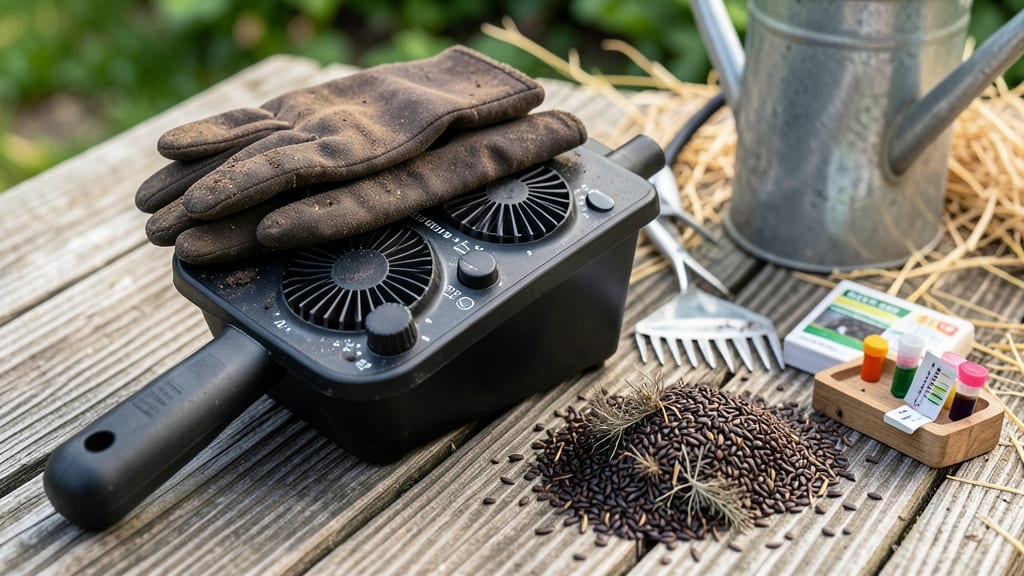
Start by testing your soil’s pH and nutrient levels using a home kit or lab service. Ideal grass pH is 6.0–7.0, but Rhode Island’s sandy soils often skew acidic. Amend with pelletized lime (for pH under 6.0) or composted manure (for organic matter) before planting.
For seeds, choose cool-season blends like tall fescue or Kentucky bluegrass for spring planting—they thrive in 50°F–65°F soil. Coastal areas benefit from salt-tolerant varieties, while inland spots can handle drought-resistant mixes.
⚠️ WARNING: Coastal Wind & Salt Risks ⚠️
If planting near shorelines, flush soil with fresh water 24 hours before seeding to dilute salt buildup. Use windbreaks (burlap or straw bales) along exposed edges to shield tender sprouts. Avoid planting until at least 30 days after a major storm—salt residue lingers longer than you think.
Pro Tip: Test soil salinity with a conductivity meter (ideal: <1 dS/m). If levels exceed <2 dS/m, rinse soil repeatedly before planting.
Loosen soil to 4–6 inches deep with a garden fork to improve drainage, especially in compacted urban areas. Mix in 2–3 inches of compost to retain moisture during Rhode Island’s unpredictable spring showers. Level the surface with a rake, removing rocks and debris that could smother seeds.
After sowing, apply a thin layer of straw mulch (not hay—it can introduce weeds) to protect seeds from eroding winds and retain moisture. Water gently with a fine mist nozzle twice daily until germination (usually 7–14 days for cool-season grasses), then taper to 1 inch per week.
Monitor for sudden temperature drops—coastal areas can see 10°F swings overnight. Use a lightweight row cover if nights dip below 45°F after planting. Once grass reaches 3 inches tall, gradually acclimate it to full sun to avoid heat shock.