
Plants
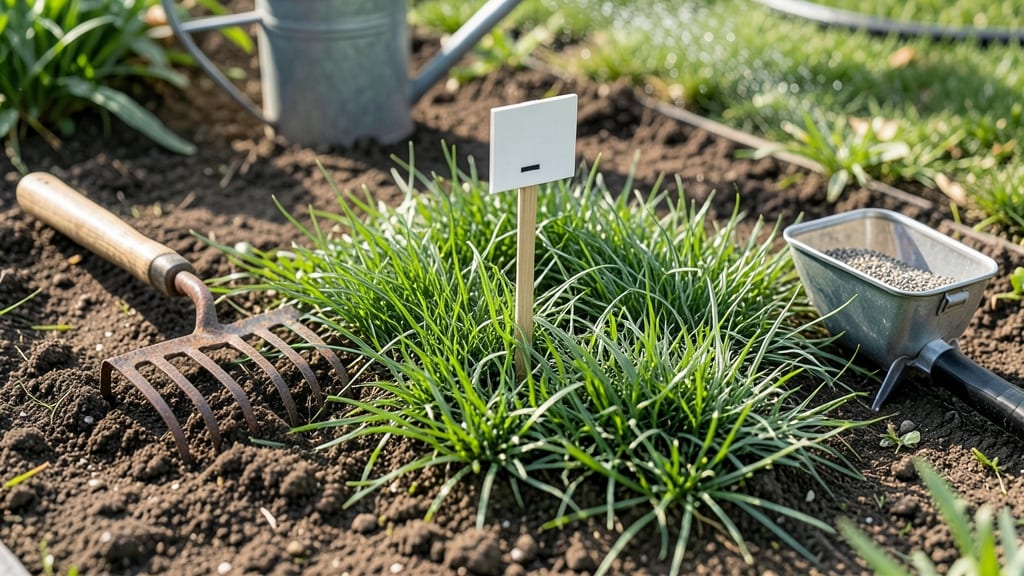
Planting grass seed in North Carolina at the right time means the difference between a thick, weed-resistant lawn and a patchy, frustrating mess.
Struggling to get a lush lawn in North Carolina? Timing is everything—plant too early or late, and you’ll battle poor germination, weeds, and wasted money. But master these microclimate deadlines by zone, and you’ll unlock fast, healthy growth that outcompetes weeds naturally.
North Carolina’s 6a-8b zones have wildly different frost dates and soil temperatures, so a one-size-fits-all approach won’t cut it. Coastal areas like Wilmington can plant as early as February, while the mountains near Asheville may need to wait until late April.
Below, I break down the exact planting windows for each zone, soil prep secrets, and how to time irrigation for fast germination—plus the one mistake that turns seed into a weed buffet.
North Carolina grass planting zones: exact months by microclimate for optimal germination
North Carolina’s diverse climate—from the humid coastal plains to the cooler mountain regions—means your grass planting timeline can vary by up to 6 weeks. Planting at the wrong time leads to poor germination, weed dominance, and wasted seed.
But when you align your schedule with soil temperatures, rainfall patterns, and frost risks, you’ll see fast, dense growth that naturally crowds out weeds. Let’s break down the exact windows for each microclimate.
Most gardeners focus on spring planting, but fall is often better—especially in NC’s hot summers. The key is planting when soil temps are between 55°F and 65°F, which gives seeds ideal conditions to sprout before weeds take over.
Coastal areas like Wilmington have a longer growing season, while the mountains (Asheville, Boone) face earlier frosts. We’ll cover all USDA zones 6a-8b with precise month-by-month guidelines.
Pro Tip: Use a soil thermometer to confirm temps before planting. If it’s below 50°F, wait—cold soil slows germination and invites fungal diseases. In zones 7b-8b, you can sometimes plant as early as February, but in zone 6a, wait until mid-April to avoid frost damage.
| NC Microclimate | USDA Zone | Best Planting Window | Soil Temp Threshold | Rainfall Pattern | Weed Risk |
|---|---|---|---|---|---|
| Coastal Plains (Wilmington, Fayetteville) | 8a-8b | Feb 15 - Mar 15 (spring) / Sep 15 - Oct 30 (fall) | 55°F - 65°F | High humidity, frequent rain | Moderate (crabgrass peaks in May) |
| Piedmont (Raleigh, Charlotte) | 7a-7b | Mar 1 - Apr 15 (spring) / Sep 1 - Oct 15 (fall) | 55°F - 65°F | Moderate rain, dry summers | High (weeds thrive in dry heat) |
| Mountains (Asheville, Boone) | 6a-6b | Apr 15 - May 1 (spring) / Sep 15 - Oct 10 (fall) | 50°F - 60°F (cooler soil) | Lower humidity, unpredictable rain | Low (shorter growing season) |
| Sandhills (Pinehurst) | 7b-8a | Feb 20 - Mar 30 (spring) / Sep 10 - Oct 20 (fall) | 55°F - 65°F | Low rain, sandy soil | Very High (sand heats fast) |
Spring planting in NC gives you a 6-8 week head start before summer weeds like crabgrass and nutsedge take over. But fall planting—especially in September-October—often yields 20% faster germination because cooler temps reduce stress.
In the Piedmont, aim for early September to avoid early frosts, while mountain zones should plant by mid-October to ensure roots establish before winter.
One common mistake? Planting in late spring (May-June). By then, soil temps often exceed 75°F, which causes seeds to dry out before sprouting. Instead, use shade cloth or plant in partial shade if you must sow later.
Another trick: Apply a pre-emergent herbicide 2 weeks before planting to suppress weeds without harming grass seeds.
For coastal NC (zone 8a-8b), you can push the
How to choose the right grass seed type for NC’s climate and soil conditions
North Carolina’s humid subtropical and mountainous climates demand grass varieties that thrive in extreme heat, heavy rainfall, and acidic soils. Choosing the wrong seed can mean thin coverage or a lawn that browns by summer.
The key is matching your local microclimate—coastal humidity, piedmont heat, or mountain shade—to the right grass type.
For example, tall fescue dominates in the piedmont’s 6a-7a zones, while Bermuda grass rules the coastal plains’ 8a-8b heat. Even zoysia and centipede have niche advantages: zoysia’s drought tolerance and centipede’s shade love. Let’s break down the best matches for NC’s soil and weather challenges.
Grass Seed Varieties for NC: Pros & Cons
- ✅ Deep roots (drought-resistant)
- ✅ Shade-tolerant (30-50% shade)
- ✅ Weed-resistant when dense
- ✅ Heat-loving (thrives in 90°F+)
- ✅ Fast recovery from wear
- ❌ Goes dormant in winter
- ✅ Drought-proof once established
- ✅ Low-maintenance (mows less often)
- ❌ Slow to germinate (4-6 weeks)
- ✅ Shade-friendly (best for 30%+ shade)
- ✅ Low-fertility needs
- ❌ Vulnerable to chinch bugs
Pro Tip: Mix tall fescue with fine fescue for coastal shade areas to improve weed competition and disease resistance.
NC’s acidic soils (pH 4.5-6.0) and high humidity create perfect conditions for fungal diseases like brown patch. That’s why seed coatings matter—look for fungicide-treated seeds (like Pennington Smart Seed) to boost survival rates by 30-40%. These coatings also help seeds outcompete weeds by germinating faster.
Timing your pre-emergent herbicide is just as critical. Apply it 2-4 weeks before seeding in spring or 6-8 weeks after fall planting to avoid killing your new grass. For example, if you plant tall fescue in early April, wait until mid-May to apply pre-emergent.
Bermuda, however, needs pre-emergent 4-6 weeks before its germination window (late April in coastal NC).
Here’s a quick weed-competition timeline for NC’s top grasses: Tall fescue: Weeds spike at 3-5 weeks post-planting (apply post-emergent then). Bermuda: Weeds peak at 2-3 weeks (pre-emergent is non-negotiable). Zoysia: Weeds dominate at 6-8 weeks (mulch heavily to suppress). Centipede: Weeds surge at 4-6 weeks (hand-pull early to avoid soil compaction).
Protect your investment by testing your soil’s organic matter (aim for 3-5%) and adjusting with compost. NC’s clay-heavy soils in the piedmont? Mix in sand or peat moss to improve drainage.
For sandy coastal soils, add organic compost to retain moisture. The right prep turns NC’s tough conditions into an advantage for fast, dense grass growth that crowds out weeds naturally. 🌱