
Plants
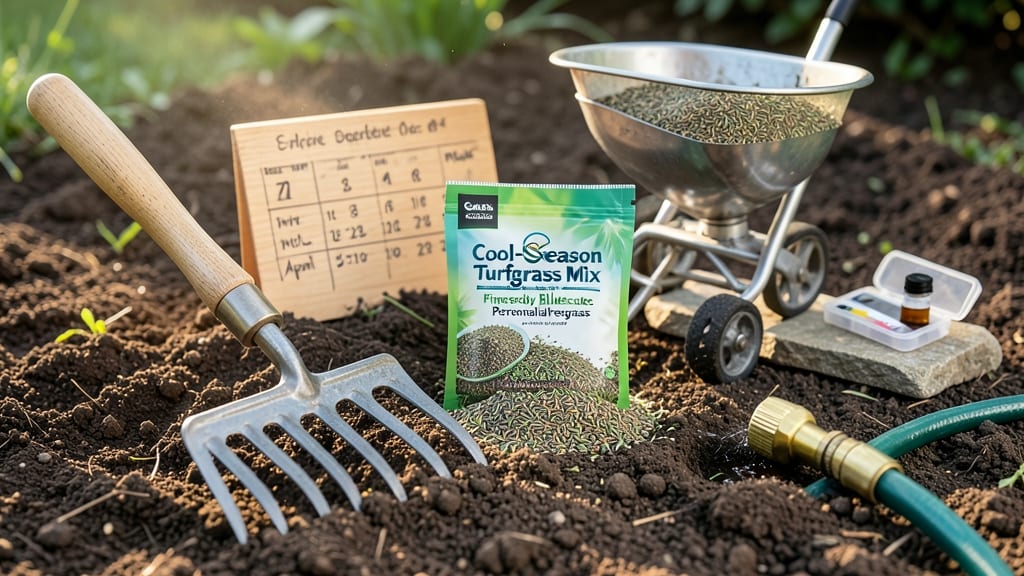
To plant grass seed in New York at the right time means avoiding frost damage and ensuring fast, even germination for a lush lawn.
Timing is everything—get it wrong, and you’re staring at bare patches or seed that never breaks soil. In zones 5a-7b, the window is narrow: too early, and frost kills tender sprouts; too late, and summer heat stresses seedlings.
This guide breaks down the optimal months for your region—early spring (March–April) or early fall (September–October)—plus soil prep tricks to give your grass seed the best shot at success.
Skip the guesswork: learn how to read frost dates, adjust for microclimates, and water like a pro for a lawn that fills in fast and stays thick.
New York’s frost-free zones & best planting months for grass seed
New York’s USDA hardiness zones 4-7 create a patchwork of microclimates where grass seed thrives at different times. In Zone 5a (Upstate), frost lingers until mid-May, while Zone 7b (Long Island) enjoys frost-free conditions until mid-November.
These differences mean your planting window shifts dramatically—from March-April in the south to May-June in the north.
But timing isn’t just about frost—it’s about soil temperature. Grass seed needs 50-65°F soil to germinate. In Zone 6 (Central NY), this happens by late April, while Zone 4 (Northern NY) waits until early June.
Missing this window means slow, uneven growth or seed that rots in cold, wet soil.
Here’s the golden rule: Plant 4-6 weeks before your first frost (fall) or after your last frost (spring). For most of New York, that’s September-October or March-April. But check your local frost dates—they can vary by 1-2 weeks even within the same county!
Fall planting (September-October) is often better than spring because cooler temps reduce weed competition, and established roots handle winter better. But in Zone 4, fall planting must finish 6 weeks before frost—otherwise, seedlings won’t survive.
To find your exact frost dates, check the National Oceanic and Atmospheric Administration (NOAA) or your local Cooperative Extension office. Even a 10°F difference in soil temperature can mean the difference between fast germination and seed dormancy.
Pro tip: Use a soil thermometer—it’s the only way to know for sure when conditions are perfect.
Microclimates matter too. A south-facing slope in Zone 5 might warm up 2 weeks earlier than a north-facing yard. If you’re in doubt, wait until May—the risk of frost drops significantly, and you’ll avoid the drought stress of summer planting.
Once you’ve nailed the timing, prep your soil with a light raking and compost mix. Grass seed needs direct contact with soil to germinate, so avoid heavy tilling. Then, water deeply twice daily for the first 2 weeks—keep that seedbed consistently moist like a damp sponge.
Remember: Fast germination in New York means planting when soil is warm, frost isn’t a threat, and weeds are dormant. Follow these zone guidelines, and you’ll see green shoots in 7-14 days—not the brown patches of failed attempts.
How soil temperature & weather conditions affect grass seed germination in NY
New York’s grass seed germination depends heavily on soil temperature and weather patterns. Most grass varieties thrive when soil temps hover between 50°F and 65°F—too cold, and seeds stay dormant; too hot, and they dry out before sprouting.
In my experience, cool-season grasses like Kentucky bluegrass and tall fescue (common in NY) germinate best in these conditions, which align with spring and fall planting windows.
Weather plays a critical role too. Consistent moisture without waterlogging is non-negotiable, while light frosts can actually help harden seedlings. However, heavy rain or prolonged dry spells will derail even the best-laid plans.
To maximize success, I always check the 7-day forecast before seeding—aiming for 5-7 days of stable, mild weather without extreme highs or lows.
- 🌡️ Soil Temp Check: Use a soil thermometer—ideal range is 50-65°F at 2" depth. If below 50°F, wait; above 70°F, seeds may dry out.
- 🌱 Germination Window: Most NY grasses sprout in 7-21 days under perfect conditions. Track progress daily to adjust watering.
- ☀️ Weather Watch: Avoid planting during heatwaves (>85°F) or prolonged rain (>1 inch/week). Clear skies and gentle breezes are ideal.
- 💧 Watering Rule: Keep soil moist but not soggy—water lightly 2x daily (morning/evening) for the first 2 weeks, then taper to 1 inch/week.
- 🌿 Mulch Tip: Apply a thin straw layer (¼ inch) after seeding to retain moisture and shield seeds from wind. Remove once grass reaches 3 inches tall.
Preparing your soil is just as crucial as timing. Start by testing soil pH—most grasses prefer 6.0-7.0. If your soil is compacted, aerate 2-3 weeks before planting to improve seed-to-soil contact.
I also recommend adding compost (¼ inch layer) to boost nutrients, especially if your lawn is new or thin. Rake lightly after spreading seed to ensure even coverage and press seeds 1/8 inch into soil for stability.
One of my biggest lessons? Don’t rush—even if your neighbor’s lawn looks perfect. Wait for stable soil temps and consistent forecasts before seeding. In Upstate NY (zones 5-6), I often plant in late April, while downstate (zone 7) can start as early as mid-March.
Always plant 4-6 weeks before the first frost to give seedlings time to root.
Post-planting, monitor daily for signs of germination (tiny shoots in 7-14 days). If you see uneven growth, adjust watering or check for soil crusting (a common issue in clay-heavy NY soils).
A light mulch or plastic sheeting (removed after sprouting) can help retain moisture in windy areas like Long Island or the Adirondacks.
Remember: patience is key. Grass seed won’t establish overnight, but with the right soil temps, weather timing, and care routine, you’ll see lush, even growth in just a few weeks.
For extra peace of mind, I always keep a seedling heat mat handy for early spring plantings—it’s a game-changer for cool, slow-starting zones like the Catskills.