
Plants
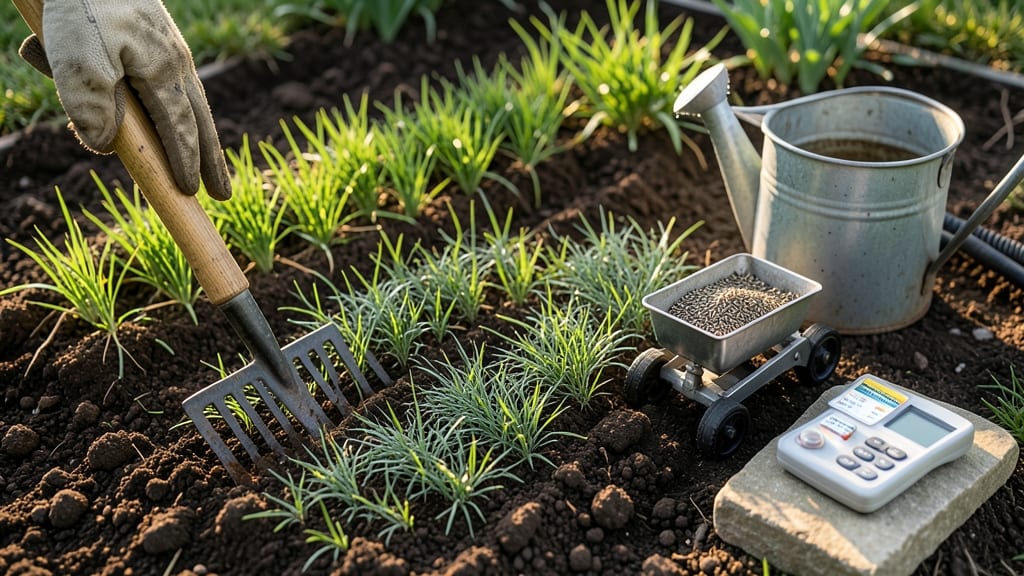
Plant grass seed in Minnesota spring when soil temperatures hit 55–65°F—typically mid-April to early May for most of the state, but earlier in southern zones like Rochester.
Timing your grass seed planting in Minnesota’s unpredictable spring can mean the difference between a lush lawn and wasted effort—knowing the exact frost-free window saves you money and frustration.
Too early, and frost will kill tender seedlings; too late, and summer heat stresses new roots. The key is checking soil warmth (not just air temperature) and waiting for consistent days above 40°F.
Below, I’ll walk you through the step-by-step soil tests, the best grass varieties for MN’s short season, and how to adjust for your specific region—so you can plant with confidence and skip the guesswork.
Minnesota spring frost-free timeline: when soil warms enough for grass seed
Minnesota’s spring weather is famously fickle, with late frosts and chilly soil that can derail your grass seed plans. The key to success? Planting when soil temperatures consistently reach 55-65°F and frost-free nights become reliable.
This timeline breaks down the optimal planting windows for Minnesota’s USDA zones 3b-5a, including adjustments for 2024’s early forecast trends.
Most Minnesota regions experience their last spring frost between late April and early May, but soil warmth lags behind air temperatures. Grass seed needs consistent warmth to germinate—planting too early risks frost damage, while waiting too long may lead to weed competition.
Let’s dive into the week-by-week breakdown by region to help you pinpoint the perfect moment.
🌱 PRO TIP: Use a soil thermometer (available for ~$10) to verify warmth before planting—this is far more accurate than guessing by air temperature.
For the Twin Cities area (USDA 4b-5a), the best window is typically mid-April to early May, when soil temperatures climb above 55°F. The 2024 forecast suggests warmer-than-average March conditions, so you might safely plant 1-2 weeks earlier than historical averages.
Always verify with a soil thermometer—air temperatures can be misleading.
Northern Minnesota (Duluth, Fargo) has a shorter growing season and colder soils, making late April to mid-May the safest bet. In these zones, wait until nighttime temperatures stay above 50°F—frost can still hit after April 30.
Use row covers if planting early to protect young seedlings.
⚠️ WARNING: Planting too early risks frost damage to tender seedlings, while waiting too long lets weeds and crabgrass take over. Aim for 4-6 weeks before your area’s last frost date for ideal germination.
In southern Minnesota (Rochester), where springs arrive 1-2 weeks earlier than the north, early to mid-April is prime time. However, frost warnings can still appear in early May, so keep an eye on the MN Department of Agriculture’s frost alerts.
If you’re in doubt, plant cool-season grasses like Fine Fescue, which tolerate cooler soils better than Kentucky Bluegrass.
After planting, consistent moisture is critical—water deeply 2-3 times weekly until seedlings reach 3 inches tall. Avoid overwatering, which can suffocate roots. Once established, reduce to 1 inch per week (including rainfall) to encourage deep root growth.
For 2024 adjustments, the National Weather Service predicts above-average temperatures in March-April, meaning soil warms faster than usual. This could shift planting windows 1-2 weeks earlier across most of Minnesota. However, always confirm with soil tests—early warmth doesn’t guarantee frost-free nights.
Pro tip: Prep your soil in early spring (February-March) by aerating and adding compost. This gives roots a head start before planting season. And if you miss spring, early fall (September) is the next best window for a thick, resilient lawn.
How to test soil readiness before planting grass seed in MN
Before you rush to spread grass seed, testing your soil’s readiness is the secret weapon against wasted effort. Minnesota’s unpredictable spring means air temperatures can be misleading—what matters is whether your soil is warm and frost-free.
I’ll walk you through the three critical tests: temperature, moisture, and pH, plus how to avoid the costly mistakes of planting too early or too late.
Start with a soil temperature check, the most critical factor for grass seed germination. Most grass varieties need soil temps between 55-65°F to sprout reliably.
A digital soil thermometer (like the Thermopro TP12) gives precise readings, but if you’re on a budget, the finger test works too: push your finger 3 inches deep—if the soil feels warm but not hot, it’s likely in the right range.
Next, test moisture levels—dry soil will kill seedlings, but soggy soil suffocates roots. Grab a handful and squeeze: if it holds shape but crumbles when released, it’s ideal.
If it falls apart, water lightly before planting. For clay-heavy soils common in MN, add compost or peat moss to improve drainage.
⚠️ WARNING: Planting when soil is too cold (below 50°F) or too wet (after heavy rain) leads to poor germination and disease risks. Even if the forecast says frost is over, check soil temps—late April frosts still happen in northern MN. Wait until you’ve seen 5 consecutive frost-free nights above 40°F.
Don’t overlook pH balance, which affects nutrient uptake. Grass thrives in slightly acidic to neutral soil (pH 6.0-7.0). Pick up a DIY soil test kit (like the Luster Leaf 1605) from your local garden center for ~$10.
Follow the instructions: mix soil with distilled water, add the test solution, and compare the color to the chart. If your pH is below 6.0, add lime; if above 7.0, use sulfur or peat moss.
For fast results, send a sample to the University of Minnesota Extension Soil Test Lab—they’ll analyze pH, nutrients, and organic matter for ~$15. Their reports include customized fertilizer recommendations tailored to your MN region.
Pro tip: Test in early spring (March-April) so you can amend soil before planting season.
Once your soil passes all three tests, plant within 1-2 days—delaying lets weeds take over. Use a starter fertilizer (like 10-20-10 NPK) to give seedlings a nutrient boost, and cover seeds with 1/4 inch of soil for even moisture.
Water gently but deeply to settle seeds into the soil.
After planting, keep soil consistently moist (not soggy) for the first 3-4 weeks. Use a lightweight mulch like straw to retain moisture and block weeds. By mid-summer, your lawn will be thick and resilient—no more guessing games!