
Lawn
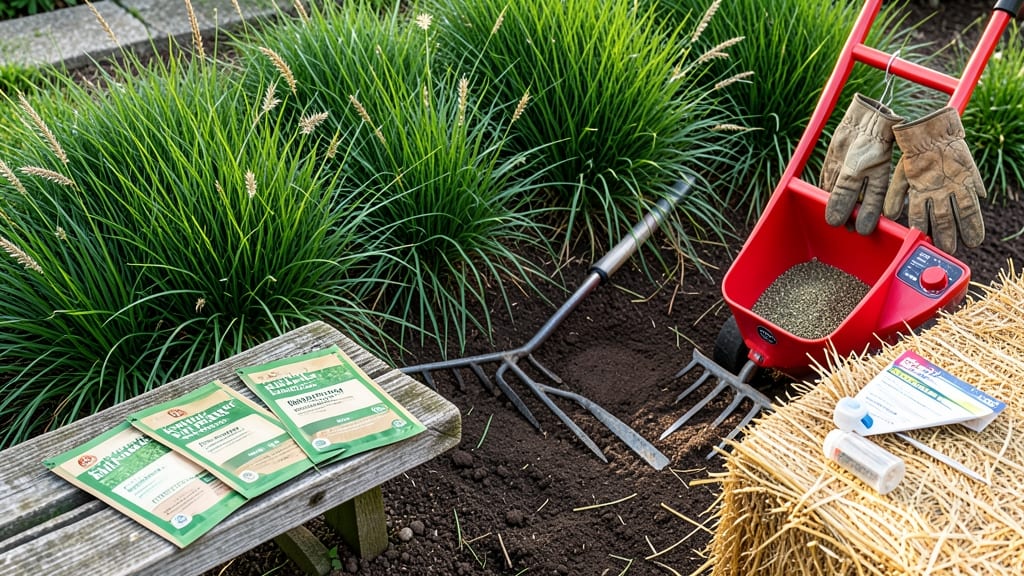
Planting grass seed in Kentucky at the right time means the difference between a lush, green lawn and months of patchy, struggling growth.
If you’ve ever poured money into seed only to watch it wash away in spring rains or bake under summer heat, you know how critical timing is. Kentucky’s 6a-7b climate gives you two ideal windows: early spring or early fall, when temperatures and moisture align for fast root growth.
But here’s the catch: Bluegrass regions and the Appalachian foothills don’t always play by the same rules. A late frost in March can turn your March planting into a disaster, while a dry September might stall fall seeds.
I’ll break down the exact months to aim for, how to read your local frost dates, and the soil prep secrets that keep Kentucky lawns thriving.
By the end, you’ll know not just when to plant, but how to set your grass seed up for fast, deep roots—so your lawn stays thick all season long.
Kentucky’s ideal grass seed planting months by season
Kentucky’s 6a-7b climate creates two perfect windows for planting grass seed: early spring and early fall. These seasons offer cooler temperatures and consistent moisture, which help seeds germinate quickly and establish strong roots before summer heat or winter dormancy sets in.
But timing isn’t one-size-fits-all. The Bluegrass region (Louisville, Lexington) has different frost patterns than the Cumberland Plateau (Eastern KY), where nights stay cooler longer. I’ll show you how to adjust your planting schedule based on your exact location and microclimate.
For spring planting, aim for late March to early April—after the average last frost date (around March 15 in most areas). Fall planting works best in September to early October, giving seeds time to root before the first frost (usually mid-November).
| Season | Best Months | Temperature Range | Soil Temp | Rainfall | Regional Notes |
|---|---|---|---|---|---|
| Spring | Late March - Early April | 50°F - 70°F | 55°F+ | 3-4 inches/month | Avoid planting before last frost; use cool-season blends. |
| Fall | September - Early October | 60°F - 75°F | 60°F+ | 2-3 inches/month | Plant 6-8 weeks before first frost; ideal for Kentucky bluegrass. |
| Bluegrass Region | March 20 - April 10 | 55°F - 65°F | 50°F+ | 3.5 inches/month | Warmer microclimate; plant 1 week earlier than plateau regions. |
| Cumberland Plateau | April 1 - April 15 | 50°F - 60°F | 45°F+ | 2.5 inches/month | Cooler nights; delay planting until soil warms to 50°F. |
In spring, the key is planting after the last frost but before soil temperatures exceed 70°F. If you plant too early, a late frost can kill tender seedlings.
Check your local USDA frost map—most of Kentucky sees its last frost around March 15, but higher elevations (like the Cumberland Plateau) can wait until April 1.
For fall planting, focus on September when daytime temps stay above 60°F but nights cool down. This gives seeds time to germinate before winter dormancy.
In the Pennyrile region (Western KY), you can push planting into early October, but avoid seeding after October 15—seeds won’t have enough time to root before frost.
Soil temperature is just as critical as air temperature. Use a soil thermometer to confirm your soil is at least 55°F for spring or 60°F for fall. Cool-season grasses like Kentucky bluegrass and tall fescue thrive when soil temps are in this range, while warm-season grasses (
How to prepare Kentucky soil for grass seed success
Kentucky’s clay-heavy soils and variable pH levels can make or break your grass seed success. Without proper prep, even the best seed mix will struggle to establish strong roots. I’ve seen bare patches persist for years simply because the soil wasn’t ready—so let’s fix that before you plant.
Your first step is testing soil pH. Kentucky soils often lean acidic (below 6.0), which stunts grass growth. Cool-season grasses like Kentucky bluegrass thrive at 6.0-7.0, while warm-season options like tall fescue prefer 6.0-6.5.
Grab a soil test kit from your local garden center—it’s cheap insurance against failure.
✅ Step-by-Step Kentucky Soil Prep
- 1 Test Soil pH – Use a kit to check acidity. If below 6.0, add lime (follow package rates). For 7.0+, mix in sulfur or peat moss.
- 2 Loosen Compacted Clay – Rent a tiller or use a broadfork to break up hardpan. Aim for 4-6 inches deep—this helps roots penetrate.
- 3 Remove Weeds & Debris – Pull weeds by hand or use a pre-emergent herbicide (apply 2 weeks before planting). Rake away rocks, roots, and thatch.
- 4 Add Organic Matter – Mix in 2-3 inches of compost or aged manure to improve drainage and fertility. For clay soils, blend in sand (50/50 ratio).
- 5 Level the Soil – Use a rake to smooth the surface. Fill low spots with topsoil and scrape off high areas. Aim for a slight slope (1/4 inch per foot) for water runoff.
- 6 Choose the Right Seed Mix – For cool-season lawns (spring/fall planting), pick a blend with 60% Kentucky bluegrass and 40% fescue. For warm-season (late spring), opt for bermuda or zoysia.
Don’t skip the compost step—I’ve seen Kentucky clay turn into a brick-hard surface after rain if it’s not amended. For extra insurance, spread a starter fertilizer (high in phosphorus) before seeding to boost root growth.
Once your soil is prepped, plant within 24 hours to lock in moisture. Water lightly after seeding, then keep the soil consistently damp (not soggy) for the first 3 weeks. Avoid walking on the area until the grass reaches 3 inches tall—trampling young shoots is a common mistake.
With these steps, your Kentucky lawn will germinate faster and outcompete weeds. The key? Prep now, so your grass can focus on growing—not fighting the soil.