
Plants
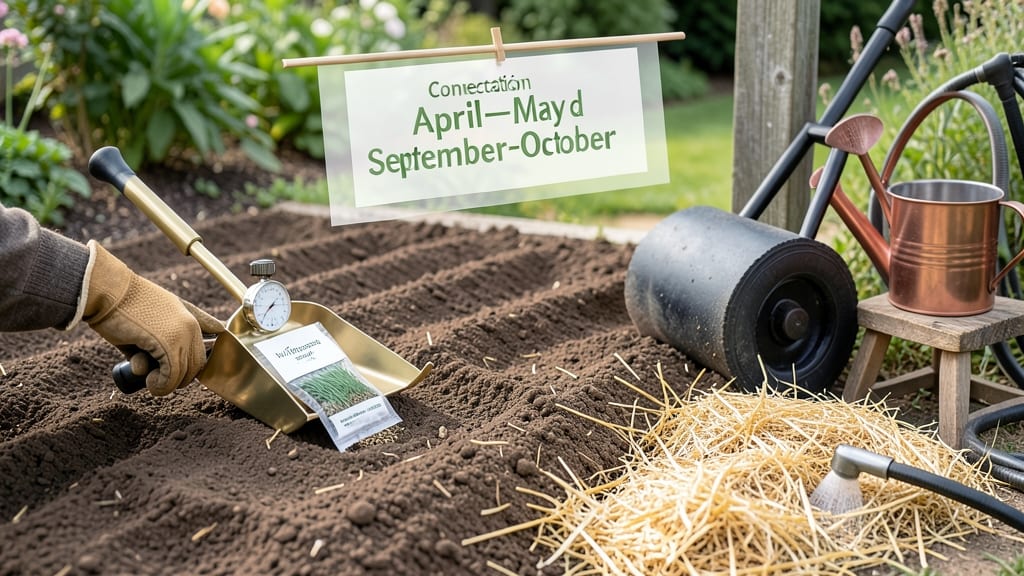
Planting grass seed in Connecticut at the right time is the secret to a thick, green lawn that outlasts summer heat and winter frost.
If you’ve ever poured seeds into the ground only to watch them wither before the first frost, you know timing is everything. In USDA zones 5b-6b, late summer—specifically late August to mid-September—is your best shot at strong root growth before winter dormancy sets in.
This window gives grass seed 4-6 weeks to establish deep roots before the ground freezes, while avoiding the scorching heat of July or the dry winds of October. Cool-season grasses like Kentucky bluegrass and fescue thrive in these conditions, but only if you prep the soil and water consistently.
Below, I’ll walk you through the exact steps to time your planting, choose the right seed mix, and keep weeds at bay—so your lawn looks like a pro’s by next spring.
Optimal planting windows in Connecticut: late summer vs. early fall timing explained
If you're planting grass seed in Connecticut, the late August to mid-September window is your golden opportunity. This period gives cool-season grasses like Kentucky bluegrass and fescue the perfect 4-6 weeks to establish deep roots before winter dormancy.
The soil temperature drops to the ideal 50-65°F range, while summer’s scorching heat fades—creating ideal germination conditions.
Connecticut’s USDA zones 5b-6b experience microclimates that can shift dramatically between coastal areas and inland regions. In western CT, frost may arrive as early as mid-October, while eastern CT often holds off until late October.
Planting too late risks seeds sprouting just before frost, leaving them vulnerable to winter kill.
Early fall also avoids the drought stress of late summer, when lawns can dry out quickly. The moderate rainfall in September provides natural moisture, reducing your need for constant watering. Plus, cooler temps mean fewer weeds compete with your new grass for nutrients.
Here’s the breakdown of why late summer trumps other seasons for Connecticut lawns:
| Planting Window | Soil Temp (°F) | Rainfall | Frost Risk | Weed Competition |
|---|---|---|---|---|
| Late August | 65-70°F | Moderate | Low | Low |
| Mid-September | 55-65°F | Moderate-High | Moderate | Very Low |
| Early October | 50-55°F | Low | High | None |
| Late Spring (May) | 60-70°F | Variable | None | Moderate-High |
While early spring (April) is a secondary option, it comes with risks. Seeds planted too early may germinate during unpredictable late frosts, and weeds like crabgrass thrive in warm, moist soil. Late summer’s cooler temps slow weed growth, giving your grass a competitive edge.
For best results, aim to plant 4-6 weeks before your area’s first frost date. Check the National Weather Service or local Cooperative Extension Service for your specific zone. In western CT, this might mean late August, while eastern CT can stretch into early September.
Pro tip: If you miss the fall window, early spring (April) is your next best bet—but be prepared to water daily and monitor for frost. Warm-season grasses like Bermuda or Zoysia can also be planted in late spring, but they’re less ideal for Connecticut’s climate.
Once you’ve nailed the timing, focus on soil prep and seed selection. Loosen the top 2-3 inches of soil, remove debris, and choose a cool-season blend tailored to your lawn’s sunlight. After planting, keep the soil consistently moist for the first 3-4 weeks—this is critical for germination.
By planting in late summer, you’re giving your lawn a head start for next spring. The roots will be deep and established by winter, ready to green up early and outcompete weeds when warmer weather returns.
Critical factors affecting Connecticut grass seed success: soil, sun, and frost dates
Your Connecticut lawn’s success starts with understanding three critical factors: soil drainage, sunlight exposure, and local frost dates. These elements determine whether your grass seed will germinate, establish roots, and survive winter—or end up as a failed experiment.
First, let’s talk soil drainage. Connecticut’s clay-heavy soils often struggle to drain excess water, which can suffocate young grass roots. Test your soil’s drainage by digging a 6-inch hole, filling it with water, and timing how long it takes to drain.
If it takes more than 6 hours, you’ll need to amend with compost or sand to improve aeration.
Next, assess your lawn’s sunlight exposure. Most cool-season grasses like Kentucky bluegrass and tall fescue need 6+ hours of direct sun daily. Shady spots (common in Connecticut’s wooded areas) may require shade-tolerant varieties like fine fescue.
Use a sun tracker app for a week to map your lawn’s light conditions.
Finally, frost dates dictate your planting window. In USDA zones 5b-6b, the first frost typically arrives between October 15-30, leaving only a narrow window to plant. Aim for late August to mid-September—this gives seeds 4-6 weeks to establish roots before winter dormancy.
⚠️ Miss This, and Your Seed Will Fail
Planting too late (after September 20) risks seeds germinating just before frost, while planting too early (before August 15) exposes them to summer heat stress and drought. Connecticut’s average first frost is October 15—so count backward 6 weeks for your ideal window.
Pro Tip: Check your local Cooperative Extension Service for precise frost dates. In Hartford, for example, frost often hits 2 weeks earlier than coastal New London.
To maximize success, pair your planting with soil preparation. Rake out weeds, loosen compacted soil with a core aerator, and apply a starter fertilizer (high in phosphorus) to encourage root growth. Avoid heavy foot traffic on newly seeded areas—it disrupts seed-to-soil contact.
Once planted, maintain consistent moisture. Water lightly twice daily (morning and evening) until germination (7-21 days), then taper to 1/2 inch per week. Mulch with straw to retain moisture and protect seeds from drying winds—a common issue in Connecticut’s fall weather.
By aligning your planting with soil readiness, sunlight needs, and frost dates, you’ll give your grass seed the best shot at thriving through Connecticut’s winters. Skip these steps, and you’ll be left with patchy, weak turf that struggles to recover.