
Plants
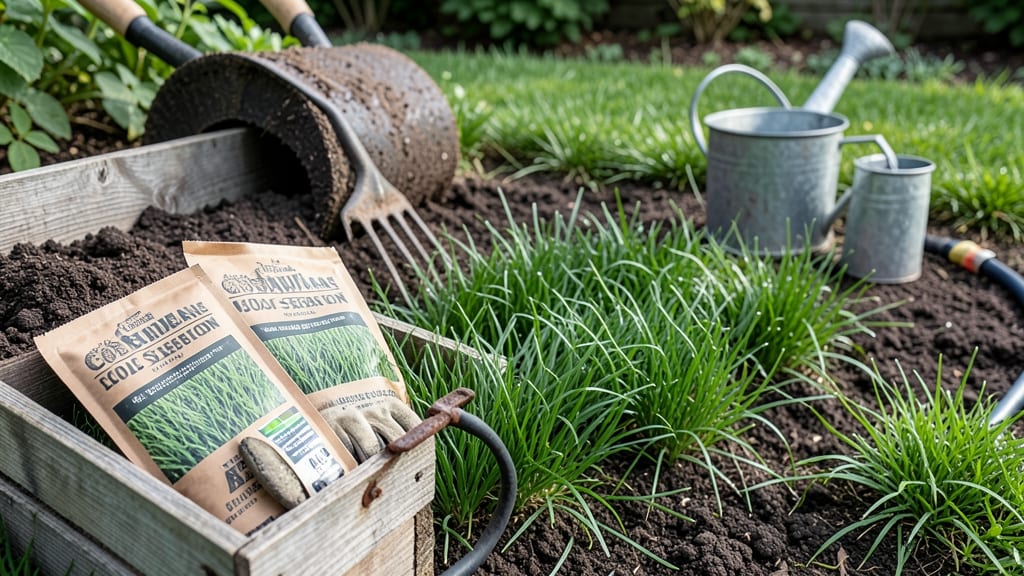
Planting grass seed in Connecticut during fall means timing it between late August and early October — a window that balances warm soil and cool air for strong root growth.
Miss this window, and you risk frost damage or weeds stealing your lawn’s future. But get it right, and you’ll have a thick, frost-resistant lawn by next spring. Here’s how to nail those dates in CT’s unpredictable climate.
Connecticut’s 5b-6b zones mean soil stays warm enough for seeds to sprout until mid-October, but cooler nights slow growth. The key? Plant 4-6 weeks before the first frost — usually by early October — to give roots time to establish.
Below, I’ll break down the exact dates for coastal vs. inland CT, how to prep your soil, and the 3 biggest mistakes that ruin fall seeding — so you can avoid them.
Best fall planting dates for grass seed in Connecticut (2024 guide)
Timing your grass seed planting in Connecticut’s fall is all about beating the first frost while giving seeds time to establish roots.
The ideal window is between late August and early October, but exact dates vary by region—coastal areas like New Haven and Stamford have 2-3 weeks longer than inland zones like Hartford or Waterbury. Soil temperatures should stay above 50°F for at least 4-6 weeks post-planting to avoid winterkill.
Connecticut’s USDA Zones 5b-6b mean first frost can arrive as early as mid-October in northern areas or as late as early November near the coast. To maximize success, aim to plant 4-6 weeks before your local average first frost date.
For example, September 15-30 is perfect for most of the state, but inland areas should start by September 1 to avoid rushing.
Why fall? Cool temperatures reduce weed competition, and 6-8 weeks of root growth before winter gives grass a head start. Skip spring seeding—summer heat and weeds make it nearly impossible to establish a thick lawn. Even tall fescue and Kentucky bluegrass, CT’s top choices, need this fall window to thrive.
| Region | Best Planting Window | Soil Temp Goal | First Frost Avg. | Grass Variety |
|---|---|---|---|---|
| Coastal (New Haven, Stamford) | Late August - Early October | 50°F+ for 6+ weeks | Early November | Tall fescue, fine fescue |
| Central (New Britain, Hartford) | Mid-August - Mid-September | 50°F+ for 5+ weeks | Mid-October | Kentucky bluegrass blend |
| Inland (Waterbury, Torrington) | Early August - Early September | 50°F+ for 4+ weeks | Late September | Tall fescue dominant |
| Adjust for Early Frost? | Plant by September 1 | Use cold-hardy seed | N/A | Fine fescue mixes |
If you’re in a cooler microclimate (like Litchfield Hills), start as early as early August to avoid cutting it too close. For warmer southern CT (e.g., Norwich), you can extend planting until October 15, but monitor weather forecasts.
A 5-day forecast predicting temps below 40°F at night is your cue to finish seeding.
Pro tip: Check soil temperatures at 4-inch depth—they should stay above 50°F for 4-6 weeks post-planting. Use a soil thermometer ($10 at garden centers) or check the CT Agricultural Experiment Station’s weekly updates. If temps drop unexpectedly, cover seeds with straw mulch (¼ inch thick) for insulation.
For late-season adjustments, switch to fine fescue blends if frost arrives early. These varieties tolerate colder soils and can germinate at 45°F, giving you a 2-week extension in risky years. Avoid Kentucky bluegrass in late plantings—it struggles with short fall windows and weak root growth.
Don’t wait until October 15—by then, weeds like crabgrass and chickweed will germinate faster than your grass seed. Aim for September 1-15 as your sweet spot, when daytime temps hover around 65-75°F and nights stay above 50°F.
This balance ensures consistent moisture without fungal risks from overnight dampness.
After planting, water deeply twice daily (morning and evening) for the first 2 weeks, then taper to 1 inch per week. Use a rain gauge to track amounts—CT’s fall rains are unpredictable, and underwatering is the #1 killer of new grass.
If frost threatens within 3 weeks of planting, apply a light straw mulch to protect tender shoots.
Remember: Early planting ≠ better. Seeding in July or August risks summer heat stress and weed takeover. Wait until late August at the earliest—your lawn’s success depends on it.
For high-traffic areas, choose tall fescue mixes; for shady spots, opt for fine fescue or Kentucky bluegrass blends.
🌱
How to prepare your Connecticut lawn for fall grass seed success
Fall is the perfect time to plant grass seed in Connecticut because the soil stays warm while cooler air reduces weed competition. But before you spread seed, your lawn needs the right prep to ensure 90%+ germination rates.
Start by testing your soil pH—most CT grasses thrive at 6.0-7.0. If it’s off, amend with lime (to raise pH) or sulfur (to lower it) 4-6 weeks before seeding.
Next, clear all weeds and debris from your lawn. Use a broadleaf herbicide like 2,4-D if weeds are stubborn, but wait 2-3 weeks before seeding to avoid chemical residue.
For stubborn grass clumps, rent a sod cutter or dig them out manually. A clean slate means your new grass won’t compete with unwanted plants for nutrients.
- 1 Test soil pH (aim for 6.0-7.0) and amend with lime or sulfur if needed. Let amendments sit for 4-6 weeks before seeding.
- 2 Loosen soil to 4 inches deep with a core aerator or tiller. This improves water and root penetration for new seeds.
- 3 Spread starter fertilizer (high in phosphorus) like 10-20-10. This fuels early root growth before seeds sprout.
- 4 Choose the right seed mix for CT: tall fescue (drought-resistant), Kentucky bluegrass (hardy), or fine fescue (shade-tolerant).
- 5 Spread seed evenly using a broadcast spreader. For new lawns, use 8-12 lbs per 1,000 sq ft. For overseeding, use ½ that amount.
- 6 Lightly rake seeds into soil (¼ inch deep) and cover with a thin layer of straw mulch to retain moisture and protect from birds.
After prepping your soil, it’s time to select the right grass seed for Connecticut’s climate. Tall fescue is my top pick for most CT lawns—it’s drought-tolerant and stays green through summer heat. Kentucky bluegrass spreads aggressively, filling in bare spots but needing more water.
For shady areas, fine fescue thrives with less sunlight. Mixing types (e.g., 60% tall fescue, 30% Kentucky bluegrass, 10% fine fescue) gives you the best of all worlds.
Once you’ve spread seed, keep it consistently moist for the first 2-3 weeks. Water lightly twice daily (morning and evening) to prevent seeds from drying out. Avoid heavy watering, which can wash seeds away.
After germination (usually 7-14 days), reduce to 1 inch per week and let the grass grow to 3 inches tall before your first mow.
Finally, apply a light mulch layer (like straw) to protect seeds from drying winds and bird damage. This also helps regulate soil temperature, which is critical in Connecticut’s unpredictable fall weather. Mulch breaks down over time, adding organic matter to your soil as new grass establishes.
With these steps, your Connecticut lawn will be thick, green, and frost-resistant by next spring—no more patchy, weed-filled messes! The key is patience: seeds need time to germinate and roots to grow before winter sets in. 🌱