
Plants
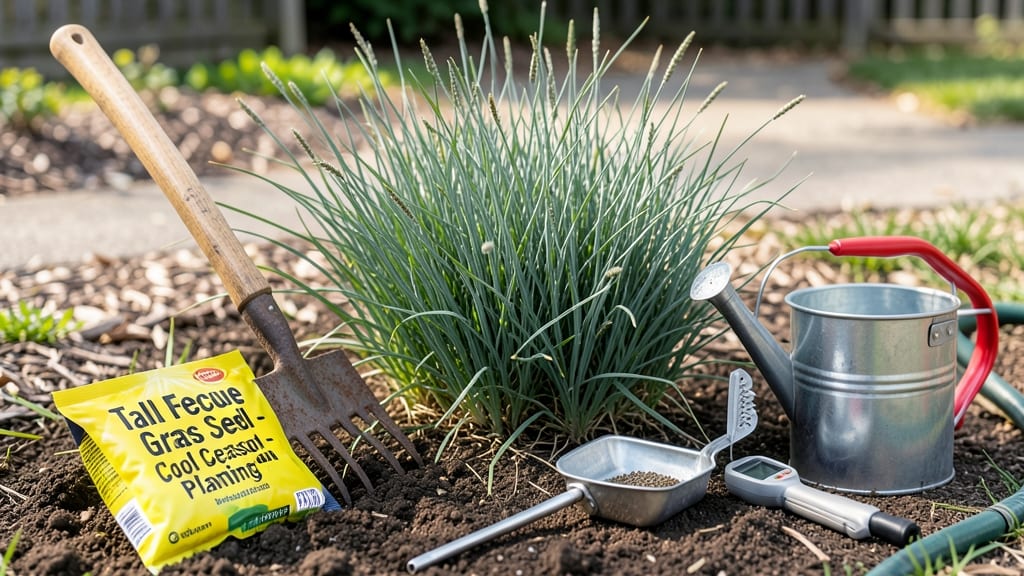
Planting fescue grass seed in Tennessee between late summer and early fall gives it the best chance to establish strong roots before winter 🌱 — and skipping this window can mean thin patches or weeds taking over.
If you’ve ever stared at a patchy lawn wondering why it never greens up, timing is the secret. Fescue thrives when soil temps hover around 60-70°F, which in Tennessee means September through October.
Plant too early, and summer heat stresses the seedlings; too late, and winter freezes set in before roots deepen.
This isn’t just about picking a month—it’s about reading your local microclimate. Nashville’s 6b zone plays by one set of rules, while Chattanooga’s 7a might need a tweak. We’ll break down the exact windows for each zone, plus how to prep your soil for maximum germination.
Ready to transform that bare spot into a lush, low-maintenance lawn? Here’s how to nail the planting schedule, avoid common pitfalls, and keep your fescue thriving year after year.
Best planting months for fescue grass in Tennessee by hardiness zone
If you're planting fescue grass seed in Tennessee, timing is everything—especially in USDA zones 6b-7a. These zones cover most of the state, from Nashville to Chattanooga, where fall planting dominates for success.
The ideal window is September to October, but early spring (March-April) works too. Let’s break down why and how to nail it.
Fall planting gives fescue grass a head start on root growth before winter, while avoiding the summer heat that can stress young seedlings. In Tennessee’s climate, soil temperatures stay warm enough for germination until late October, but planting too late risks winter dormancy before roots establish.
Spring planting is riskier due to weed competition and faster drying soils.
The best time to plant depends on your specific Tennessee region. For example, Nashville (Zone 7a) has a later first frost than Chattanooga (Zone 7b), so adjust accordingly. Below, I’ve outlined the exact months and conditions for each planting window to maximize your lawn’s success.
For fall planting, aim for 4-6 weeks before the first frost. In Nashville (Zone 7a), this is typically mid-September to early October. In Chattanooga (Zone 7b), you might extend to early November if soil stays warm.
The key is ensuring soil temperatures stay above 50°F (10°C) for consistent germination.
If you choose spring planting, act fast—March to early April is your window. Soil must thaw completely, and you’ll need to water daily to prevent drought stress. Spring planting is riskier because weeds germinate faster than fescue, so pre-emergent herbicides may be needed.
Tennessee’s clay soils and humidity add complexity. Always test your soil’s pH (6.0-7.0) and loosen it with a rake before planting. Overwatering in fall can lead to fungal issues, while underwatering in spring causes seed desiccation. Balance is key!
Pro tip: Mulch lightly after planting to retain moisture, but avoid thick layers that smother seeds. For best results, combine fall planting with a fall fertilizer application (like a 10
How to choose between fall vs. spring planting for maximum germination
Deciding between fall and spring planting for fescue grass in Tennessee comes down to one word: timing. Fall planting is my top recommendation because it gives seedlings 6-8 weeks of warm soil and cool air to establish roots before winter dormancy.
Spring planting, while possible, risks summer heat stress and weed competition if seeds sprout too early.
Tennessee’s USDA zones 6b-7a create a unique challenge: late summer heat can scorch spring-planted seeds, while early fall frosts might stunt fall plantings. The key is planting 4-6 weeks before your first frost date—typically mid-September to early October for most of the state.
For spring, aim for early March to mid-April when soil temps rise above 50°F.
Here’s the game-changer: fall planting avoids summer’s 90°F+ soil temps, which can bake seeds before germination. Spring planting, however, skips winter’s natural weed suppression. Your choice depends on your lawn’s current state and local microclimate.
Fall Planting vs. Spring Planting for Fescue Grass in TN
Fall Planting
- ✅ Pros:
- Cooler temps reduce stress
- 6-8 weeks for root growth
- Fewer weeds compete in fall
- Winter dormancy protects seedlings
- ❌ Cons:
- Late planting risks frost
- Winter survival requires prep
Spring Planting
- ✅ Pros:
- Avoids winter dormancy risks
- Longer growing season ahead
- Easier weed control timing
- ❌ Cons:
- Summer heat stresses seedlings
- Weed competition increases
- Slower establishment
For fall planting, adjust your seed depth to ¼ inch—lighter than spring’s ½ inch—since cooler soils hold moisture better. Use a starter fertilizer with high phosphorus (like 10-20-10) to boost root growth before winter.
In spring, pre-emergent herbicides become critical to block weeds, but apply them 2 weeks after planting to avoid harming young grass.
Moisture management is where most Tennessee gardeners trip up. Fall-planted seeds need daily watering for the first 2 weeks to keep soil consistently damp (not soggy). Spring plantings, however, require deep watering 2-3 times weekly to outpace summer evaporation.
A soil moisture meter is your best friend here—aim for 60-70% moisture at 1-inch depth.
Pro tip: If you’re on the fence, late August to early September is the sweet spot for fall planting in Tennessee. This gives you 6 weeks of warm soil before cooler temps set in.
For spring, don’t wait past mid-April—by May, the heat will be too intense. Test your soil first; fescue thrives in pH 6.0-7.0, and Tennessee’s clay soils often need gypsum or lime to adjust.