
Plants
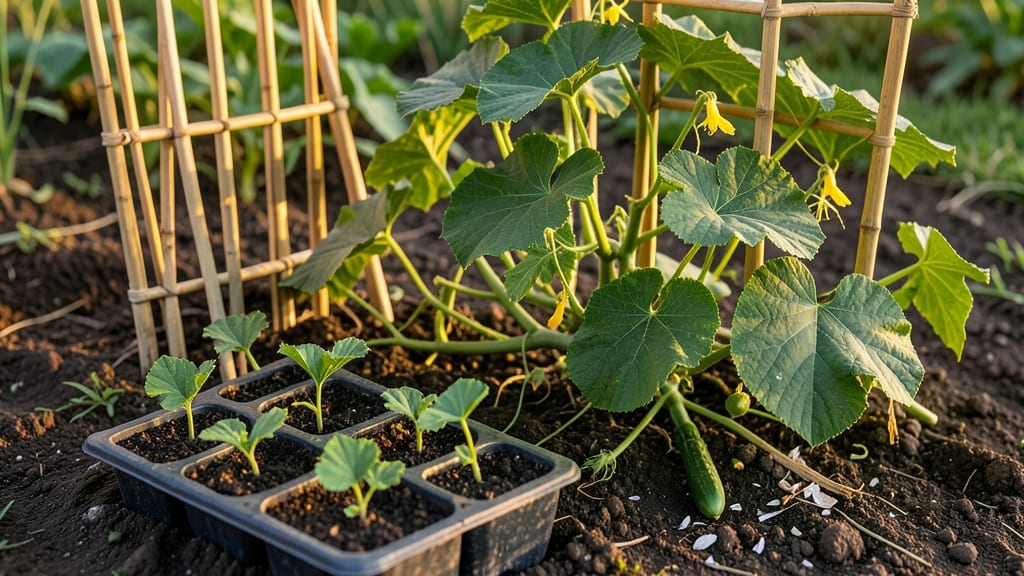
Planting cucumber seeds in Ontario after the last frost date — usually mid-May — is the key to a bountiful summer harvest 🥒.
Ontario gardeners know timing is everything—plant cucumber seeds too early, and frost will kill them; too late, and you’ll miss the summer harvest. But with the right frost-free date strategy, you can grow thriving cucumbers in Ontario’s diverse climate zones.
For zones 5b-6b, soil temperature matters just as much as the calendar. Wait until the ground warms to at least 15°C (59°F), and use black plastic mulch to speed things up if your spring feels slow.
Below, I’ll break down the best planting windows by region, whether to start indoors or sow directly, and how to stretch your harvest with simple tricks like succession planting and companion crops.
Ontario’s frost-free dates for planting cucumber seeds by zone
Cucumbers thrive in Ontario’s warm summers, but timing is critical to avoid frost damage and maximize harvests. The last frost dates vary dramatically across Ontario’s USDA zones 5a to 7b, creating a 3-week window difference between northern and southern regions.
Knowing your zone helps determine whether to start seeds indoors or direct-sow outdoors after the frost-free date.
For northern Ontario (zones 5a/5b), like Thunder Bay and Sault Ste. Marie, cucumbers are often started indoors 4-6 weeks before the last frost. In southern Ontario (zones 6a/7b), such as London or Windsor, you can direct-sow seeds as early as mid-May.
Even within a single zone, microclimates—like urban heat islands or protected garden spots—can shift planting windows by 1-2 weeks.
Always verify your local last frost date using Environment Canada’s historical data, as urban areas warm faster than rural zones. For example, Toronto’s last frost typically occurs May 15-20, while Ottawa’s is May 25-30.
Planting too early risks frost-killed seedlings, while waiting too long may reduce your harvest window.
Cucumbers need soil temperatures above 15°C (59°F) to germinate properly. Use a soil thermometer to confirm readiness—cold soil delays germination by weeks. In cooler zones, black plastic mulch can raise soil temperature by 5-10°C, extending your planting window by 10-14 days.
Here’s a zone-by-zone breakdown of when to start cucumber seeds indoors or transplant seedlings outdoors in Ontario:
| Zone | Last Frost Date | Indoor Start (Weeks Before Frost) | Outdoor Transplant Window | Direct Sow Window |
|---|---|---|---|---|
| 5a (Northern ON) | June 5-10 | 6-8 weeks before | June 15-20 | June 20-25 |
| 5b (Northern ON) | May 25-30 | 5-7 weeks before | June 5-10 | June 10-15 |
| 6a (Central ON) | May 15-20 | 4-6 weeks before | May 25-June 5 | May 25-June 10 |
| 6b (Southern ON) | May 5-10 | 3-5 weeks before | May 15-25 | May 10-June 5 |
| 7a/7b (Southwest ON) | April 25-May 5 | 2-4 weeks before | May 10-20 | April 25-May 15 |
For zone 5a gardeners, like those in Timmins or Kenora, starting seeds indoors in early April ensures healthy transplants by mid-June. In zone 7b, such as Windsor or Chatham-Kent, you can direct-sow seeds as early as late April under row covers or black plastic.
Always harden off seedlings for 7-10 days before transplanting to prevent shock.
If your last frost date falls in late May or June, opt for fast-maturing varieties like ‘Early Green’ (50 days) or ‘Straight Eight’ (60 days). These varieties can still produce a harvest before the first frost in September.
For cooler zones, consider trellising cucumbers to improve air circulation and reduce disease risk.
Pro tip: Use frost cloth or low tunnels to extend your outdoor planting window by 2-3 weeks in early spring. This allows you to direct-sow seeds 10-14 days earlier than your official last frost date. Just remove the cover when daytime temperatures consistently stay above 18°C (64°F).
Monitor your local weather forecasts closely in May, as late frosts can still occur. In my garden in zone 6a Toronto, I’ve lost entire cucumber plantings
How to extend the cucumber growing season in Ontario
Ontario’s short growing season can make cucumber lovers feel like they’re always racing the clock. But with the right techniques, you can push your harvests earlier or later than the typical July-to-September window.
The key is combining season extension tools, heat-tolerant varieties, and smart planting strategies to maximize your 165 frost-free days.
I’ve tested these methods in my own garden, and they’ve helped me enjoy fresh cucumbers from early June all the way to mid-October.
Whether you’re dealing with late spring frosts or early fall chills, these proven techniques will give your cucumbers the extra time they need to thrive in Ontario’s climate.
- Use cold frames to start seeds 4-6 weeks earlier than your last frost date. These mini greenhouses trap heat and protect tender seedlings from late frosts.
- Cover young plants with floating row covers until soil warms to 15°C (59°F). This shields them from light frosts (down to -2°C) while allowing sunlight to penetrate.
- Plant heat-tolerant varieties like 'Straight Eight' or 'Marketmore 76'—they handle Ontario’s summer heat better than traditional types and produce later into the season.
- Try succession planting every 2 weeks from mid-May to early July. This staggered approach ensures a continuous harvest and extends your season by up to 6 weeks.
- Use black plastic mulch to warm soil faster and retain moisture. This creates a microclimate that helps cucumbers establish earlier in spring and delays wilting in fall.
For early-season starts, I swear by cold frames—they’re like a greenhouse in a box. I place mine on south-facing slopes to maximize sunlight exposure. Inside, I start seeds in early April, giving me a head start on the typical planting window.
The transparent lids let in light while trapping heat, and the sturdy walls protect against late frosts that can still hit in May.
Row covers are another game-changer, especially for direct-sown cucumbers. I use lightweight fabric covers that I drape over hoops or stakes. These allow 6-8 hours of sunlight while shielding plants from light frosts and hungry pests.
The best part? You can remove them once the soil warms consistently, giving your plants room to grow without restriction.
Don’t overlook the power of succession planting. Instead of planting all your seeds at once, I space mine out every 2 weeks starting in mid-May. This means I’m harvesting cucumbers in early June from my first batch while later plantings keep coming through until mid-September.
It’s a simple strategy that eliminates the "feast or famine" harvest cycle.
For late-season extensions, focus on heat-tolerant varieties and mulching. I’ve had great success with 'Tyria' cucumbers—they handle Ontario’s summer heat better than most and keep producing even as temperatures dip in September.
Pair that with straw mulch to regulate soil temperature, and you’ll delay the end of your harvest by 3-4 weeks.
With these techniques, you’ll turn Ontario’s short season into a long, productive cucumber festival. The secret? Start early, protect young plants, and keep planting until the soil cools. Your taste buds—and your dinner table—will thank you all summer long. 🥒