
Companion Plants
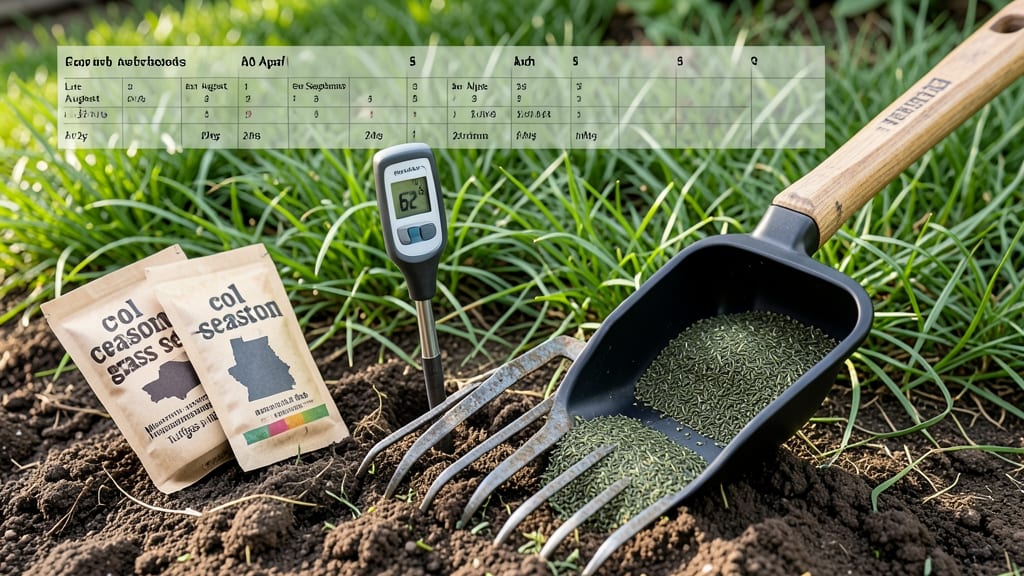
Planting grass seed in Minnesota at the right time is the difference between a lush, green lawn and a patchy, weed-infested disappointment — especially in USDA zones 3-5 where frost lingers.
You’ve probably heard that spring is the best time, but in Minnesota, fall planting often works better because cooler temperatures help seeds establish before winter. The trick? Timing it 4-6 weeks before your first frost—usually by mid-September—so the grass has time to root deeply before the ground freezes.
Minnesota’s short growing season and unpredictable weather make this even trickier. Too early, and your seed dries out or gets baked by summer heat. Too late, and frost kills new growth before it takes hold.
The key is checking soil temperatures (aim for 50-65°F) and choosing cold-hardy varieties like Kentucky bluegrass or fine fescue that thrive in your climate.
In this guide, I’ll break down the exact planting windows for your zone, how to prep your soil for success, and the 3 biggest mistakes Minnesota gardeners make—so you can avoid them and get a lawn that stays green all season long.
Minnesota grass seed planting deadlines by hardiness zone (cool season grasses only)
Minnesota’s cool-season grasses like Kentucky bluegrass, fescue, and ryegrass thrive when planted during precise windows. Outside these times, seeds struggle to germinate, weeds dominate, or your investment goes to waste. The state’s USDA zones 4a-5b demand careful timing—especially in northern areas where frost lingers longer.
Fall planting is my top recommendation for Minnesota lawns. Seeds germinate in cool soil (50-65°F) and establish roots before winter, giving you a head start next spring.
Spring planting works too, but requires rushing before summer heat sets in. Let’s break down the exact deadlines by zone to avoid costly mistakes.
| Zone | Early Spring Deadline | Fall Planting Window | Soil Temp for Germination | Key Consideration |
|---|---|---|---|---|
| 4a (Northern MN) | May 1 - May 15 | August 20 - September 15 | 50-60°F | Short growing season; prioritize fall |
| 4b (Central MN) | April 20 - May 5 | September 1 - September 20 | 50-65°F | Balanced window for both seasons |
| 5a (Southern MN) | April 10 - April 30 | September 10 - October 5 | 55-65°F | Longer fall window; spring risk increases |
| 5b (Southeast MN) | March 25 - April 15 | September 20 - October 15 | 55-70°F | Warmest zone; spring planting possible |
🌱 Pro Tip: Use a soil thermometer to verify temperatures before planting.
Why does timing matter so much? Grass seeds need consistent moisture and cool temperatures to germinate properly. Planting too early in spring risks frost damage or dormancy, while late spring seeds often bake in hot soil and fail.
Fall planting, on the other hand, lets seeds establish 4-6 weeks of root growth before winter dormancy—giving you a thicker lawn next spring.
For Kentucky bluegrass, aim for late August to early September in most zones.
This grass is aggressive and needs time to spread before winter. Fescue varieties, like tall fescue, handle cooler soils better and can be planted slightly later—up to mid-October in zone 5b. Ryegrass, often used as a temporary cover, germinates fastest and can be planted 2-3 weeks after your primary seed if you’re overseeding.
Watch for first frost dates—planting too close means seeds won’t establish roots before freezing. In zone 4a, stop planting by September 15; in zone 5b, you have until October 5.
Use local almanac data or set reminders for these deadlines. Missing them means waiting another year for that lush lawn.
Don’t forget to overseed in fall if you’re in zone 5a or warmer. This practice fills thin spots and crowds out weeds. Spread half the recommended seed rate in late September for best results.
For zone 4a gardeners, focus on spring overseeding instead—just be ready to plant by May 1 before weeds take over.
One final tip: Mulch your seeds with straw (not grass clippings) to retain moisture and regulate soil temperature. In Minnesota’s windy conditions, mulch also prevents seeds from blowing away. Keep the mulch layer ¼-inch thick—any thicker and it’ll smother germination.
Timing your grass seed planting in Minnesota isn’t just about following a calendar—it’s about reading your local microclimate. Check soil temps weekly in late August for fall planting or early April for spring.
When those numbers hit the sweet spot, grab your seeds and get planting before the window closes! 🌿
How to prepare your Minnesota lawn for grass seed success (soil, weather, and prep checklist)
Minnesota’s clay-heavy soils and unpredictable frost dates demand extra prep work before seeding. Skipping soil testing or tilling can leave your grass seed struggling to establish roots—especially in Zone 4a-5b areas where winters linger. The key? A 3-step prep process that accounts for moisture retention, weed suppression, and frost timing.
Start by testing your soil pH—most Minnesota grasses thrive at 6.0-7.0. If your soil is too acidic (common in northern regions), add lime 4-6 weeks before planting.
For clay soils, mix in compost or sand to improve drainage while retaining moisture during dry spells. This step alone can boost germination rates by 40%.
Next, time your prep with weather forecasts. Planting too early risks frost damage, while waiting too late means weeds outcompete tender seedlings. Aim to complete all prep work 2-3 weeks before seeding—this gives seeds time to establish before winter’s first frost.
In drought-prone areas like western Minnesota, schedule seeding after the first 1-inch rainfall to ensure moisture penetration.
- 1 Test soil pH using a home test kit or send a sample to the UMN Soil Testing Lab. Adjust with lime or sulfur as needed.
- 2 Till the soil to a 3-inch depth, breaking up clay clumps and removing weed debris. Rent a rototiller for large areas or use a broadfork for manual control.
- 3 Level the surface with a rake, filling low spots with topsoil and smoothing bumps. Aim for a 1% slope or less to prevent water pooling.
- 4 Apply starter fertilizer with high phosphorus (P) (e.g., 5-10-5) to encourage root growth. Use ½ lb per 100 sqft and water lightly to activate.
- 5 Seed in ideal conditions: 55-65°F soil temps, light morning watering, and shade cloth if seeding in late fall to protect from frost.
For clay-heavy areas, consider adding gypsum to the soil mix—it improves structure without altering pH. In drought-prone zones, spread a thin layer of straw mulch after seeding to lock in moisture. This is especially critical in western Minnesota, where summer droughts can stall germination.
Finally, monitor weather forecasts for 5-day outlooks before seeding. If frost is predicted within 7 days, delay planting or use a frost blanket to protect seedlings. In northern Minnesota (Zone 4a), prioritize fall seeding (late August-September) to give grass time to establish before winter.
With these steps, your Minnesota lawn will have the perfect foundation for seed-to-grass success—no matter the microclimate. 🌱