
Plants
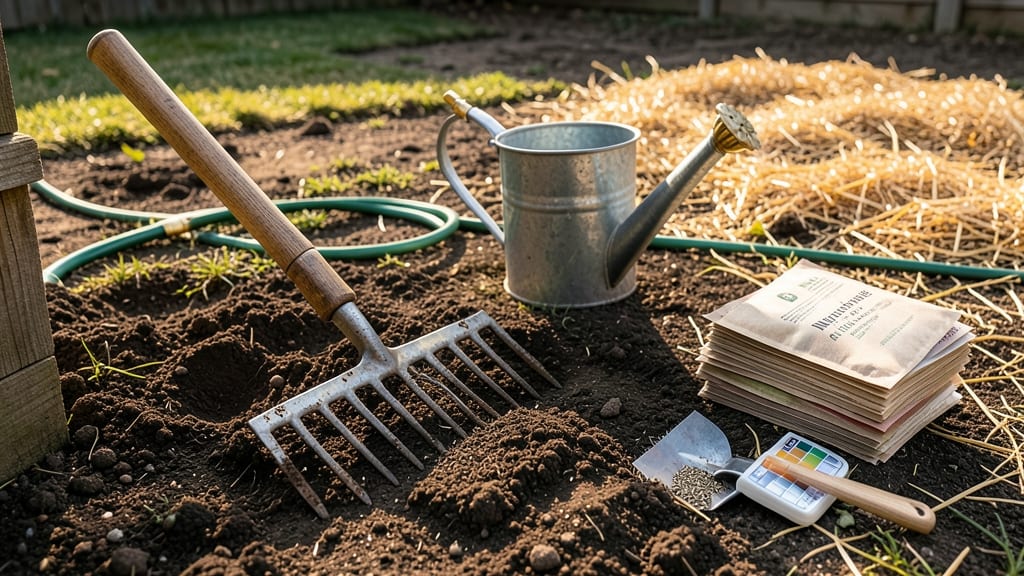
The best time to plant grass seed in Minnesota is late August through early October or early April to mid-May, when soil temperatures hit 50-65°F—the sweet spot for germination.
Minnesota’s short growing season and unpredictable spring freezes can turn grass seeding into a high-stakes gamble—but timing it right guarantees a lush, thick lawn instead of patchy disappointment.
Fall planting, in particular, gives seeds a head start before winter, while spring offers a longer growing window. The key is avoiding late frosts and ensuring soil warmth, not just air temperature.
Below, I’ll break down the ideal windows, soil prep tips, and how to outsmart Minnesota’s Zone 3b-5a climate for a flawless lawn.
Minnesota grass seed planting timeline: soil temperature rules for zone 4B
Timing your grass seed planting in Minnesota's Zone 4B isn't about guessing—it's about soil temperature science. While air temps might still dip below freezing, the real magic happens when your soil reaches 50-65°F.
This thermal window is when seeds awaken from dormancy and germinate reliably, not when a calendar says "spring."
Most gardeners focus on frost dates, but soil temperature matters more for seed viability. A 50°F soil triggers germination in cool-season grasses like Kentucky bluegrass and tall fescue, while 65°F is the upper limit before heat stress sets in.
In Minnesota, this typically aligns with late April to early May for spring planting, but early September often offers more stable conditions for fall.
Here's the critical rule: Plant when soil temps are consistently 50-65°F for 5+ days. Use a soil thermometer (not air temp!) to check 2-3 inches deep—where seeds will germinate. Morning readings between 55-60°F are ideal for Zone 4B.
Why does this matter? Cold soil slows germination, leaving seeds vulnerable to fungal diseases and bird predation. Meanwhile, overly warm soil (>65°F) can cause seeds to sprout too quickly, leading to weak, drought-prone grass. Minnesota's unpredictable spring makes soil temp the most reliable predictor of success.
🌱
| Planning Stage | Soil Temp Threshold | Minnesota Timeline | Risk Factors |
|---|---|---|---|
| Pre-Planting Prep | Soil temp < 50°F | Mid-March to mid-April | Seeds dormant; risk of frost heave |
| Ideal Planting Window | 50-65°F (5+ days) |
Spring: Late April-early May Fall: Early September |
Best germination; minimal frost risk |
| Late Planting Warning | >65°F or <50°F |
Spring: After May 15 Fall: After Sept 15 |
Weak growth; heat/frost stress |
| Establishment Period | 50-75°F (daytime) | 6-8 weeks post-planting | Drought or compaction risks |
| Frost Risk Window | <40°F soil | Mid-October to May | New grass vulnerable to dieback |
Let's break down why soil temperature rules beat calendar dates in Minnesota. For example, April 15th might feel like spring, but if your soil is still 45°F, seeds will linger underground for weeks—inviting weeds and pests.
Conversely, May 10th might show 70°F soil, but by then, summer weeds have already taken over.
Pro tip: Test your soil at 2-inch depth for 3 consecutive mornings. If temps hover around 55°F, it's go time.
In Zone 4B, this usually means waiting until after Mother's Day for spring planting—even if the daffodils are blooming. Fall planting gets easier because soil cools gradually, but don't wait past September 15th or seeds may germinate too late for root establishment before frost.
One common mistake? Planting too early because the air feels warm. I once seeded in mid-April when soil was 48°F, and 80% of seeds rotted before sprouting. Always prioritize soil temp over air temp—it's the deciding factor for Zone 4B success.
For fall planting, aim for 4-6 weeks before first frost (typically early September). This gives grass 6-8 weeks to establish roots before soil temps drop below 50°F. Use a soil thermometer to confirm—60°F soil in September is ideal for cool-season grasses.
Remember: Grass seed needs warmth to wake up, but not too much heat.
In Minnesota, spring planting after May 15th often means competing with crabgrass, while fall planting after September 20th risks weak winter survival. Soil temperature is your best friend for nailing the perfect window.
☀️
Best months for planting grass seed in Minnesota: spring vs fall comparison
Deciding between spring and fall planting in Minnesota’s Zone 4B climate comes down to two key factors: soil temperature and frost risk. While both seasons offer advantages, each presents unique challenges for Minnesota gardeners. Let’s break down the pros, cons, and ideal timelines for each planting window.
Fall planting—typically from late August to early October—gives seeds a head start by allowing roots to establish before winter. Meanwhile, spring planting (early April to mid-May) offers a longer growing season but risks late frosts that can damage young seedlings.
The choice depends on your region, grass type, and patience for results.
Southern Minnesota (e.g., Minneapolis, Rochester) enjoys slightly milder winters, allowing fall planting up to mid-October. In contrast, northern Minnesota (e.g., Duluth, Brainerd) should aim for late August to early September to avoid early frosts. Spring planting in northern areas must wait until late May to minimize frost damage.
| Factor | Spring Planting (April-June) | Fall Planting (September-October) |
|---|---|---|
| Ideal Months | Early April–Mid-May | Late August–Early October |
| Soil Temperature | 50–65°F (after last frost) | 50–65°F (before first frost) |
| Establishment Time | 6–8 weeks before summer heat | 4–6 weeks before winter dormancy |
| Frost Risk | High (late frosts) | Moderate (early frosts) |
| Best Grass Types | Cool-season (bluegrass, fescue) | Cool-season (all types) |
| Watering Needs | High (spring drought risk) | Moderate (fall rains help) |
For spring planting, aim to sow seeds 2–4 weeks after the last frost, typically by mid-May in southern Minnesota and late May in the north. Use a soil thermometer to confirm temperatures are consistently above 50°F.
Cool-season grasses like Kentucky bluegrass and tall fescue thrive in spring but require diligent watering to outpace summer drought.
Fall planting, however, is often the safest bet for Minnesota lawns. Seeds germinate in cool soil, establish roots before winter, and emerge in spring with a 30–50% faster growth rate.
Plant 4–6 weeks before the first hard frost (usually mid-October in southern MN, early October in the north). Avoid planting too early—seeds may sprout and die in summer heat.
Regardless of season, test your soil pH (ideal: 6.0–7.5) and loosen the top 2–3 inches of soil for optimal seed-to-soil contact. Mulch lightly with straw to retain moisture and protect seeds from wind.
With the right timing, your Minnesota lawn can go from bare patches to lush green in just one season. 🌱