
How To
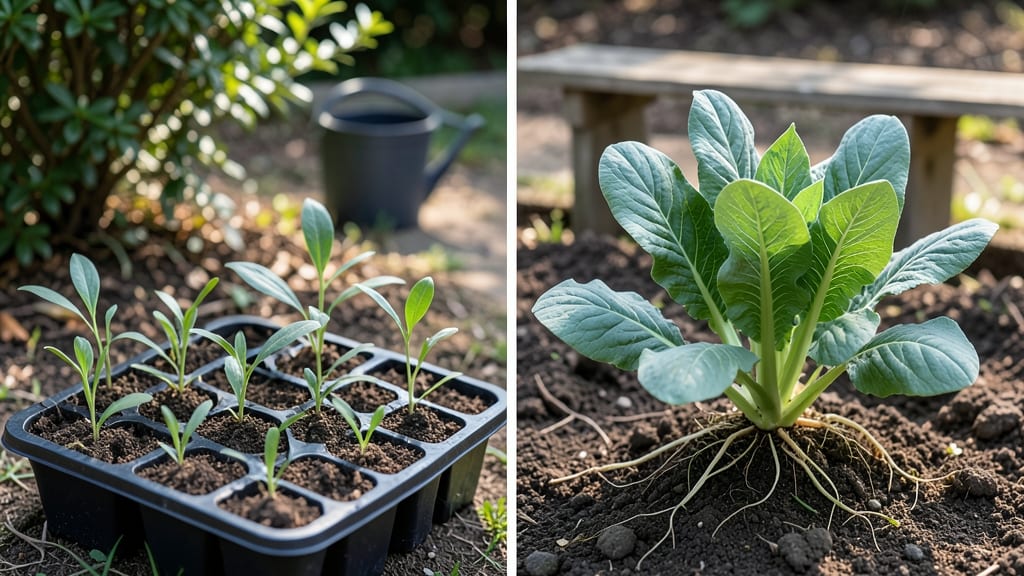
Planting seeds with the right number per hole is the key to avoiding overcrowded seedlings and wasted effort—most gardeners either plant too few or too many.
Picture this: you’ve spent hours preparing your soil, only to watch half your seeds fail to sprout or end up with a jungle of seedlings fighting for space. The truth? The number of seeds you drop into each hole makes all the difference.
For General Seeds in Zone 6a, spacing rules vary wildly depending on whether you’re growing dwarf herbs or tall vegetables. Some plants thrive with just one seed per hole, while others need three or more to ensure strong germination.
In this guide, I’ll break down the exact spacing rules for your favorite plants, how to thin seedlings properly, and the three most common mistakes that kill your garden before it even starts. Let’s get those seeds right the first time.
How many seeds per hole maximizes germination for different plant types
Getting the right number of seeds per hole can feel like a guessing game, but science shows it’s all about the plant’s germination rate and mature size. Too few seeds mean wasted space; too many lead to overcrowded seedlings and poor growth.
The key is matching the seed count to the plant’s needs—some thrive with just one seed, while others need 3-5 seeds for reliable germination.
For example, large seeds like tomato or melon seeds often only need one seed per hole because they’re expensive and have high germination rates. On the other hand, tiny seeds like carrot or lettuce require 3-5 seeds per hole to ensure at least one seedling survives.
Understanding these rules saves time, money, and frustration in your garden.
| Plant Type | Seeds per Hole | Germination Rate | Spacing After Thinning | Notes |
|---|---|---|---|---|
| Large Vegetables (Tomato, Melon, Squash) | 1 | 85-95% | 18-36 inches apart | Expensive seeds; thin to strongest seedling. |
| Leafy Greens (Lettuce, Spinach, Kale) | 3-5 | 60-80% | 6-12 inches apart | Thin to 1-2 healthiest seedlings. |
| Root Vegetables (Carrot, Radish, Beet) | 3-5 | 50-70% | 2-4 inches apart | Thin early to prevent overcrowding. |
| Herbs (Basil, Parsley, Cilantro) | 1-2 | 70-85% | 6-12 inches apart | Basil often self-thins; parsley may need 2 seeds. |
| Flowers (Marigold, Sunflower, Zinnia) | 1-3 | 80-90% | 6-24 inches apart | Sunflowers need 1 seed; marigolds tolerate 2-3. |
| Fast-Growing (Radish, Lettuce, Arugula) | 5-10 | 40-60% | 1-2 inches apart | Harvest early to avoid bolting. |
When deciding how many seeds to drop per hole, always check the seed packet instructions—they’re your best guide. But remember, environmental factors like soil temperature and moisture levels also play a role.
For instance, cool-season crops like lettuce germinate better in 50-70°F soil, while warm-season crops like tomatoes need 70-85°F soil to sprout reliably.
If you’re planting herbs like basil or flowers like marigolds, aim for 1-2 seeds per hole. These plants often self-thin, meaning weaker seedlings naturally fall away, leaving the strongest one to grow.
For vegetables like carrots or radishes, sowing 3-5 seeds per hole ensures at least one seedling survives, even if germination rates are lower.
Thinning seedlings is a critical step most gardeners overlook. Once your seedlings have 2-3 true leaves, use sharp scissors to snip unwanted plants at soil level.
This reduces transplant shock and prevents disease spread from overcrowded roots. Always thin in the early morning or late afternoon to minimize stress on remaining plants.
One common mistake is assuming all seeds need the same treatment. For example, beans and peas can be sown directly <
When to plant multiple seeds vs. single seeds: strategic planting guide
Deciding how many seeds to plant per hole can feel like a guessing game, but it’s actually a science-based strategy. Planting too many seeds leads to overcrowding, while planting too few wastes resources. The key lies in understanding your plant’s maturity size, germination rate, and growth habits.
For example, tomatoes and melons thrive with just 1 seed per hole, while radishes and beans need 10+ seeds for reliable harvests.
Seed spacing isn’t just about numbers—it’s about creating an environment where seedlings can compete for nutrients without stealing each other’s sunlight. I’ve learned the hard way that overcrowded seedlings develop weak stems and poor yields, while undersown seeds leave empty spaces in your garden.
The solution? A strategic approach tailored to each plant’s needs.
Comparison Table: Seeds per Hole by Plant Type
| Plant Type | Seeds per Hole | Germination Rate | Thinning Age | Mature Spacing |
|---|---|---|---|---|
| Tomatoes, Melons, Peppers | 1 | 70-90% | N/A (direct sow) | 18-24" |
| Carrots, Lettuce, Spinach | 3-5 | 50-70% | 2-3 weeks | 2-4" |
| Radishes, Beans, Peas | 5-10 | 80-95% | 1-2 weeks | 1-3" |
| Herbs (Basil, Parsley) | 2-3 | 60-80% | 3-4 weeks | 6-12" |
| Flowers (Marigolds, Sunflowers) | 1-2 | 75-90% | N/A (direct sow) | 6-12" |
For large-fruited plants like tomatoes or melons, planting just 1 seed per hole ensures each plant has enough space to develop strong roots and heavy yields. These plants are competitive and don’t benefit from thinning.
In contrast, small-seeded plants like radishes or lettuce have lower germination rates, so planting 5-10 seeds per hole guarantees a full row.
Herbs like basil or parsley fall in the middle—planting 2-3 seeds per hole gives you flexibility for thinning while ensuring a strong start. The key is to thin seedlings early to avoid overcrowding.
Use sharp scissors to snip unwanted seedlings at soil level, leaving the strongest one to grow. This minimizes stress on the remaining plants.
Pro tip: Always check your seed packet instructions for specific recommendations, but use this guide as a baseline. Factors like soil quality, climate, and container size can adjust the ideal spacing.
For example, container gardens may require closer spacing due to limited space, while in-ground planting allows for wider gaps.
Experiment with your spacing this season—keep a garden journal to track which methods yield the best results. You’ll soon master the art of planting the perfect number of seeds for a thriving garden! 🌱