
Plants
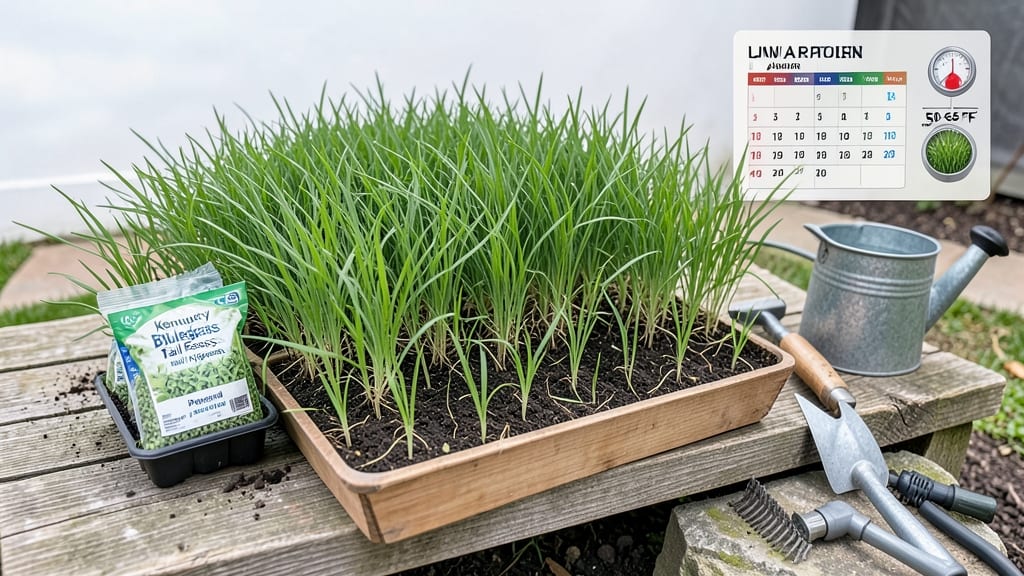
The best time to plant grass seed in Iowa is 4-6 weeks after the last frost (early spring) or 4-6 weeks before the first frost (early fall) — when soil temperatures hover between 55°F and 75°F for consistent germination.
Iowa’s unpredictable weather can turn a lush lawn into a patchy disappointment if you plant grass seed at the wrong time—but timing it right guarantees thick, vibrant grass that outlasts droughts and freeze-thaw cycles. 🌱
Cool-season grasses like Kentucky bluegrass and tall fescue thrive in Iowa’s 5a-5b zones, making early spring (March-April) and early fall (September-October) the ideal windows. Planting too early risks frost damage, while late planting leaves grass vulnerable to summer heat.
Below, I break down the exact frost-free windows by zone, soil prep tips, and how to extend your planting season safely—so you avoid the most common mistakes that leave lawns thin and uneven.
Iowa’s optimal grass seed planting window by hardiness Zone (5a-5b)
Iowa’s USDA Zones 5a-5b create a unique challenge for grass seed planting—too early, and frost zaps your seedlings; too late, and summer heat stresses new roots. The ideal planting window is a narrow but critical period that balances soil warmth and moisture retention.
For most of Iowa, this means early spring (April) or early fall (September), but microclimates near rivers or urban areas can shift these dates by weeks.
Your hardiness zone matters because Zone 5a (colder) has a shorter frost-free window than Zone 5b. In Zone 5a, aim for April 15–May 15 or September 1–September 30, while Zone 5b gardeners can stretch to May 1–June 1 in spring or September 15–October 15 in fall.
These windows ensure 4–6 weeks of growth before summer heat or winter frost sets in.
Soil temperature is your best guide—wait until the ground reaches 50°F (10°C) at 4 inches deep. Use a soil thermometer ($10 at garden centers) to check daily. In Iowa, this typically aligns with late April for spring and early September for fall, but watch for unpredictable late frosts in Zone 5a.
Fall planting often yields thicker grass because cooler temps reduce weed competition and drought stress. In Iowa’s Zone 5a, September 1–30 is ideal—seedlings establish roots before winter dormancy. Zone 5b gardeners can push to October 15, but monitor soil moisture closely as autumn rains taper off.
Use the "back of the hand rule" to test soil readiness: Press your hand into the soil—if it feels cool but not freezing and crumbles easily, it’s ready. Pair this with a moisture meter ($15) to ensure 1–2 inches of dampness in the topsoil.
In Iowa’s clay-heavy soils, this means watering 2–3 days before planting to prep the seedbed.
Microclimates throw off timing by 1–3 weeks. For example, south-facing lawns warm up 5–7 days earlier than north-facing areas. Check your yard’s exposure: Shady spots may need cool-season grasses like fine fescue, while sunny patches thrive with Kentucky bluegrass.
Adjust planting dates by 7–10 days for shaded areas.
Iowa’s 2023 frost data shows last frosts can occur as late as May 10 in Zone 5a and May 20 in Zone 5b. To hedge your bets, use frost blankets ($20 at garden centers) for 2–3 weeks after planting in spring.
In fall, apply them 2 weeks before the first expected frost to protect tender seedlings.
Pro tip: Overseed in late August for a head start—this gives seedlings 6–8 weeks to establish before winter. Use a slow-release fertilizer (like 10-10-10) at planting to fuel early growth. Avoid high-nitrogen blends, which burn young roots.
If you miss the ideal window, late May or early November can still work with cool-season grasses. Just reduce seed rates by 20–30% and increase watering frequency to daily for the first 3 weeks. Pair this with a mulch layer (straw or peat moss) to retain moisture and ins
5 Critical factors that determine the perfect planting time in Iowa
Planting grass seed in Iowa isn’t just about memorizing dates—it’s about reading your local microclimate and understanding how soil conditions interact with your chosen grass varieties.
While early spring and fall are the ideal windows, even those can fail if you ignore these five critical factors that separate a thriving lawn from a patchy disappointment.
Iowa’s 5a-5b climate zones create unique challenges, from spring frost risks to summer drought stress. Cool-season grasses like Kentucky bluegrass and tall fescue dominate here, but their success hinges on timing that aligns with soil moisture, rainfall patterns, and even weed competition.
Let’s break down what truly matters beyond the calendar.
- Soil Temperature: Aim for 55°F–75°F—too cold delays germination, while above 80°F stresses seedlings. Use a soil thermometer to verify before planting.
- Rainfall Timing: Plant when 1-inch weekly rainfall is forecasted or commit to daily watering. Iowa’s May droughts are notorious for killing new grass.
- Weed Competition: Weeds like crabgrass and dandelions thrive in bare soil. Pre-emergent herbicides or mulching can reduce competition by 50%.
- Grass Variety: Cool-season grasses (bluegrass, fescue) need fall planting, while warm-season grasses (like buffalo grass) prefer late spring. Iowa’s climate favors the former.
- Microclimate: South-facing slopes warm faster—plant 2 weeks earlier than north-facing areas. Check your yard’s sun exposure for precision timing.
Let’s tackle soil moisture first—this is the #1 reason grass seed fails in Iowa. Even with perfect timing, dry soil can kill seedlings before they sprout. I recommend testing your soil’s moisture retention 2–3 days before planting.
If the top 2 inches feel dry, water deeply the night before to create the ideal moist seedbed.
Next, consider rainfall patterns. Iowa’s spring showers can be erratic, and planting in May often means relying on supplemental watering. I’ve seen lawns planted in late April thrive with natural rain, while identical seedings in May required daily watering for weeks.
Check your local NOAA forecasts for 7-day rainfall predictions before committing to a planting date.
Don’t overlook weed competition—it’s the silent killer of new grass. Weeds like chickweed and henbit germinate faster than grass seed, stealing nutrients and sunlight.
I’ve found that applying a pre-emergent herbicide like pendimethalin 2 weeks before planting can reduce weed pressure by up to 70%, giving your grass a fighting chance.
Finally, grass seed variety matters more than most Iowans realize. Cool-season grasses like tall fescue establish best in fall, while warm-season grasses (like zoysia) prefer late spring.
For Iowa’s climate, I recommend Kentucky bluegrass mixes for early spring or tall fescue blends for fall planting—they’re drought-tolerant and cold-hardy, perfect for our extremes.