
Trees
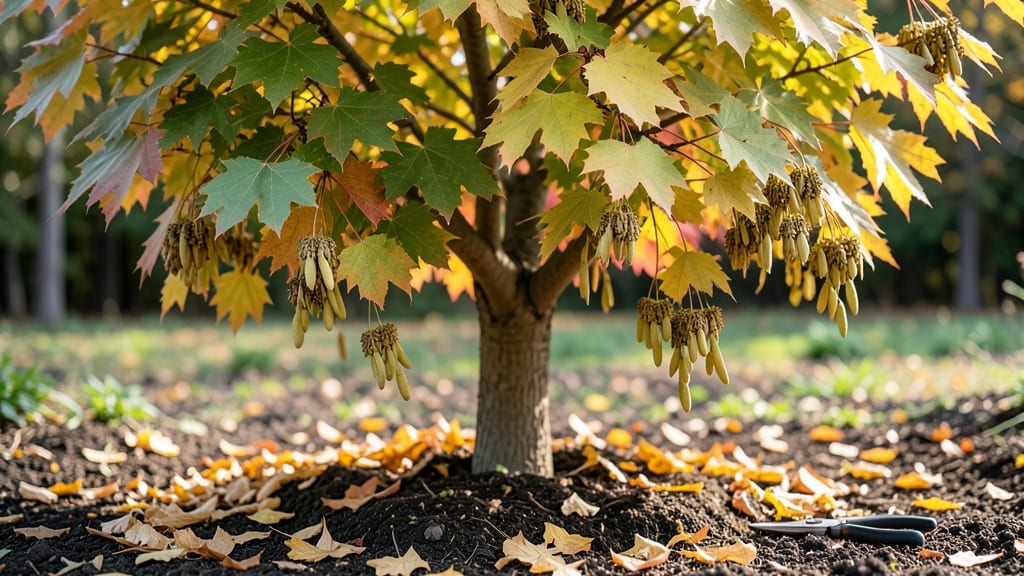
Maple trees drop their seeds in late summer, typically between July and October, when the whirring "helicopters" take flight and scatter across your yard.
If you’ve ever spotted those twirling seeds fluttering from maple trees 🌳 and wondered, 'Why now?'—the answer lies in the tree’s clever timing to maximize seed survival and dispersal.
This late-summer window isn’t random; it’s a survival strategy. By releasing seeds when temperatures are warm but before the first frost, maple trees give their offspring the best chance to establish roots before winter sets in.
Below, I’ll break down the exact timing by region, what triggers the seed drop, and how you can manage the mess—plus why some years see more seeds than others.
The exact late summer timeline for maple seed dispersal
Maple trees time their seed dispersal with precision, releasing those iconic helicopter seeds during a late summer window that ensures the best chance for survival. This natural process typically begins in July and peaks through September, though the exact timing depends on species, location, and environmental conditions.
Understanding this window helps gardeners prepare for cleanup and even take advantage of natural seed dispersal for propagation.
Most maple species—like sugar maples, red maples, and silver maples—follow a similar pattern, but regional differences can shift the timeline by 2-4 weeks. Warmer climates may see seeds drop earlier, while cooler areas might delay dispersal until early October.
The key trigger? A combination of daylight hours shortening and temperatures cooling—signals that tell the tree it’s time to reproduce before winter sets in.
Here’s the precise breakdown of when to expect those whirring seeds to flutter down:
If you’re in Zone 5 or colder, expect the main seed drop to occur between mid-August and early September, as the trees rush to disperse seeds before first frost.
Meanwhile, in Zone 8 and warmer, you might see seeds drifting as early as June or as late as October, depending on rainfall patterns. Red maples, for example, often release seeds slightly earlier than sugar maples, which tend to hold onto theirs until late August.
One fascinating detail: maple trees produce seeds in odd-numbered years (e.g., 2023, 2025) with a heavier crop, while even years yield far fewer. This mast seeding strategy ensures that local wildlife—like squirrels and birds—aren’t overwhelmed by food availability, giving some seeds a better chance to germinate undisturbed.
For gardeners, this means 2024 is a light year for maple seeds, while 2025 will be a banner year for those whirring samaras.
To predict your local maple seed drop, watch for these signs: green seed pods turning brown, a slight rustling sound from the canopy, and an increase in seeds on the ground.
If you’re near a young maple tree (under 10 years old), it may produce fewer seeds, as maturity is key for full reproductive output. Older trees, especially those over 30 years, become seed dispersal powerhouses during peak years.
Pro tip: If you’re planning to collect maple seeds for propagation, aim for late August in most regions. Lay down a tarp under the tree to catch the seeds as they fall, then store them in a cool, dry place until spring planting.
Just be sure to check local regulations—some areas consider maple seeds invasive if they spread unchecked.
Understanding this timeline also
How maple trees time their seed drop for maximum survival
Maple trees have perfected the art of seed dispersal timing, releasing their iconic helicopter seeds in late summer when conditions are ideal for survival. This precise window—typically July through October—isn’t random. It’s a calculated strategy to outsmart nature’s challenges and give young saplings the best chance to thrive.
The biological clock of maple trees syncs with environmental cues like daylight hours and temperature shifts. As summer wanes, trees respond to shorter days and cooler nights by triggering seed production.
This timing ensures seeds aren’t released too early when competition from spring bloomers is fierce, nor too late when winter frosts could damage tender seedlings.
- 🌬️ Wind Dispersal Optimization: Late summer’s steady breezes carry seeds farther, reducing competition near the parent tree. The helicopter design ensures seeds travel 100+ feet before landing.
- ❄️ Frost Avoidance: Seeds germinate in 60–90 days. A late-summer drop means saplings establish roots before first frost (typically October 15 in Zone 6a).
- 🌱 Competition Escape: By dropping seeds after spring ephemerals (like trilliums) and before winter dormancy, maples avoid competing for sunlight and nutrients with early-season plants.
- 🌡️ Temperature Balance: Soil temps in late summer (60–75°F) are perfect for germination. Cooler nights prevent seed desiccation while warm days fuel early growth.
Another clever adaptation is the seed’s delayed germination. Many maple seeds enter a dormant phase and wait until spring—sometimes 1–2 years later—to sprout. This ensures they don’t germinate in harsh winter conditions or compete with established plants.
For gardeners, understanding this timing helps manage seed litter and wildlife interactions. Raking seeds away from lawns can prevent invasive spread, while leaving some near young trees encourages natural regeneration. The red maple often drops seeds earlier (June–July), while sugar maples wait until September–October.
Nature’s precision is on full display when you watch those seeds spiral to the ground. Maple trees don’t just drop seeds—they engineer survival with every whirl and flutter. 🌳