
Companion Plants
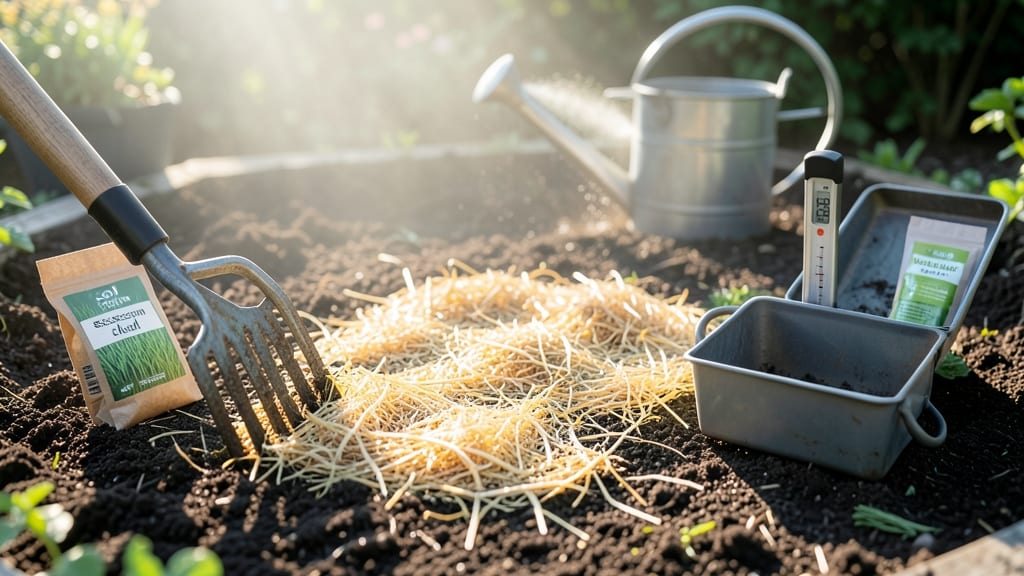
You can plant grass seed in Michigan between early spring and fall, but timing it right is the key to a thick, green lawn that survives the state’s wild weather swings.
Picture this: you’ve prepped the soil, spread the seed, and watered it in—only to watch it wither under a late frost or smothered by summer heat.
Michigan’s 5b-6b zones mean your neighbors’ perfect lawn might not work for you, and those 3-week windows between frost and drought are tighter than you think.
Cool-season grasses like Kentucky bluegrass and fescue thrive when planted in March-April or August-September, but soil temperature and frost dates shift by region. The Upper Peninsula’s chill delays planting until May, while southern Michigan can start as early as February—if you’re brave enough to gamble on the weather.
Here’s how to nail those deadlines, adjust for clay soil or deer pressure, and keep your lawn lush year after year—without guessing games or wasted seed.
Michigan grass seed planting Zones: best months by region
Michigan’s three distinct regions—the Upper Peninsula (UP), Northern Lower Peninsula (NLP), and Southern Lower Peninsula (SLP)—each have unique USDA Hardiness Zones (4-6) that dictate when to plant cool-season grasses like Kentucky bluegrass, tall fescue, and perennial ryegrass.
The average last frost dates shift from early May in the south to late May in the UP, meaning your planting window can vary by 4-6 weeks depending on location.
For best germination results, aim to plant 4-6 weeks before your region’s last frost date in spring, or 4-6 weeks before the first hard frost in fall.
This timing ensures strong root establishment before extreme heat or cold sets in. Missed deadlines often lead to weak grass growth, increased weed competition, or even total failure.
Here’s a region-by-region breakdown of Michigan’s ideal grass seed planting months, including early spring and fall deadlines tailored to your local climate. Use this as your guide to avoid common mistakes like planting too early (when soil is still frozen) or too late (when summer heat stresses seedlings).
🌱
In the Southern Lower Peninsula (SLP), where USDA Zone 6b dominates, you’ll have the earliest and longest planting windows. Start sowing Kentucky bluegrass or tall fescue as early as mid-March if soil temperatures stay above 50°F.
For fall, aim to finish by mid-September to ensure roots establish before winter dormancy. Missed deadlines here often mean battling summer weeds or early frost damage.
For the Northern Lower Peninsula (NLP), which spans Zones 5b-6a, wait until late March to plant in spring—earlier sowings risk frozen soil or weak germination.
Fall planting must wrap up by early September to avoid late-season heat stress. Perennial ryegrass is a popular choice here due to its fast establishment and cold tolerance.
The Upper Peninsula (UP), with its shorter growing season in Zones 4b-5a, demands the most precision. Plant in late April at the earliest, and prioritize shade-tolerant grasses like fine fescue if your lawn gets limited sun.
Fall planting is even more critical: finish by mid-August to give seedlings time to root before early frosts hit in September.
Regardless of your region, always test soil temperature before planting—50-60°F is ideal for cool-season grass germination.
Use a soil thermometer or check local Michigan State University Extension resources for real-time updates. Pro tip: If spring arrives late, consider overseeding in fall instead for a thicker, weed-resistant lawn.
🌿
One common mistake Michigan gardeners make is planting too late in fall, especially in the UP. If you miss the August deadline, seedlings may not establish before winter, leading to patchy lawns or increased weed growth next spring.
Similarly, planting too early in spring risks frost damage or poor soil conditions. Always check frost dates and adjust your timeline accordingly.
For best results, prepare your soil 2-3 weeks before planting by tilling, removing weeds, and adding compost or starter fertilizer.
How to adjust planting dates for Michigan’s unpredictable weather
Michigan’s 50–60°F soil temperature is your golden rule for planting grass seed—too cold, and seeds won’t germinate; too warm, and they’ll dry out before sprouting. But with late frosts in April and early freezes by October, even the best-laid plans can go awry.
The key is flexibility: knowing how to shift your timeline based on real-time conditions, not just calendar dates.
Start by tracking your local frost-free dates—the average last frost in southern Michigan (Zone 6b) is around April 15, while the Upper Peninsula (Zone 5b) often waits until May 1.
Planting 4–6 weeks before the last frost gives seeds time to establish roots before summer heat sets in. For fall, aim to finish by September 15 in southern regions or early September up north to allow roots to strengthen before winter.
Here’s how to adjust your planting dates when Michigan’s weather throws curveballs:
- Soil temp check: Use a soil thermometer—wait until soil reaches 50–60°F at 2-inch depth. Cold soil delays germination by 1–2 weeks.
- Late frost gambit: If frost warnings persist past your ideal date, use row covers or delay planting until May 1 (southern MI) or May 15 (northern MI).
- Pre-emergent timing: Apply pre-emergent herbicide 2 weeks before seeding in spring or after fall planting to block weeds without harming grass.
- Overseeding hack: For established lawns, plant fine fescue in late summer (August) when heat stress is lower and soil stays moist longer.
- Fall backup plan: If temps drop below 40°F before seeds sprout, switch to winter ryegrass, which germinates faster in cool soil.
Don’t let clay soil or deer pressure derail your timing either. Amend heavy clay with compost or sand to improve drainage, and plant deer-resistant varieties like creeping red fescue if local critters are a problem. Even a 1-inch layer of mulch after seeding helps retain moisture during dry spells.
For overseeding, focus on August–early September when daytime highs are 75–80°F but nights cool down. This window gives grass 4–6 weeks to establish before winter dormancy. Water deeply twice daily for the first week to encourage root growth, then taper to morning watering only once sprouts appear.
If all else fails, split your seeding into two batches: plant half in early spring and half in early fall. This divides the risk of weather-related failures and ensures a thicker lawn year-round. Just remember—consistency beats perfection in Michigan’s ever-changing climate.