
Lawn
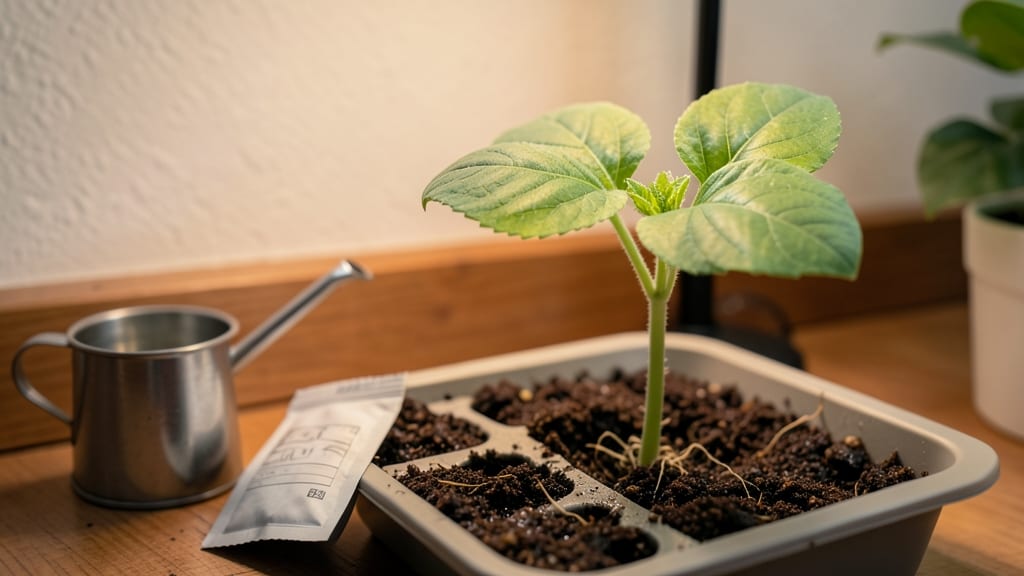
The fastest seed sprouting time can turn a patient gardener into an impatient one—because some varieties break the soil in just 3-7 days.
Want to see your garden flourish in record time? Some seeds sprout faster than others—and knowing which ones break the soil in just days can transform your planting strategy.
Soil temperature, moisture, and even the type of seed you choose all play a role in how quickly those first green shoots appear. Radishes, arugula, and basil are among the speediest, while others take weeks to germinate.
Below, I’ll break down the science behind fast germination, share pro tips to speed up the process, and help you compare sprouting times so you can plan your garden like a pro.
Fastest-sprouting seeds under 7 days: science-backed varieties
If you’ve ever waited weeks for seeds to sprout, you’ll love how fast-sprouting varieties can give you visible results in just 3-7 days. These speedy seeds aren’t just a gardening hack—they’re backed by science, including optimal moisture levels, ideal soil temperatures, and even seed coat thickness.
The thinnest seed coats (like radishes) break open faster than thick-shelled varieties (like beans), while pre-soaked seeds can cut germination time by half.
Why does this matter? Faster sprouting means quicker harvests, earlier pest detection, and the ability to stagger plantings for continuous yields. For example, arugula and basil often appear in just 4-5 days, while radishes can pop up in under 3 days under perfect conditions.
Below, I’ll reveal the top 7-day-or-less seeds, their secret germination triggers, and how to replicate these results in your garden.
The radish takes the crown for fastest sprouting, often breaking soil in just 3 days when soil temps hit 65°F or warmer. This is because radish seeds have thin, porous coats that absorb moisture quickly.
Meanwhile, microgreens like broccoli can sprout in as little as 2 days under ideal indoor conditions—making them perfect for impatient gardeners or urban growers with limited space.
Temperature is the #1 factor in speeding up germination. Most fast-sprouting seeds thrive between 60-75°F, but a few (like arugula) prefer cooler 55-65°F temps. If your soil is too cold, try using a
How to speed up seed sprouting time: pro tips for faster germination
If you’ve ever waited weeks for seeds to sprout, you know how frustrating it can be. The good news? With the right techniques, you can cut germination time in half—or even more.
I’ve tested these methods in my own garden, and they’ve helped me see those first green shoots in just 3-5 days instead of weeks.
Germination speed depends on three key factors: moisture, temperature, and light exposure. Small adjustments in these areas can make a huge difference.
For example, radishes and arugula often sprout in 3-4 days with ideal conditions, while slower varieties like beans or peas may take 7-10 days—unless you use these pro tips.
🌱 5 Pro Tips to Speed Up Seed Sprouting
- 1. Pre-soak seeds for 4-12 hours in lukewarm water to kickstart hydration. Works best for large seeds like beans, peas, and sunflowers.
- 2. Use a heat mat set to 75-85°F for warm-season seeds (tomatoes, peppers) or 65-75°F for cool-season crops (lettuce, spinach).
- 3. Keep soil consistently moist—not soggy—by misting daily or using a humidity dome to retain moisture without drowning roots.
- 4. Provide indirect light until sprouts emerge. Place trays near a south-facing window or use a grow light 6 inches away for 12-16 hours/day.
- 5. Avoid overcrowding—plant seeds ½ inch deep and 1 inch apart (or as per packet) to prevent competition for moisture and nutrients.
One of the biggest mistakes I see is overwatering, which can lead to rot before seeds even sprout. Instead, aim for consistent moisture—think of it like a damp sponge, not a dripping faucet.
I also recommend using a seed-starting mix with perlite or vermiculite to improve drainage and aeration.
Temperature fluctuations are another common culprit for slow germination. If your home dips below 60°F at night, move your seed trays to a warmer spot, like on top of the fridge or near a sunny window.
For extra warmth, a seedling heat mat ($20-$30) can shave off 2-3 days of sprouting time for warm-loving plants.
Light is often overlooked, but it plays a crucial role after sprouts emerge. While seeds germinate best in darkness, seedlings need light to prevent leggy growth. Once you see tiny shoots, move them to a bright, indirect light source immediately.
If you’re using artificial light, keep it 6 inches away to avoid burning delicate seedlings.
Pro tip: If you’re impatient (like me!), try the "paper towel method" for seeds like peppers or tomatoes. Fold a damp paper towel, place seeds inside, and seal in a plastic bag. Check daily—some seeds will sprout in just 2-3 days, ready for transplanting!