
Lawn
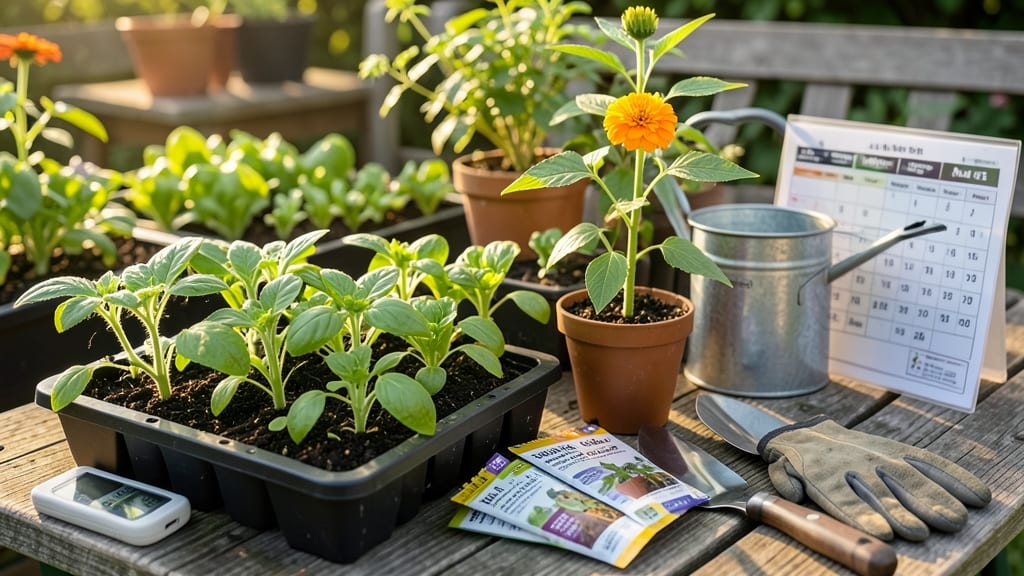
A seed planting schedule keeps your garden thriving by aligning sowing with nature’s rhythm—miss the window, and you risk stunted growth or wasted seeds.
Timing is everything in gardening—plant your seeds too early, and they’ll rot; too late, and you’ll miss the harvest. This month-by-month guide ensures you never guess again, whether you’re growing tomatoes, herbs, or flowers.
From frost-sensitive veggies to cool-season greens, I’ll break down the best planting months for your climate, including adjustments for early starts, succession planting, and regional tweaks.
Ready to grow more efficiently? You’ll walk away with a clear timeline, soil prep tips, and the confidence to plant like a pro every season.
Seed planting schedule by month: critical deadlines for vegetables, herbs, and flowers
Getting your seed planting schedule right means the difference between a bumper crop and wasted effort. Every plant has its own ideal planting window, and missing it can mean lost harvests or stunted growth.
Whether you're growing frost-sensitive tomatoes or hardy kale, timing matters more than you might think. The key is understanding your last frost date and adjusting for your USDA hardiness zone—because what works in Zone 5 won’t cut it in Zone 9.
For example, cool-season crops like lettuce and peas thrive when planted in early spring or late summer, while warm-season favorites such as basil and cucumbers need soil temperatures above 60°F to germinate properly. Even herbs like cilantro and dill have specific windows where they bolt less quickly.
Let’s break down the best months for planting popular vegetables, herbs, and flowers—so you can plan your garden like a pro.
| Plant Type | Best Planting Months | Notes |
|---|---|---|
| Cool-Season Vegetables (lettuce, spinach, peas) | March-April, August-September | Plant 4-6 weeks before last frost. Avoid summer heat. |
| Warm-Season Vegetables (tomatoes, peppers, cucumbers) | April-May (after last frost) | Soil must be 60°F+. Use row covers for early starts. |
| Herbs (basil, cilantro, dill) | April-June (basil), March-April (cilantro) | Basil bolts in heat; cilantro bolts in warmth. |
| Flowers (marigolds, zinnias, sunflowers) | April-July (direct sow) | Sunflowers need full sun; marigolds deter pests. |
| Long-Season Crops (brassicas, corn, melons) | May-June (after frost) | Corn needs 60+ frost-free days; melons need heat. |
In March and April, focus on cool-season crops like broccoli, carrots, and onions. These plants can handle cooler temperatures and even light frosts. Start seeds indoors for tomatoes and peppers in late March if your zone allows—this gives them a head start before the last frost.
For herbs like parsley and chives, March is perfect, but avoid planting basil until soil warms up.
By May and June, shift to warm-season vegetables such as beans, squash, and eggplants. These need consistent warmth to thrive, so wait until after your last frost date. For flowers like zinnias and cosmos, direct-sow seeds in May for vibrant summer blooms.
If you’re in a warmer zone (Zone 8+), you can even start planting fall crops like kale in late summer.
Don’t overlook succession planting in July and August. This means sowing quick-growing crops like radishes, lettuce, or bush beans every 2-3 weeks to keep a steady harvest. It’s also time to plant cool-season flowers like pansies and snapdragons for fall color.
For herbs like cilantro, late summer plantings will give you a second harvest before it bolts in the heat.
In September and October, focus on hardy fall vegetables such as spinach, turnips, and beets. These can handle cooler temps and even light frosts. For flowers like asters and chrysanthemums, September planting ensures they bloom into early winter.
If you’re in a mild climate, you can even plant garlic and onions in October for next year’s harvest.
For USDA Zones 3-5, where winters are harsh, stick to early spring and late summer plantings for most crops. In Zones 6-7, you can extend your season slightly, planting warm-season crops in early May and cool-season crops in late August.
Meanwhile, Zones 8-10 offer longer growing seasons—plant warm-season crops in March and cool-season crops as late as October.
Pro tip: Use row covers or cold frames to extend your planting season in cooler zones. This lets you sow seeds earlier in spring or later in fall, giving you more growing time.
Always check your seed packet for specific instructions—some varieties have unique needs. For example, basil seeds need warmth to germinate, while peas prefer cooler soil.
Remember, soil temperature matters just as much as air temperature. Use a soil thermometer to check if it’s warm enough for warm-season crops (60°F+) or cool enough for cool-season crops (40-50°F).
Adjust your planting schedule based on real-time conditions, not just the calendar. With this schedule, you’ll maximize your garden’s potential and enjoy fresh produce all season long.
How to adjust your seed planting schedule for your climate Zone
Your climate zone dictates when to plant—what works in Zone 5 may fail in Zone 9. Start by checking your USDA hardiness zone (find it via the USDA Plant Hardiness Zone Map) and note your average last frost date.
This date is your anchor for timing cool-season crops like lettuce and warm-season crops like tomatoes.
For example, in Zone 7, you might plant tomato seeds indoors in March, while in Zone 10, you could direct-sow them in January. Adjusting for your zone ensures seeds germinate in optimal soil temperatures—50–60°F for most veggies—avoiding cold damage or stunted growth.
Microclimates—like a sunny south-facing slope or shaded garden nook—can shift planting windows by 2–4 weeks. Test your soil temperature with a soil thermometer ($10 at garden centers) to confirm readiness. If your microclimate warms faster, plant heat-loving crops like peppers earlier.
⚠️ ⚠️ WARNING: Ignoring Frost Dates Can Ruin Your Harvest ⚠️Pro Tip: If your first frost is October 15, count backward for cool crops and forward for warm crops. Example: Plant kale seeds by September 1 (6 weeks before frost) but tomato seeds only after May 1 (2 weeks post-frost).
Extend your growing season with succession planting: Sow fast-growing crops like radishes every 2 weeks to stagger harvests. For long-season plants (e.g., broccoli), start seeds indoors 6–8 weeks before the last frost, then transplant outdoors.
Use row covers or a cold frame to push early starts in cooler zones.
For container gardening, adjust timing by 1–2 weeks earlier—pots heat up faster. Monitor soil moisture closely; containers dry out quicker, especially in Zone 8+. If your area has unpredictable frosts, opt for bolt-resistant varieties (like ‘Florence F1’ lettuce) to avoid bitter harvests.
Track your adjustments annually in a gardening journal. Note which seeds sprouted fastest, which crops thrived in your microclimate, and when you’d like to shift planting dates next year. With practice, you’ll fine-tune your schedule to match your local growing conditions perfectly—no more wasted seeds or missed harvests! 🌱