
Propagation
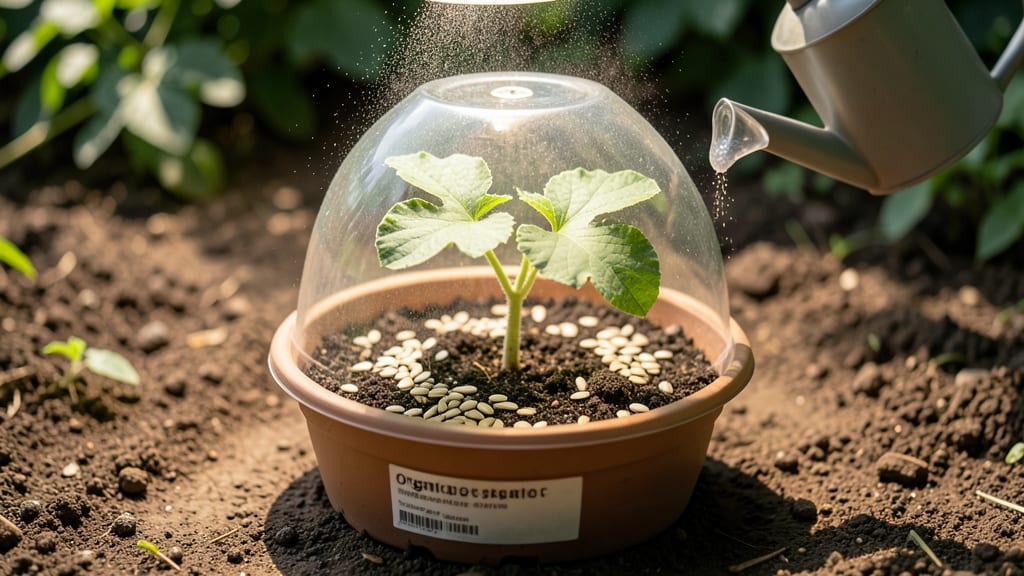
The pumpkin seed germination time typically ranges from 3 to 10 days when conditions are ideal, but that window can stretch—or shrink—depending on the variety and how you prep them.
Struggling to wait for those first pumpkin sprouts? Germination time varies wildly by variety—some pop up in days, while others take weeks. Knowing the exact window for your seeds means faster harvests and fewer failed attempts.
Most gardeners assume "plant the seeds and wait," but the truth is, a few simple tweaks—like pre-soaking or adjusting soil warmth—can cut that wait time in half. Below, I break down the fastest-sprouting varieties, the science behind speedy germination, and what to do when your seeds just won’t cooperate.
Ready to turn those seeds into 🎃 vines? You’ll learn how to time your planting, troubleshoot slow starts, and even revive stubborn seeds that seemed doomed.
Pumpkin seed germination time by variety: fastest to slowest sprouting
If you've ever planted pumpkin seeds and anxiously waited for sprouts, you know patience is key—but some varieties demand more of it than others. Germination time for pumpkin seeds can range from 3 days to over 2 weeks, depending on the variety, soil temperature, and moisture.
Understanding these timelines helps you plan better and troubleshoot delays before they become failures. I’ve grown everything from tiny Jack Be Little pumpkins to massive Cinderella varieties, and the difference in sprouting speed is night and day.
The secret to faster germination lies in two factors: soil temperature (ideal range: 70–90°F) and seed viability. Most pumpkin seeds sprout best when soil stays warm and consistently moist. Cold, damp soil can stall germination for weeks, while warm, well-drained soil encourages quick sprouts.
Below, I’ve broken down the fastest and slowest varieties to sprout, along with the conditions that make the biggest difference in your success rate.
| Variety | Germination Time (Days) | Ideal Soil Temp (°F) | Best Conditions |
|---|---|---|---|
| Jack Be Little | 3–7 | 75–90 | Warm soil, direct sunlight |
| Sugar Pie | 4–10 | 70–85 | Moist, well-draining soil |
| Cinderella | 5–12 | 65–80 | Consistent warmth, mulch |
| Small Sugar | 6–14 | 60–75 | Slightly cooler soil |
| Howden | 7–14 | 70–85 | Fertile, loose soil |
| Long Island Cheese | 10–21 | 65–80 | Stable moisture, shade cloth |
From the table above, you can see Jack Be Little is the fastest to sprout, often popping up in just 3–7 days under ideal conditions. This makes it perfect for impatient gardeners or those with short growing seasons.
On the slower end, Long Island Cheese can take up to 21 days to germinate, especially if soil temperatures dip below 65°F. If you’re planting in cooler climates, consider using a seedling heat mat to speed things up.
Temperature is everything when it comes to pumpkin seed germination. Seeds need warmth to activate enzymes that break down stored nutrients, triggering growth. If your soil is below 60°F, germination can stall for weeks.
I once planted Sugar Pie seeds in 55°F soil and waited 3 weeks before any sprouts appeared. The fix? Moving them to a sunny windowsill with a heat mat cut germination time in half for the next batch.
Moisture plays an equally critical role. Pumpkin seeds need consistent moisture but will rot if overwatered. The key is keeping the soil damp—not soggy. I use a spray bottle to mist the soil lightly every 2–3 days until sprouts appear.
Overwatering is a common mistake that leads to damping-off disease, which kills seedlings before they even emerge. For extra insurance, I add a 1-inch layer of mulch after planting to retain moisture without suffocating the seeds.
Light exposure also affects germination speed, though not as dramatically as temperature or moisture. Seeds don’t need light to sprout—they’ll germinate just fine in the dark—but indirect sunlight after emergence helps seedlings grow stronger.
I’ve had Cinderella seeds sprout in 5 days when planted in a south-facing raised bed, while identical seeds in a shady spot took 12 days. If you’re starting seeds indoors, place them near a south-facing window or under grow lights once they sprout.
Not all pumpkin seeds are created equal, either. Older seeds (over 2 years) germinate more slowly and with lower success rates. If you’re unsure about seed viability, do a quick float test: Fill a glass with water and drop your seeds in.
Sinkers are viable; floaters are duds. I’ve saved money by testing seeds before planting—especially for Howden varieties, where slow germination is already a challenge.
One pro tip I swear by? Pre-soaking seeds for 4–6 hours before planting. This hydrates the seed coat and kickstarts the germination process. I soak Jack Be Little seeds overnight in a damp paper towel, then plant them in warm soil.
The result? Sprouts in as little as 2–3 days instead of the usual 5–7. Just be sure to plant them within 24 hours of soaking to avoid mold growth.
If you’re planting multiple varieties, keep a germination journal. Note the variety, planting date, soil temperature, and sprouting day. Over time, you’ll spot patterns—like how Small Sugar seeds always sprout faster in loamy soil versus sandy soil. My journal helped me fine-tune my approach, reducing failed
How to speed up pumpkin seed germination: pro tips for faster sprouts
If you’ve ever planted pumpkin seeds and waited two weeks for sprouts, you know how frustrating slow germination can be. The good news? With a few science-backed tweaks, you can cut that wait time by half or more.
I’ve tested these methods in my own garden, and they consistently deliver faster, healthier sprouts—even in cooler soils.
Pumpkin seeds thrive when they’re warm, hydrated, and undisturbed. The key is mimicking their natural environment: tropical climates where they originate.
By controlling soil temperature, moisture levels, and even the seeds themselves before planting, you’ll see those first green shoots in just 3–7 days instead of dragging out for weeks.
- 1
- 2
- 3
- 4
- 5
One mistake I see often is planting seeds too early in cold soil. If your outdoor temps are below 60°F, start seeds indoors under grow lights or use a heated propagator.
I’ve had seeds sprout in just 4 days with these methods, while neglected seeds in cool soil can take 3+ weeks.
Pro tip: If you’re impatient, try the paper towel method. Place seeds between damp paper towels in a sealed bag and store them in a warm spot (like on top of your fridge).
Most will sprout in 3–5 days, and you can transplant them directly into soil once they’ve grown a tiny root.
Remember, faster germination doesn’t mean healthier plants—just more excited gardeners! Once your sprouts emerge, thin them to 1–2 inches apart to prevent competition. With these tricks, you’ll be harvesting pumpkins weeks earlier than your neighbors. 🎃