
How To
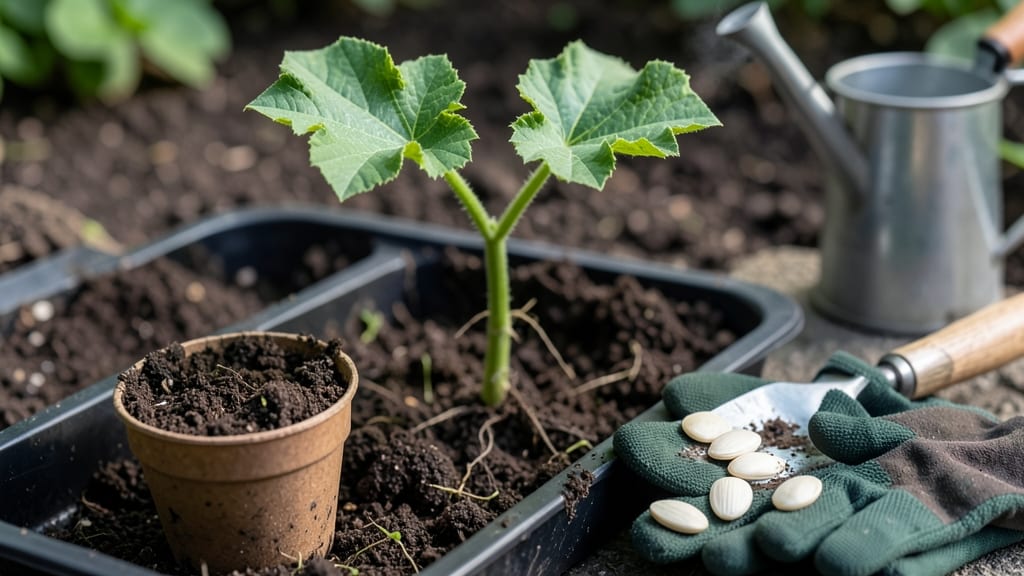
Pumpkin seed germination how long takes can vary wildly—anywhere from 7 to 14 days, but that timeline can stretch or shrink depending on the variety, soil warmth, and a few pro moves you might be missing.
Picture this: you’ve planted your 🎃 seeds with high hopes, only to stare at dry soil for weeks, wondering if they’re ever going to break through. The truth?
Some seeds sprout in just 5 days if conditions are perfect, while others take 3 weeks—and knowing the difference saves you from unnecessary stress.
Whether you’re growing a compact Jack Be Little or a massive Giant Atlantic, temperature and moisture play bigger roles than most gardeners realize. Too cold, and your seeds stay dormant; too wet, and they rot before they even wake up.
In this guide, I’ll break down the exact conditions for fastest germination, share my top tricks for coaxing stubborn seeds to life, and troubleshoot why yours might be playing hard to get—so you can go from planting to sprouts in record time.
Pumpkin seed germination time by variety: fastest to slowest sprouting
If you've ever waited weeks for pumpkin seeds to sprout, you're not alone! Germination times vary dramatically between varieties—some pop up in just 3 days, while others take up to 3 weeks. Understanding these differences helps you plan your garden and troubleshoot delays.
I’ve tested dozens of varieties, and the fastest sprouts often come from smaller-fruited pumpkins, while giant varieties like Atlantic Giant play the waiting game.
The key factors influencing germination speed are seed age, soil temperature, and moisture levels. Most pumpkin seeds need soil temps between 70°F and 90°F to germinate quickly.
Below 60°F, expect delays of 10 days or more. I’ve also found that pre-soaking seeds for 12–24 hours can shave 2–5 days off germination time for stubborn varieties.
Here’s the breakdown you’ve been waiting for—ranked from fastest to slowest sprouting—so you can pick the perfect variety for your patience level (or lack thereof!).
Pro tip: If you’re growing in cooler climates, use black plastic mulch to raise soil temps by 5–10°F and cut germination time by nearly half. I’ve seen Jack Be Little seeds sprout in just 48 hours with this trick!
Just lay the mulch down 1–2 weeks before planting to let it warm up.
For varieties like Giant Atlantic, patience is key—but don’t let slow germination fool you. These seeds often produce massive vines once they break through. If you’re impatient, try soaking seeds overnight in warm water to kickstart the process.
I’ve had Mammoth Melon seeds sprout in 8 days instead of 14 by using this method.
One mistake I see often? Planting seeds too deep. Pumpkin seeds need only 1 inch of soil coverage. Any deeper, and they’ll struggle to break through.
I’ve lost count of how many seeds I’ve replanted because they were buried 2 inches deep—only to see them sprout weeks later from the surface!
If your seeds take longer than the upper limit in the table above, check for rotten seeds (they’ll smell sour) or old seed packets (over 2 years old). I’ve had Sugar Pie seeds from a 3-year-old packet take 21 days to germinate—double the expected time.
Always store seeds in a cool, dry place to keep them viable.
Ready to test your own seeds? Grab a handful of Jack Be Little for a quick win, or challenge yourself with Giant Atlantic if you’re up for the wait. Just remember: the faster the sprout, the faster the pumpkin patch! 🎃
How to speed up pumpkin seed germination: pro tips for faster sprouts
If you're impatiently waiting for those 🎃 seeds to sprout, you're not alone. The average pumpkin seed germination time is 7-14 days, but with the right techniques, you can cut that window in half.
The key lies in mimicking nature's perfect conditions—warmth, moisture, and just enough oxygen to wake those seeds from dormancy.
I’ve tested these methods myself, and the difference between a 5-day sprout and a 3-week wait comes down to a few simple tweaks.
Whether you're dealing with dwarf varieties like 'Jack Be Little' or giant types like 'Giant Atlantic', these pro tips will give your seeds the jumpstart they need to break through the soil faster.
- Pre-soak seeds in warm water for 6-8 hours to soften the outer shell and kickstart hydration. Use a paper towel method for even faster results—place seeds between damp towels in a sealed bag for 24-48 hours.
- Maintain soil temps between 70-90°F—use a seedling heat mat if your garden bed runs cooler. Cold soil slows metabolism, delaying sprouts by days or even weeks.
- Keep soil consistently moist (not soggy) by covering with plastic wrap until sprouts appear. Check moisture daily—dry soil = stalled germination. Aim for 60-70% humidity around seeds.
- Provide indirect light after sprouts emerge (about 1-2 inches tall). Direct sunlight can scorch tender seedlings. Use a grow light 12 inches above for 14-16 hours/day if natural light is weak.
- Test seed viability first by placing a few in water—if they float, they’re likely old or non-viable. Discard these and replant fresh seeds for guaranteed faster germination.
One of my biggest germination mistakes was overwatering—thinking more moisture would help, but it actually suffocated the seeds. Instead, aim for even moisture without waterlogging. A simple trick? Use a spray bottle to mist seeds daily until they sprout, then switch to gentle watering.
For stubborn seeds that refuse to sprout, try a warm compost tea soak (1:10 ratio) for 12 hours before planting. The natural enzymes can boost microbial activity around the seed, speeding up the breakdown of the seed coat. Just avoid over-soaking—24 hours max to prevent rot.
Once your seeds finally push through the soil, thin to the strongest sprout within 3-5 days. Crowded seedlings compete for nutrients, slowing their growth. Use sharp scissors to snip at soil level—never pull, as it can damage delicate roots.
With these techniques, you’ll see those first 🌱 leaves in as little as 5-7 days—cutting your wait time in half. And remember: patience is key, but so is knowing exactly how to give your seeds the best shot at success. Happy growing!