
Plants
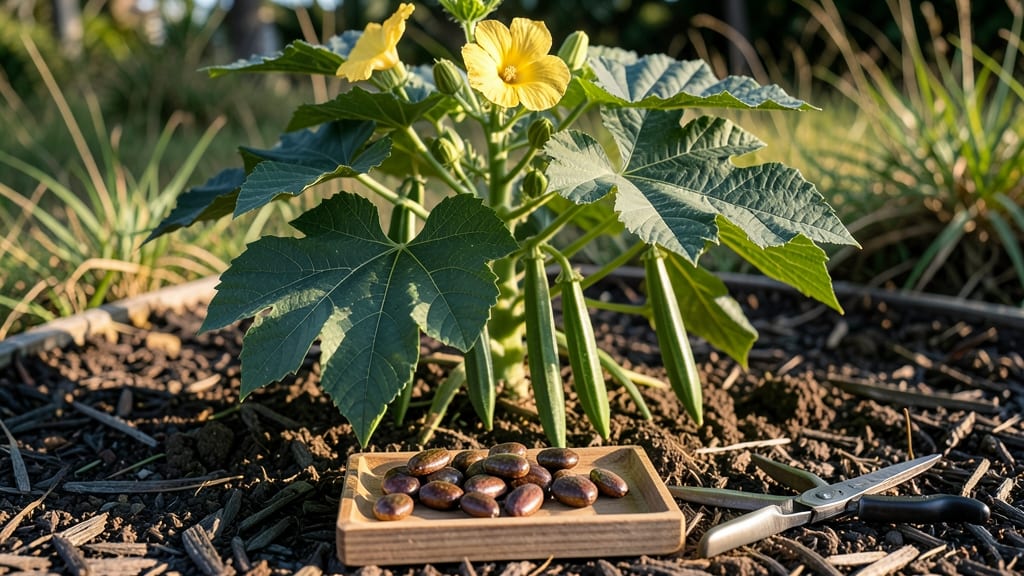
Planting okra seeds at the right time means the difference between a fast, bountiful harvest and seeds that never sprout.
Struggling to get your okra seeds to sprout? The secret isn’t just about timing—it’s about warm soil that triggers fast germination. Plant too early, and your seeds will rot; too late, and you’ll miss peak harvests.
In USDA Zone 6a and warmer, wait until after your last frost—typically May to June—when soil temperatures hit at least 60°F. Cold soil slows germination, while rushing it in chilly conditions guarantees failure.
Below, I’ll walk you through the exact soil temperature thresholds, regional adjustments, and pro tips to ensure your okra seeds sprout quickly and thrive all season long.
Best time to plant okra seeds by climate zone
Okra thrives in warm climates and demands soil temperatures above 70°F to germinate properly. In cooler zones, planting too early results in rotten seeds or stunted growth, while waiting too long cuts your harvest window short.
Let’s break down the ideal planting times by USDA zones 7-11 to maximize your okra yield.
Okra is a heat-loving annual that won’t tolerate frost. In USDA zones 7-9, focus on planting after your last frost date, typically between late April and early June.
For zones 10-11, you can plant year-round, but avoid heavy rains during germination. The key is soil warmth, not just air temperature.
Here’s how to align your planting with your local climate for fast germination and abundant harvests:
In USDA zones 7-8, where frost lingers longer, opt for direct sowing after Memorial Day. The soil must stay above 70°F for at least 10 days to avoid germination failure. If your spring is unpredictable, use black plastic mulch 2 weeks before planting to warm the soil faster.
For zones 9-11, you can plant okra year-round, but avoid the heaviest rain months (June-August in tropical zones). In Florida or Hawaii, succession planting every 2 weeks ensures a continuous harvest. Transplanting is safer in humid climates to prevent soil-borne diseases.
If you live in a short-season zone (like zone 7), choose compact varieties like 'Burgundy' or 'Clemson Spineless' for faster maturity. These varieties can be harvested in 50-55 days, giving you a small but reliable crop before fall frost.
One common mistake is planting too early in hopes of an extended season. Okra seeds won’t germinate below 60°F, and seedlings will wilt in cold snaps. Always check your local frost dates and adjust planting by 2-3 weeks later if your spring is cool.
For container growing, use large pots (10+ gallons) and plant after May 15 in zones 7-8. Containers warm up faster than garden beds, so you can plant 1-2 weeks earlier than in-ground okra. Just ensure pots have drainage holes to prevent root rot in humid climates.
Remember: Okra is a fast grower—once planted, it bolts to harvest in 50-60 days. Don’t wait until summer to start seeds; plan for early June planting in most zones to avoid missing the window. With the right timing, you’ll enjoy crisp, tender pods all summer long!
How to prepare soil and speed up okra germination
Okra seeds need warm soil to germinate quickly—ideally between 70°F and 90°F. If your soil is cool, germination can take 2-3 weeks or even fail. The key is prepping the soil 2-3 weeks before planting to create the perfect conditions.
Start by testing your soil’s pH level, which should be between 6.0 and 6.8 for okra to thrive.
Okra thrives in loamy, well-draining soil rich in organic matter. If your soil is heavy clay or sandy, amend it with compost or aged manure to improve fertility and moisture retention.
Avoid fresh manure, as it can burn seeds and seedlings. Work the amendments into the top 6-8 inches of soil to ensure roots have access to nutrients.
- 1 Warm the Soil: Use black plastic mulch or clear plastic tunnels to raise soil temps by 10-15°F. Remove mulch just before planting to avoid overheating seeds.
- 2 Plant Depth: Sow seeds ½ inch deep in rows 18-24 inches apart. Deeper planting slows germination, while shallower depths risk drying out.
- 3 Companion Plants: Pair okra with beans, peppers, or tomatoes to improve soil structure and deter pests. Avoid planting near cabbage or potatoes, which compete for nutrients.
- 4 Water Wisely: Keep soil consistently moist but not soggy. Use a soaker hose to avoid disturbing seeds. Germination slows if soil dries out.
If your seeds aren’t sprouting within 7-10 days, check for rotten seeds or cold soil. Place a soil thermometer in the ground to confirm temps are above 70°F.
If needed, cover the area with a clear plastic sheet for a few days to warm the soil faster. Avoid overwatering, as excess moisture can suffocate seeds.
For faster germination, try soaking seeds in warm water for 24 hours before planting. This softens the seed coat and jumpstarts the process. Plant in full sun and protect young seedlings from strong winds with a row cover until they’re established.
Mulch around plants with straw or grass clippings to retain moisture and regulate soil temperature.
Okra is a heat-loving plant, so don’t rush to harvest—let it grow for 60-80 days for the best pods. The longer you wait, the more tender and flavorful the okra becomes. With the right soil prep, you’ll see sprouts in 5-7 days and a bountiful harvest in no time!