
How To
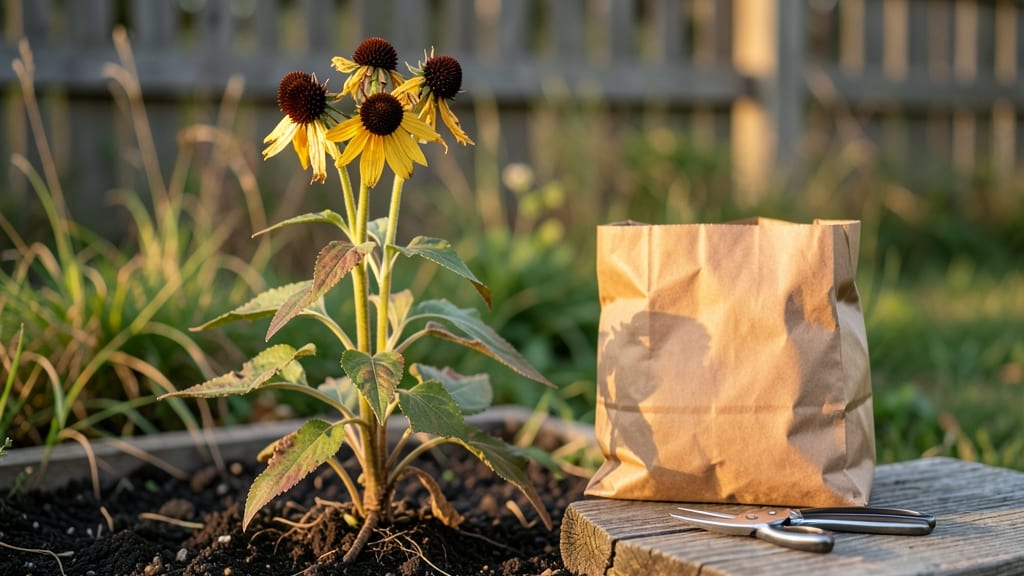
Harvesting rudbeckia seeds is the easiest way to grow next year’s free, vibrant 🌼 blooms—but timing and technique make all the difference.
Picture this: you’ve nurtured your rudbeckia all season, and now the dried flower heads are ready to release their seeds. But if you wait too long, they’ll scatter before you can collect them, or worse, mold in damp conditions.
The key is knowing exactly when to act—and how to store those seeds so they stay viable for planting.
Most gardeners overlook the late-summer to fall window (September–October) when rudbeckia seeds are at their peak, but missing it means starting from scratch next spring.
I’ll walk you through the step-by-step process, from identifying ripe seed heads to drying and storing them properly—so you can skip the seed packets and grow your own.
Ready to save money and ensure a bountiful garden next year? Let’s dive into the simple, foolproof method that’s worked for me—and thousands of other gardeners—every season.
When to harvest rudbeckia seeds: best timing for optimal viability
Timing is everything when harvesting rudbeckia seeds, and missing the perfect window means losing your hard-earned seeds to wind or spoilage. These cheerful Black-Eyed Susans produce seeds in late summer, but knowing exactly when to collect them ensures high germination rates for next year’s garden.
The key is watching for dried flower heads that rattle with seeds inside—this is your cue to act before they scatter.
Most rudbeckia varieties mature their seeds between September and October, but your local climate zone plays a huge role. In warmer zones (7-10), seeds may ripen as early as August, while cooler regions (USDA Zones 3-6) might need to wait until October or November.
Pay attention to the first frost date—harvest before temperatures drop below 40°F (4°C), as cold can damage seeds.
Here’s how to spot the ideal harvest moment: The petals will have fallen or turned brown, and the seed heads will look papery and dry. If you shake a mature head, you’ll hear seeds rattling inside—this is your green light to collect.
Waiting too long risks seeds spilling onto the soil, where they’ll lose viability or sprout prematurely.
| Stage | Visual Cues | Action | Climate Notes |
|---|---|---|---|
| Flower Wilting | Petals droop or fall off | Monitor for seed head drying | Start checking in late August |
| Seed Head Drying | Heads turn brown and papery | Shake to test for rattling seeds | Zones 7-10: Harvest by September |
| Seed Maturity | Heads split open; seeds loose | Collect immediately to prevent loss | Zones 3-6: Wait until October |
| Post-Harvest | Seeds dried and stored | Label and store in cool, dry place | Viability lasts 2-3 years if stored properly |
If you’re harvesting in humid climates, seeds may spoil faster due to mold risk. In these areas, collect seeds as soon as they’re dry and store them indoors with a silica gel packet to absorb excess moisture.
Conversely, dry climates can cause seeds to dry out too quickly—harvest in the morning when humidity is lowest to preserve their quality.
One common mistake is harvesting too early, when seeds are still green or firm. Immature seeds won’t germinate, so always wait until the seed heads rattle like a tiny maraca.
Pro tip: Use a paper bag to collect seeds—it catches any that fall while you’re harvesting, maximizing your yield without waste.
For bulk seed collection, focus on the tallest, healthiest plants first, as they often produce the most seeds. If you’re growing rudbeckia in containers, place a mesh bag under the plant to catch seeds as they mature.
This method works especially well for small-space gardens or balconies where wind dispersal is a concern.
Don’t forget to label your seeds with the harvest date and variety name. Over time, seed viability drops, so older seeds may germinate more slowly. Testing a few seeds in moist paper towels for a week can confirm their readiness for planting—if they sprout, you’re good to go!
In northern climates, where winters are harsh, aim to harvest seeds before the first frost. Even a light freeze can damage rudbeckia seed heads, reducing your chances of successful storage.
If frost is imminent, bring potted plants indoors or cover them with frost cloth until you can collect the seeds.
Finally, remember that patience pays off. Rushing the harvest can lead to low-quality
Step-by-step rudbeckia seed harvesting process for maximum yield
Harvesting rudbeckia seeds at the right time ensures strong germination rates and a healthy crop for next year. The key is patience—wait until the flower heads turn completely brown and the seed pods begin to crack open naturally.
If you harvest too early, seeds won’t be viable; too late, and they’ll scatter into the soil or attract pests. With the right approach, you can collect hundreds of seeds from a single plant!
Before you begin, gather your tools: a pair of clean pruning shears, a small paper bag or envelope for collection, and a drying tray or paper towels. Work on a dry day to prevent moisture from causing mold.
The process is simple but requires attention to detail—especially when dealing with brittle seed heads that can crumble at the slightest touch.
Step-by-Step Guide to Harvesting Rudbeckia Seeds
- 1 Identify mature seed heads: Look for fully brown flower heads where the seed pods are dry and brittle. Gently shake them—if seeds rattle inside, they’re ready.
- 2 Cut or twist off seed heads: Use clean pruning shears to snip the stems just above the base. Alternatively, twist the head gently to detach it—avoid pulling to prevent root damage.
- 3 Dry the seed heads: Lay them on a paper towel or drying tray in a well-ventilated area for 1–2 weeks. Avoid direct sunlight to prevent overheating.
- 4 Extract the seeds: Once completely dry, rub the seed heads between your palms or use a fine mesh sieve to separate seeds from chaff. Store seeds in a paper envelope or airtight container.
- 5 Label and store: Mark the envelope with the harvest date and rudbeckia variety (e.g., "Rudbeckia ‘Goldsturm’ 2024"). Store in a cool, dry place (like a seed vault or fridge) for up to 3 years.
If you notice mold or pests during drying, act fast! Move the seed heads to a dry, airy spot immediately and consider adding a silica gel packet to your storage container to absorb excess moisture.
Rudbeckia seeds are hardy, but humidity is their enemy—even a slight dampness can reduce germination rates by 50% or more.
For bulk collection, harvest seeds from multiple plants and mix them in a large tray before drying. This creates a diverse seed mix, which can lead to more robust plants next season. Just be sure to label each batch separately if you’re saving different rudbeckia varieties.
With these steps, you’ll have a reliable seed supply year after year—no need to buy new plants! Plus, homegrown rudbeckia seeds often adapt better to your local climate, resulting in even more vibrant blooms. Happy harvesting! 🌼