
How To
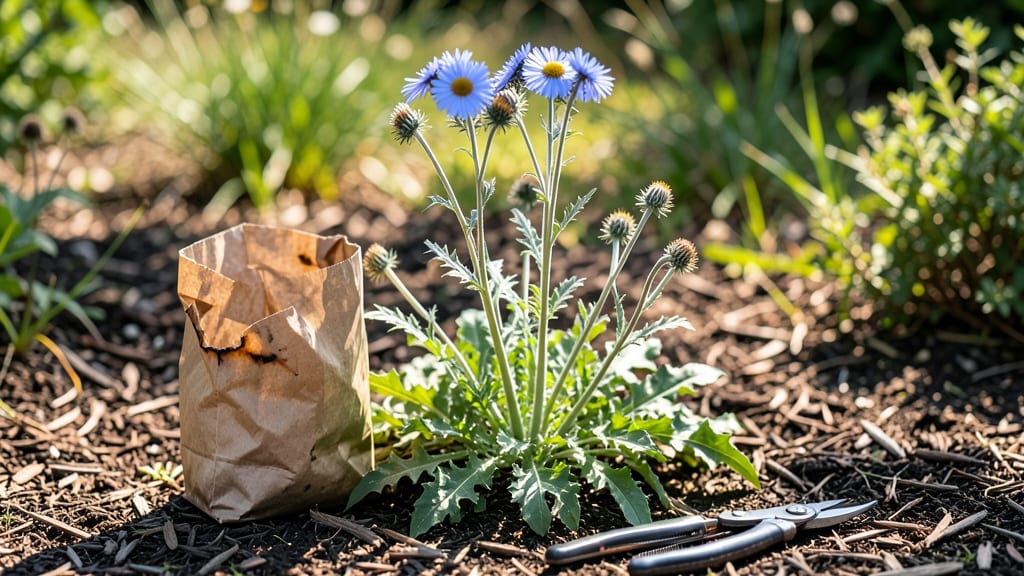
Harvesting chicory seeds at the right time ensures you save viable, high-quality seeds for next year’s garden 🌱 — but timing and technique make all the difference.
Chicory’s delicate blue flowers may seem ephemeral, but their seeds hold the key to next year’s thriving plants—if you harvest them at the right time and with the right technique.
Too early, and you’ll end up with damp, moldy seeds. Too late, and they’ll scatter across the garden before you even notice. The secret lies in watching for those brown, dry flower heads that rattle with seeds inside, a sure sign it’s time to act.
In this guide, I’ll walk you through the exact steps to harvest, dry, and store chicory seeds—plus the common mistakes that ruin even the best-intentioned harvests. Ready to save your own seeds?
When to harvest chicory seeds: timing matters for maximum viability
Timing is everything when harvesting chicory seeds. Miss the window, and you risk collecting seeds that won’t germinate—or worse, losing them entirely to wind or rain.
The key is watching for flower head changes from vibrant blue to dry brown, a process that typically occurs in late summer to early fall, depending on your USDA zone.
Chicory plants usually flower between July and August, but your exact harvest window depends on your region. In warmer climates (Zones 8-10), you might start seeing dry flower heads as early as mid-August, while gardeners in cooler Zones 3-6 may need to wait until late September.
Here’s my pro tip: Start monitoring your plants daily once the first flowers open. Look for seed pods turning brown and becoming brittle—this is your cue that the seeds are ready. If you wait too long, the pods may shatter and scatter seeds before you can collect them.
Weather plays a critical role too. Avoid harvesting after rain, as moisture can cause mold or premature seed drop. Aim for dry, sunny days with temperatures between 65°F and 75°F for the best results.
In cooler climates (Zones 3-5), chicory may not fully mature before the first frost. If your plants are still green by mid-September, consider covering them with a frost blanket to extend the season. This can buy you an extra 2-3 weeks to harvest seeds.
For gardeners in warmer zones (8-10), the challenge is often overripening. Chicory seeds can lose viability if left too long on the plant. If you’re in a hot climate, prioritize harvesting by mid-September to avoid this issue.
One of my biggest lessons? Don’t rely on a single day for harvest. Chicory flower heads mature at different rates, so check your plants every 2-3 days once they start turning brown. This ensures you catch all the seeds before they drop.
Proper timing also means avoiding humidity-related issues. If your area is prone to morning dew or frequent rain, harvest in the late morning or early afternoon when pods are fully dry. This reduces the risk of mold during storage.
Finally, keep an eye on wild chicory if you’re growing in a natural setting. Cross-pollination can lead to mixed seed batches. To prevent this, isolate your plants by at least 10 feet from wild chicory or use pollination bags if you’re growing for seed purity.
With the right timing and attention to detail, you’ll have a high-quality seed stash ready for next year’s garden. The effort pays off in healthier, more vigorous plants and a more predictable harvest! 🌱
Step-by-step chicory seed harvesting process: from flower to seed pod
Once you’ve identified your chicory flowers are ready for seed collection, the next step is harvesting them properly to ensure viable seeds for next year.
The process is simple but requires patience and attention to detail. Timing is everything—harvest too early, and the seeds won’t mature; too late, and they’ll scatter on their own.
I’ve found that early morning harvests yield the best results, as the dew is minimal and the flower heads are crisp and dry.
Gather your tools: a pair of clean, sharp pruning shears, a paper bag or envelope for collection, and a flat surface for drying. If you’re harvesting a large quantity, consider using a seed-saving tray lined with parchment paper.
The goal is to collect the dried seed heads without damaging them, so handle them gently. Remember, chicory seeds are lightweight, so avoid shaking them out prematurely.
- 1 Identify Mature Seed Heads
- 2 Cut or Snap Off Seed Heads
- 3 Dry the Seed Heads
- 4 Extract the Seeds
- 5 Label and Store Seeds
Look for brown, dry flower heads that have turned completely from blue. The seed pods should be crisp and brittle, and seeds should rattle when shaken gently. Avoid heads that still have green or moist areas.
Use clean pruning shears to cut the seed heads just above the stem attachment point. Alternatively, snap them off by hand if the stems are woody and dry. Place each head in a paper bag immediately to prevent seeds from scattering.
Spread the heads on a clean, dry surface in a well-ventilated area away from direct sunlight. This prevents overheating and mold growth. For faster drying, use a dehydrator set to 95°F (35°C) for 2-4 hours, or hang them upside down in small bundles.
Once the heads are completely dry, rub them between your hands or use a seed thresher to release the seeds. Sift the mixture through a fine-mesh screen or sieve to separate seeds from chaff. Store seeds in a paper envelope or airtight container.
Label your seeds with the harvest date and variety name using a permanent marker. Store them in a cool, dry place at 35-40°F (2-4°C) for up to 2 years. Avoid plastic containers, as they trap moisture and reduce viability.
After harvesting, I always test a few seeds by planting them in a small pot to confirm their germination rate. This helps me gauge the success of my seed-saving efforts. If the seeds sprout within 10-14 days, they’re ready for next year’s garden.
If not, I’ll adjust my drying or storage methods for the next batch. Patience is key—rushing the process can lead to poor-quality seeds.
One tip I’ve learned is to harvest chicory seeds on a dry, sunny day to minimize humidity. If rain is forecasted, bring your seed heads indoors immediately to avoid mold.
I also recommend harvesting in small batches to ensure all seeds reach maturity at the same time. This consistency is crucial for a successful seed harvest every year. 🌱