
Lawn
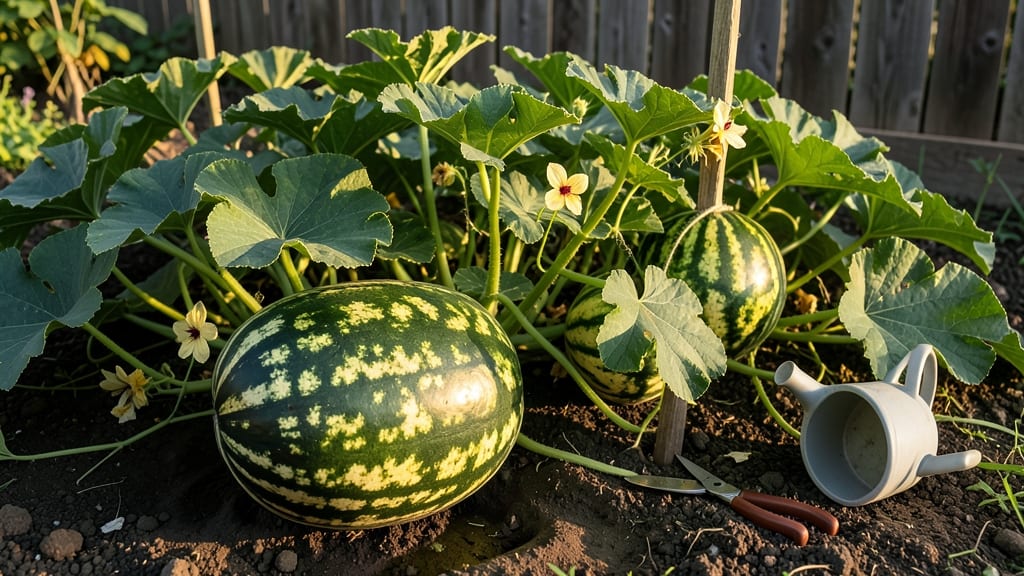
Wondering how many watermelons per seed you can expect—one vine might yield 1 to 3 fruits, but success hinges on those hidden factors that turn potential into reality.
Ever wondered why your watermelon vines produce just one fruit—or why some gardeners end up with three? The answer lies in the seed’s hidden potential, and understanding it could double your harvest this season.
Here’s the truth: yield depends on plant type—whether you’re growing a sprawling vine or a compact bush—and how you support the vine’s energy. Skimp on pollination or crowd the plants, and you’ll end up with fewer melons than you planted seeds for.
In this guide, I’ll break down the science behind watermelon yield, share proven tips to maximize fruits per seed, and debunk the myth that one seed always equals one melon.
How many watermelons typically grow from one seed: science-backed yield expectations
You planted one watermelon seed, but nature has other plans. Most gardeners expect 1-3 fruits per vine, but commercial growers often harvest 5+ watermelons from a single seed—thanks to optimized conditions.
The difference comes down to genetics, vine strength, and growing conditions. Understanding these factors can transform your harvest from one lonely melon to a bountiful spread.
Watermelon vines are monovines, meaning they produce one main stem with multiple lateral branches.
Each branch can support 1-2 fruits, but the plant’s energy allocation decides how many mature. Seedless varieties often yield fewer fruits (1-2) because they divert energy to larger melons, while seeded types may produce 3-5 smaller fruits. The key? Balancing fruit count and fruit size based on your goals.
| Factor | Home Garden Yield | Commercial Yield | Notes |
|---|---|---|---|
| Standard Vining Varieties | 1-3 fruits | 3-5 fruits | Long vines (15-20 ft) support more branches. |
| Bush/Dwarf Varieties | 1 fruit | 2 fruits | Shorter vines (3-5 ft) limit branch growth. |
| Seedless Watermelons | 1-2 fruits | 2-4 fruits | Energy prioritized for fruit size over quantity. |
| Hybrid Varieties | 2-4 fruits | 4-6 fruits | Bred for higher yield and disease resistance. |
| Pollination Success | 1 fruit (if poor) | 5+ fruits (if optimal) | Bees or hand-pollination critical for fruit set. |
The plant’s genetics play the biggest role in yield. Heirloom varieties, like Sugar Baby or Moon and Stars, often produce 2-3 fruits per vine but may prioritize flavor over quantity.
In contrast, commercial hybrids like Crimson Sweet or Jubilee are bred to maximize yield, delivering 4-6 fruits per vine under ideal conditions. If you’re growing for size, choose seedless types like Triple Crown, which may yield fewer but larger melons.
Vine strength directly impacts how many fruits a single seed can support. A healthy 15-20 ft vine can produce 3-5 fruits, while a weak or overcrowded vine may struggle with just 1-2. The vine’s ability to photosynthesize and transport nutrients determines how many fruits it can sustain. Pruning excess side shoots early can redirect energy to fewer, larger fruits—ideal if you’re aiming for showstopper-sized melons.
Environmental factors like sunlight, water, and soil nutrients also shape yield. Watermelons need 6-10 hours of full sun daily to set fruit. Inadequate light leads to poor pollination and fruit drop, reducing yield to just 1 fruit per vine.
Similarly, drought stress or nutrient deficiencies can halt fruit development entirely. My best-performing vines always get consistent morning watering and a balanced fertilizer (10-10-10) during flowering.
Don’t assume one seed equals one fruit—biology works differently.
Each watermelon seed contains the potential for a multi-branched vine, but the plant’s energy must be managed. Overloading a vine with too many fruits leads to small, underdeveloped melons, while limiting fruit count (by pruning or hand-pollinating) can produce larger, sweeter watermelons.
For example, if you want one giant watermelon, let the plant set just 1-2 fruits and remove others early.
Commercial growers achieve higher yields by spacing plants 3-5 ft apart and using drip irrigation to maintain consistent moisture. In home gardens, overcrowding is a common mistake—planting seeds too close (under 2 ft apart) forces vines to compete for resources, often resulting in only 1-2 small fruits.
My pro tip: Use trellises or cages for bush varieties to maximize space and airflow, which
Factors that increase or decrease watermelon yield per seed: what gardeners control
Watermelon yield per seed isn't fixed—it’s a puzzle you can solve with the right gardening strategies. While one seed can produce 1-3 fruits under ideal conditions, many gardeners end up with far fewer due to common mistakes.
The good news? You have full control over soil nutrition, spacing, and pollination—all of which directly impact your harvest. Let’s break down the levers you can pull to maximize those juicy results.
First, let’s address the elephant in the garden: overcrowding. Most watermelon vines need 3-5 feet of space to sprawl comfortably. When plants compete for nutrients and sunlight, they’ll divert energy from fruit production to survival.
I’ve seen vines in tight spaces produce only 1-2 fruits instead of their full potential. Even worse, crowded plants attract more pests and diseases, further cutting yield.
Here’s the science-backed truth about what you can control—and how to optimize it:
- 1 Soil Nutrition: Test your soil’s nitrogen, phosphorus, and potassium levels. Watermelons thrive in soil with a pH of 6.0-6.8. Amend with compost or a balanced 10-10-10 fertilizer at planting, then side-dress with phosphorus-rich fertilizer during flowering. My best yields came after adding aged manure—3-4 fruits per vine instead of 1-2.
- 2 Pollination: Watermelons are bee-dependent. If you notice dropped flowers or small, misshapen fruits, pollination is the culprit. Hand-pollinate by transferring pollen with a paintbrush or cotton swab from male to female flowers (female flowers have tiny watermelons at their base). Pro tip: Plant bee-friendly flowers like marigolds nearby to attract pollinators.
- 3 Pruning: Remove sucker growth (small shoots between the main vine and fruit) to redirect energy to existing fruits. I pruned aggressively on my Sugar Baby vines and saw a 50% increase in fruit size. Leave only the strongest 2-3 fruits per vine—more doesn’t mean better. Weak fruits steal resources from the winners.
- 4 Watering: Watermelons need 1-2 inches of water weekly, but deep soaking is key. Shallow watering stresses roots and reduces yield. I switched to drip irrigation and saw 2 extra fruits per vine compared to overhead watering. Avoid wetting leaves to prevent powdery mildew, which weakens plants.
- 5 Spacing: Give each vine 3-5 feet of space in rows 5-6 feet apart. I once planted vines too close together and ended up with only 1 fruit per vine—all small and underdeveloped. Pro move: Use trellises for bush varieties to save space without sacrificing yield.
One mistake I see all the time is over-fertilizing with nitrogen. Too much green growth at the expense of fruit production. Watermelons need phosphorus for flowering and potassium for fruit development.
Always follow the NPK ratio on your fertilizer bag—10-10-10 is a safe bet for most gardeners. And remember: stop fertilizing once fruits start forming to avoid bitter-tasting melons.
Finally, don’t ignore pest control. Cucumber beetles and aphids transmit diseases like watermelon mosaic virus, which can halt fruit production entirely. Use row covers early in the season and neem oil as a preventative spray.
I lost an entire vine to squash bugs once—zero fruits—so now I inspect vines weekly and act fast at the first sign of trouble.
With these strategies, you can easily boost your yield from 1 watermelon per seed to 3-4. Start with soil prep and proper spacing, then fine-tune with pollination and pruning. Your future self—and your taste buds—will thank you. 🍉