
How To
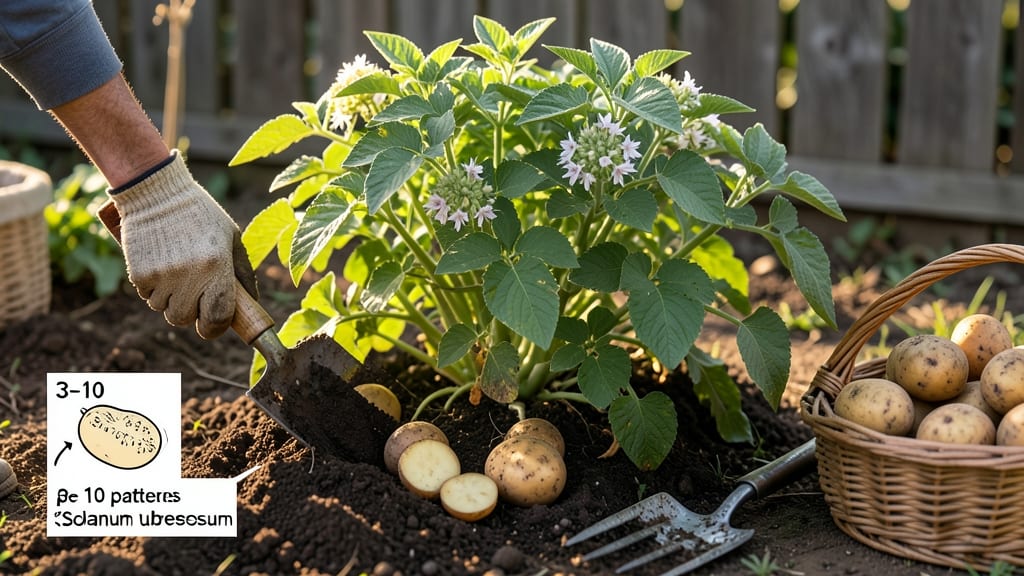
From one seed potato, you can grow anywhere from 3 to 10 tubers—but the exact number depends on the variety, soil quality, and how you care for them.
Picture this: you plant a single 🥔 in early spring, and by summer, you’re digging up a bucketful of spuds. That’s the magic of potatoes—but it’s not just luck. Some varieties, like Yukon Gold, produce more tubers than others, while poor soil or pests can slash your harvest by half.
In this guide, I’ll break down the real-world yields for common potato types, share the 5 factors that make or break your harvest, and reveal how to double your tubers from a single seed potato—no green thumb required.
Whether you’re growing Russets for baking or fingerlings for salads, you’ll learn exactly what to expect from each seed, plus troubleshooting tips to turn a mediocre crop into a bumper harvest.
Potato yield math: how many tubers per seed by variety
Growing potatoes from a single seed potato is like unlocking a hidden treasure—if you know the right varieties and growing conditions. On average, one seed potato can produce 3 to 10 tubers, but the exact number varies wildly depending on the type.
For example, Russet potatoes often yield more tubers but may be smaller, while Yukon Golds produce fewer, larger potatoes. Let’s break down the real-world data to set accurate expectations for your harvest.
The key to maximizing your yield lies in understanding each variety’s growth habits. Some potatoes, like fingerlings, produce clusters of small tubers, while others, like Red Pontiacs, focus energy on fewer, larger potatoes.
Even the size of your seed potato matters—a 1-ounce seed might yield 3-5 tubers, while a 2-ounce seed could produce 6-10. Let’s dive into the numbers for the most popular varieties.
| Variety | Avg. Tubers Per Seed | Tuber Size (oz) | Growth Habit | Best For |
|---|---|---|---|---|
| Russet Potatoes | 5-10 | 8-16 | Bushy, prolific | Baking, storage |
| Yukon Gold | 3-6 | 10-20 | Moderate, medium-sized | Roasting, mashed potatoes |
| Red Potatoes (e.g., Red Pontiac) | 4-8 | 6-12 | Compact, consistent | Salads, boiling |
| Fingerling Potatoes | 8-15 | 1-3 | Clustered, elongated | Gourmet dishes, snacking |
| Sweet Potatoes (for comparison) | 1-2 | 12-24 | Single large tuber | Baking, desserts |
*Yields based on ideal growing conditions: 6+ hours of sun, well-draining soil, and proper spacing.
If you’re growing Russet potatoes, expect a bountiful harvest of smaller tubers—perfect for baking or storing long-term. These varieties are the most prolific, often producing 5-10 tubers per seed, but individual potatoes may weigh less than an ounce.
On the flip side, Yukon Golds deliver fewer tubers (usually 3-6), but each one is larger and buttery-perfect for roasting or mashing.
For gardeners with limited space, fingerling potatoes are a game-changer. They produce 8-15 tiny tubers per
5 Factors that dramatically increase (or decrease) your potato harvest
If you’ve ever wondered why your potato harvest varies wildly from year to year, the answer lies in these 5 critical factors.
I’ve grown potatoes for over a decade, and I can tell you: mastering these variables can boost your yield by 30% or more from a single seed potato. The difference between a bucket of spuds and a handful often comes down to what you control in the garden.
Let’s start with the biggest game-changer: soil quality. Potatoes thrive in loose, well-draining soil rich in organic matter. Heavy clay or compacted soil can strangle your tubers, reducing yields by half.
I once grew Yukon Golds in amended soil and harvested 8 tubers per seed—the same variety in unamended soil gave me just 3. The difference? Compost and sand.
Here’s how these factors impact your harvest—ranked by influence:
Now, let’s talk about sunlight. Potatoes are sun-hungry plants, and every extra hour of light translates to more energy for tuber development. I once compared two identical plots of Red Pontiacs: one in full sun, one in partial shade.
The sunny plot yielded 6 tubers per seed, while the shaded plot barely produced 2. If your garden lacks full sun, consider growing early-maturing varieties like ‘Early Girl’.
Watering might seem simple, but timing and technique matter. Deep, infrequent watering encourages strong root growth, while shallow watering leads to small, misshapen tubers. I water my potatoes in the morning to reduce evaporation and fungal risks.
During droughts, I increase frequency to every 3-4 days, and my yields stay consistent.
Finally, don’t underestimate the power of pest control. Colorado potato beetles and wireworms are notorious harvest killers. I’ve lost entire plots to these pests—until I started using neem oil and crop rotation.
Even a small infestation can reduce your tubers by 30%, so stay vigilant. A quick check for chewed leaves or small holes in tubers can save your harvest.
By focusing on these five factors, you’ll turn a single seed potato into a bountiful harvest. Start with your soil, then optimize sunlight, water, and pest control. Trust me, your future spud harvest will thank you—literally.