
How To
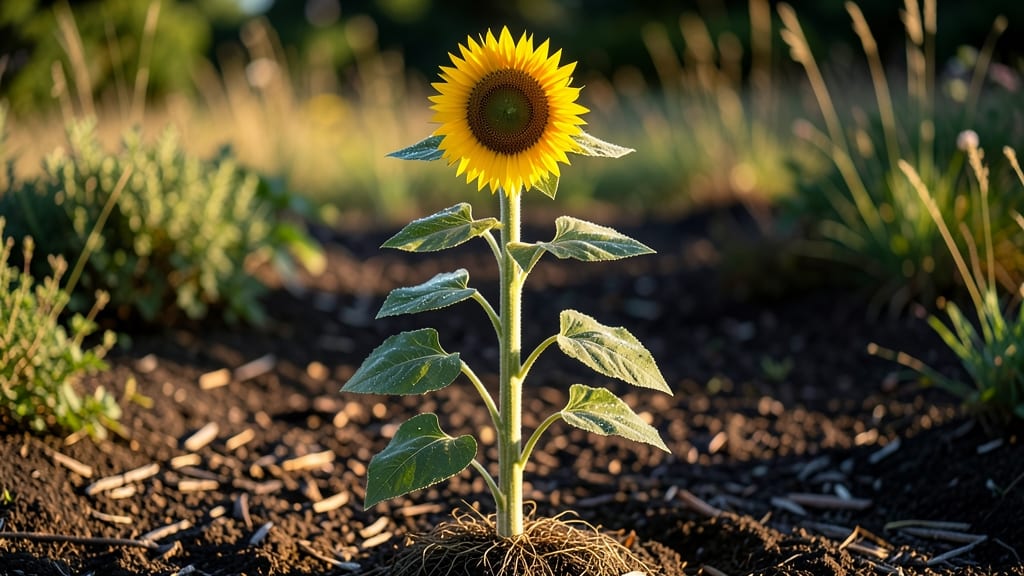
Planting one or two sunflower seeds per hole is the golden rule for strong stalks and fewer weaklings 🌻 — but get it wrong, and you’ll end up with a patch of scraggly stems fighting for space.
I’ve watched dozens of seedlings compete for sunlight, only to see the strongest one win while the rest lean and snap under their own weight. That’s why spacing matters more than you’d think — and it starts with how many seeds you drop in each hole.
Whether you’re growing dwarf varieties for containers or towering giants for cut flowers, the right seed count per hole makes all the difference. Too few, and you waste seeds; too many, and you’ll spend weeks thinning.
I’ll break down the exact numbers, depth, and spacing to give your sunflowers the best shot at reaching their full height.
From Zone 6a’s spring planting window to summer harvests, these tips will help you avoid the most common mistakes — and end up with a field of sunflowers that actually lives up to their promise.
Optimal sunflower seed spacing for maximum growth: how many seeds per hole?
Sunflowers thrive when planted with precision, and the number of seeds per hole directly impacts their stalk strength, bloom size, and overall yield. Most gardeners debate whether to plant one or two seeds per hole, but the answer depends on your sunflower variety and growing conditions.
For dwarf varieties, spacing is tighter, while giant sunflowers need more room to avoid competition.
Research shows that planting two seeds per hole increases germination success by up to 30%, especially in cooler climates where seeds may struggle to sprout. However, this method requires thinning seedlings later to prevent overcrowding.
The key is balancing seed density with root space—too many seeds compete for nutrients, while too few risk wasted holes.
Depth matters just as much as spacing. Plant seeds 1 inch deep in loose, well-draining soil. Press the soil gently around the seeds to ensure moisture contact without burying them too deeply, which can delay germination.
For containers or small gardens, deeper planting (up to 1.5 inches) helps retain moisture in hot climates.
Here’s how spacing affects growth: Dwarf sunflowers (1-3 feet tall) can handle 6-12 inches between holes, while standard varieties (8-16 feet tall) need 18-24 inches to develop strong stalks.
Giant sunflowers often require 36 inches or more to avoid leaning or breaking under their own weight.
🌻
For giant sunflowers, planting just one seed per hole is critical to avoid weak stalks that snap under their own weight. These varieties need deep, nutrient-rich soil and staking support from early on.
If you’re growing for seed production, wider spacing ensures better air circulation, reducing the risk of fungal diseases like powdery mildew.
In cooler climates (Zones 3-5), planting two seeds per hole is a smart backup strategy. If one seed fails to germinate, the second ensures you don’t lose the hole entirely.
After seedlings emerge, thin to the strongest, healthiest plant by snipping the weaker stem at soil level with clean scissors. This minimizes root disturbance.
Pro tip: Use a seed spacing template or string lines in your garden bed to maintain even distances. Mark rows with wooden stakes or flags to avoid overcrowding, especially when planting multiple varieties. Overcrowding leads to pale, leggy stalks with smaller blooms—a common mistake even experienced gardeners make.
🪴
If you’re growing sunflowers in containers or small spaces, opt for dwarf or semi-dwarf varieties and plant two seeds per hole spaced 6 inches apart. Once the seedlings are 4-6 inches tall, thin to one per container.
Larger pots (12+ inches wide) can accommodate one standard sunflower, but expect slower growth due to root restriction.
Remember, soil quality plays a role too. Amend your soil with compost or aged manure before planting to provide the phosphorus and potassium sunflowers crave for strong roots and blooms. Test your soil’s pH—sunflowers prefer a neutral to slightly alkaline range (6.0-7.5).
When to plant multiple seeds vs. single seeds: pro tips for healthy sunflowers
Deciding whether to plant one sunflower seed or multiple seeds per hole can make or break your harvest. For giant varieties, I always plant 2-3 seeds per hole to ensure at least one strong seedling survives.
This method gives you a backup if one seed fails to germinate, especially in cooler climates where germination rates drop.
However, for dwarf or semi-dwarf sunflowers, planting 1 seed per hole is ideal. These varieties grow densely, and crowding can stunt their growth. The key is balancing your seed count with your garden space and climate zone—more seeds mean more competition for nutrients and sunlight.
When to Plant Multiple Seeds
- 🌱 Cool climates (Zones 3-5): Plant 2-3 seeds per hole to offset slower germination.
- 🌡️ Short growing seasons: Extra seeds ensure at least one thrives before frost.
- 🪴 Giant sunflower varieties: Needs backup seeds for strong stalks (e.g., 'Mammoth' or 'Russian Giant').
- 💧 Poor soil conditions: Compensate for lower germination rates with 2 seeds.
When to Plant Single Seeds
- 🌿 Dwarf/semi-dwarf varieties: Space 1 seed every 6 inches (e.g., 'Teddy Bear').
- ☀️ Warm climates (Zones 7-10): High germination rates mean 1 seed per hole suffices.
- 📏 Tight garden spaces: Maximize spacing by planting singles (e.g., containers or small plots).
- 🌾 Seed-saving goals: Single plants produce purer genetics for heirloom seeds.
After germination, thin seedlings to the strongest plant per hole. Use sharp scissors to snip at soil level—never pull—to avoid disturbing roots. For multiple seeds, wait until seedlings are 3-4 inches tall before thinning. This gives weaker plants time to develop some root strength before removal.
In USDA Zones 6-9, I’ve found that planting 2 seeds per hole for standard varieties (like 'Autumn Beauty') works best. The extra seed acts as insurance, but I still thin aggressively to prevent overcrowding. Always space rows 2-3 feet apart to allow airflow and reduce disease risk.
For container gardening, stick to 1 seed per 5-gallon pot. Sunflowers need deep roots, and multiple seeds in small pots lead to stunted growth. If you’re growing for seed production, isolate single plants to avoid cross-pollination and ensure pure varieties.
Pro tip: Mark your rows with bamboo stakes to track thinning progress. This helps you visualize spacing and ensures you don’t accidentally pull the wrong seedling. With the right approach, your sunflowers will grow taller, straighter, and more vibrant than ever before! 🌻