
How To
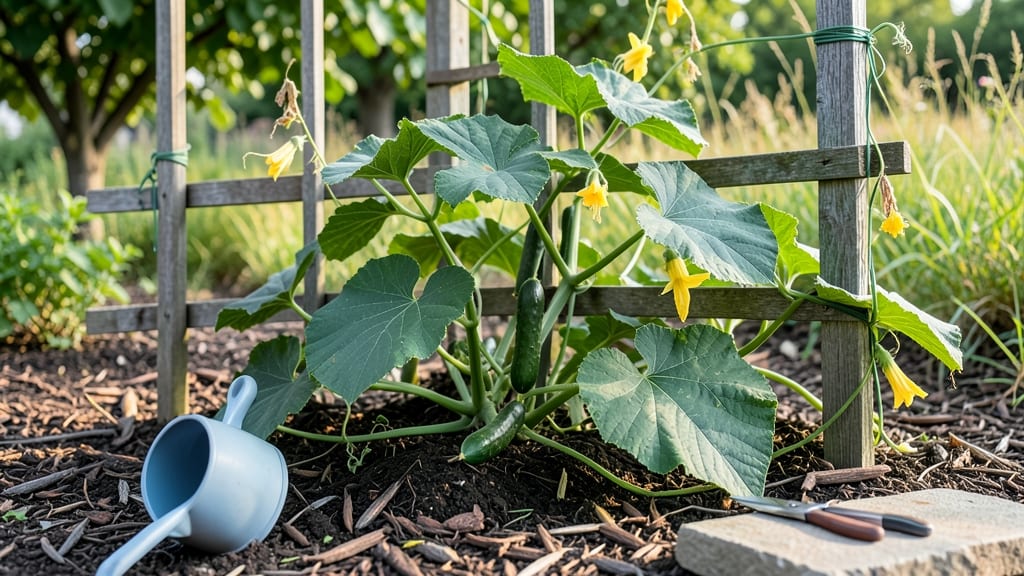
Planting 2 to 3 cucumber seeds per hole is the sweet spot for bigger harvests and healthier vines, but too many seeds in one spot can backfire with tangled roots and wasted space.
Picture this: you’ve spent weeks waiting for those first 🥒 sprouts to break through the soil, only to watch them compete for sunlight and nutrients—ending up stunted or diseased. Or worse, you’ve thinned too aggressively, leaving gaps in your garden where cucumbers could’ve thrived.
This guide cuts through the guesswork, showing you the exact spacing rules for bush vs. vining varieties, how to adjust for heirloom seeds, and when to thin for maximum yield. No more second-guessing in the planting zone!
You’ll also discover how to squeeze more cucumbers into small gardens, avoid the #1 spacing mistake that kills yields, and even troubleshoot if your seeds aren’t germinating like they should.
Optimal cucumber seed count per hole by variety type
Getting the cucumber seed count per hole right depends entirely on whether you're growing bush varieties or vining types. Planting too many seeds in one spot creates competition for nutrients, while planting too few wastes precious garden real estate.
The science behind seed density focuses on maximizing germination success (typically 50-80% for fresh seeds) while ensuring each plant has room to thrive.
For most heirloom cucumbers and hybrid varieties, the sweet spot is 2-3 seeds per hole. This accounts for uneven germination and gives you a backup plant if one seedling fails to emerge.
The extra seed also helps compensate for seedling mortality from pests like cutworms or fungal diseases during the early stages.
Here's where variety type matters most: Bush cucumbers (like 'Bush Champion') need slightly tighter spacing since they stay compact, while vining types (like 'Straight Eight') require more room for their sprawling growth habits.
The seed-to-hole ratio directly impacts your final yield—overcrowding reduces fruit size by up to 30%, while proper spacing boosts air circulation and disease resistance.
Hybrid varieties often require 3 seeds per hole because their disease resistance makes them better candidates for slightly denser planting. I've found that hybrids like 'Dasher II' thrive with this approach, especially in cooler climates where germination rates might dip below 60%.
The extra seed acts as insurance against seedling failure during unpredictable weather.
Thinning is where many gardeners make mistakes. After your seedlings have 2-3 true leaves, thin to the strongest plant per hole. This might mean removing one or even two seedlings if germination was prolific.
The key is to leave enough space for the remaining plant to develop a strong root system—overcrowding leads to yellowing leaves and poor fruit production.
For container gardening, reduce the seed count to 1 seed per 5-gallon pot maximum. In small spaces, prioritize bush varieties or dwarf hybrids like 'Spacemaster' that naturally stay compact.
The seed depth remains critical too: plant seeds 1 inch deep in loose, well-draining soil to prevent rot and encourage straight upward growth.
One pro tip I've learned from trial and error: Label your holes before planting. Cucumber varieties have wildly different maturity times (45-70 days), and mixing them up can lead to confusion during harvest.
For example, 'Straight Eight' needs 60 days to fruit, while 'Bush Champion' matures in just 50 days—planting them together means the bush type will be ready first.
Finally, consider your local climate conditions. In hot, dry regions, slightly wider spacing (up to 12 inches between plants) improves air flow and reduces powdery mildew risk. In cooler areas, you can plant seeds a bit closer since vines grow more slowly.
Always monitor your plants' leaf color—dark green indicates healthy growth, while yellowing suggests overcrowding or nutrient deficiency.
Experiment with these ratios in your own garden, and don't forget to keep a planting journal. Tracking which seed counts work best in your specific microclimate will help you refine your approach year after year—leading to those bountiful harvests we all dream of. 🥒
Spacing mistakes that shrink your cucumber harvest
Cucumber plants thrive when given the right space to spread their vines and develop strong roots. But many gardeners make critical spacing mistakes that lead to stunted growth, reduced yields, and even increased disease.
The most common error? Planting too many seeds per hole without considering the mature plant size or variety type. These oversights create competition for nutrients and sunlight, leaving your cucumbers weak and vulnerable.
Even if you plant the correct number of seeds (usually 2-3 per hole), improper spacing between holes can turn your garden into a pest magnet. Crowded plants trap moisture, creating the perfect conditions for powdery mildew and bacterial wilt.
Meanwhile, plants spaced too far apart waste precious garden real estate and fail to maximize your harvest potential. The key is balancing seed density per hole with inter-hole spacing for optimal vine development.
⚠️ callout warning ⚠️
Never plant more than 3 seeds per hole—even for vining varieties. Most cucumber seeds won't germinate (typically 60-80% success rate), so 2-3 seeds give you 1-2 strong plants per hole without overcrowding. After germination, thin to the healthiest plant to prevent competition.
Pro Tip: Mark seed holes with sticks or labels to avoid confusing rows during thinning. Use sharp scissors to snip unwanted seedlings at soil level—never pull, which disturbs roots.
One of the biggest yield-killers is over-thinning too late. If you wait until cucumber vines are already established before removing excess plants, you create root damage and stress that never fully recovers.
The ideal time to thin is when seedlings have 2-4 true leaves—this gives roots enough time to adjust to their new space. For bush varieties, leave 1 plant per hole, while vining types can handle 1-2 plants if given proper trellis support.
Poor spacing also disrupts air circulation, a silent harvest killer. When cucumber leaves brush against each other, they create humid microclimates that trap fungal spores. I've seen entire rows of $20 heirloom cucumbers lost to powdery mildew because gardeners packed plants too tightly.
The fix? Space holes 3-6 inches apart in rows that are 3-4 feet apart. This creates airflow while still maximizing your garden's footprint.
Don't make the mistake of assuming all cucumbers have the same spacing needs. Bush varieties (like 'Bush Champion') need tighter spacing (12-18 inches apart), while vining types (like 'Straight Eight') require 3-4 feet between rows to accommodate their sprawling growth habits.
Even within the same variety, container-grown cucumbers need different spacing than in-ground plants—typically 1 plant per 5-gallon container with vertical support.
Remember, proper spacing isn't just about yield—it's about plant longevity. Well-spaced cucumbers develop stronger root systems, produce larger fruits, and resist diseases better than crowded counterparts.
The 3-6 inch seed hole spacing combined with proper row distances creates the perfect environment for cucumbers to thrive from seed to harvest. When done right, you'll see 30-50% more cucumbers per plant with fewer pests and diseases to fight.