
How To
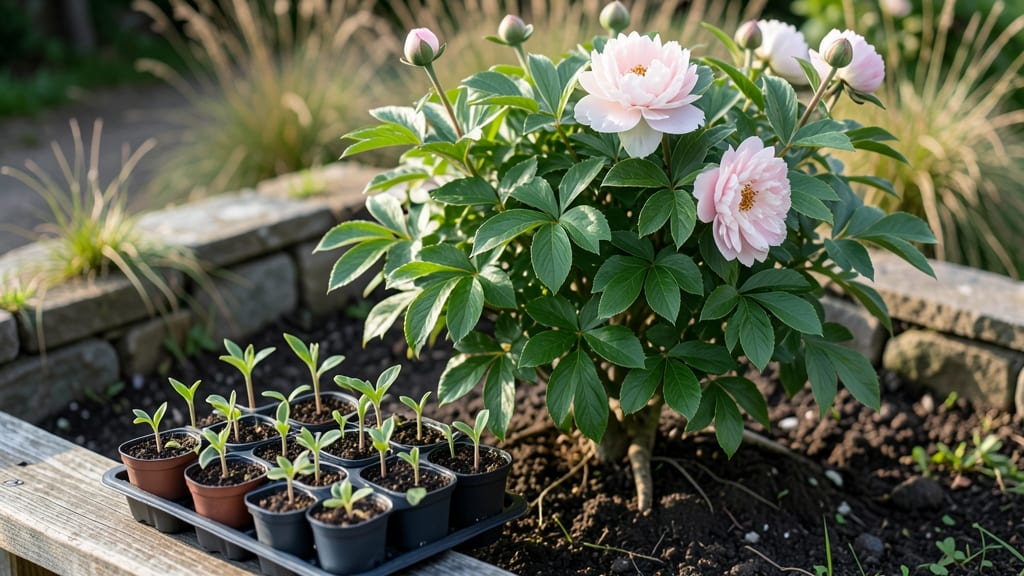
Growing peonies from seed takes 5 to 7 years to reach those coveted blooms, a timeline that surprises even patient gardeners.
You’ve sown the tiny seeds, waited through the slow germination, and nurtured fragile seedlings—only to watch them grow into sturdy plants without a single flower. That’s because peonies 🌸 prioritize root development over blooms, and the first flush of flowers is a milestone worth the wait.
In this guide, I’ll break down the exact stages of peony growth from seed to bloom, including how to spot healthy progress, troubleshoot delays, and even shave off a year or two with the right care.
By the end, you’ll know whether your 3-year-old seedlings are on track, why some never bloom, and the one trick that might bring those flowers just a little sooner.


Peony seed germination timeline: weeks to first green shoots
Growing peonies from seed is a marathon, not a sprint—expect 3 to 7 years until those coveted blooms appear. But the journey starts with the germination phase, where patience and proper conditions make all the difference.
Unlike peony tubers, which bloom faster, seeds require careful stratification and precise care to break dormancy. Let’s break down what to expect week by week, from seed to those first green shoots that signal success.
Peony seeds need stratification—a cold period—to mimic natural winter conditions. This process typically takes 60 to 90 days in the fridge (around 35–45°F). Without it, seeds may never sprout. Once stratified, germination can take 2 to 4 weeks under ideal conditions.
But rush it, and you risk weak seedlings or no sprouts at all. Think of it like teaching a seed to "wake up" slowly—too fast, and it gets confused.
Here’s the critical timeline for peony seed germination, from stratification to first true leaves:
| Stage | Duration | Conditions | Action Steps |
|---|---|---|---|
| Stratification | 60–90 days | 35–45°F, moist | Store seeds in fridge in damp paper towel |
| Germination Start | 2–4 weeks | 60–70°F, bright light | Sow in seed-starting mix, cover lightly |
| First Green Shoots | 3–6 weeks | 50–60°F, indirect light | Keep soil moist, avoid direct sun |
| True Leaves | 6–8 weeks | Full sun, 60–70°F | Hardening off before transplanting |
The soil mix plays a huge role here. Peony seeds thrive in well-draining, slightly acidic soil (pH 6.0–7.0). A blend of 50% peat moss and 50% perlite works wonders for seed-starting trays.
Avoid garden soil—it’s too dense and can cause rot. Think of it as giving your seeds a fluffy cloud to root into, not a brick wall.
Temperature is another game-changer. During stratification, keep seeds at 35–45°F—your fridge’s crisper drawer is perfect. Once sown, maintain 60–70°F under grow lights or on a sunny windowsill. Too hot, and seeds may overheat; too cold, and they’ll stall.
Use a seedling heat mat if your home runs chilly. I’ve seen seeds sprout in 10 days with perfect conditions, while others take 6 weeks—it’s all about consistency.
Light is often overlooked, but peony seedlings crave brightness. Once they sprout, move them to a south-facing window or under grow lights for 12–14 hours/day. Without enough light, seedlings grow leggy and weak, stretching toward any available sun.
I’ve had to rescue multiple batches by adding supplemental lighting—don’t let that happen to you!
Troubleshooting delays? Overwatering is the #1 killer of peony seeds. Let the top ½ inch of soil dry between waterings, and always use a tray to catch excess water.
If seeds rot before sprouting, you’ve likely smothered them. On the flip side, underwatering can halt germination entirely. Aim for consistently moist, not soggy, soil.
Once you see those first true leaves (not the initial cotyledons), your seedlings are officially on their way! But here’s the kicker: no blooms for years. These early stages are all about root and foliage development.
The real magic happens underground—think of it like building a skyscraper’s foundation before adding floors. Patience now means showstopping peonies later.
Pro tip: Label your trays! Peony seedlings look identical to other plants at this stage. I’ve accidentally transplanted them into my veggie garden more than once—oops! Use toothpicks and masking tape to mark varieties. Your future self will thank you when those first blooms finally appear.
🌱
Critical growth milestones: from seedling to first blooms (3-7 years)
Growing peonies from seed is a marathon, not a sprint—expect 5 to 7 years before those coveted blooms appear. While herbaceous peonies (like 'Sarah Bernhardt') may bloom slightly sooner, tree peonies (like 'Bowl of Beauty') often take the full timeline.
Each year builds critical layers: roots, foliage, and finally, the energy reserves needed for flowering.
Your first 2 years will focus on root establishment—a silent but vital phase where underground growth outpaces above-ground progress. Year 3 brings visible foliage growth, but don’t expect blooms yet.
By Year 5-7, with proper care, you’ll see those first buds form—a reward for patience. Here’s what to watch for each year to ensure healthy progress.
- 1 Year 1: Seedlings emerge 4-8 weeks after stratification. Expect 1-2 inch growth by fall—focus on container size (roots need space).
- 2 Year 2: True leaves replace cotyledons. Roots should fill the pot—transplant if needed. 6-12 inch height is normal; no blooms yet.
- 3 Year 3: Foliage thickens (1-2 feet tall). Roots spread 12+ inches—this is when you’ll see buds form but drop (normal for seed-grown peonies).
- 4 Year 4-5: Bud formation becomes visible but may not open. Herbaceous peonies show first blooms here; tree peonies lag 1-2 years longer.
- 5 Year 6-7: First open blooms! Mature plants reach 2-4 feet. Stagnation signs (e.g., no growth after Year 3) mean revisiting soil nutrients or light exposure.
Recognizing healthy progress vs. stagnation is key. For example, if your Year 3 peony stays under 12 inches tall or produces no new leaves, it’s likely nutrient-deficient. Amend soil with compost and a balanced fertilizer (5-10-10) to encourage root expansion.
Tree peonies often outpace herbaceous types in height but delay blooming by 1-2 years. If your tree peony reaches 3 feet by Year 4 but shows no buds, it’s still building energy reserves—patience is critical. Prune dead foliage in fall to redirect resources to roots.
By Year 5, even slow growers should show buds that swell but don’t open. This is a good sign—your plant is finally storing enough energy.
If buds blacken or drop, it’s often due to overwatering or poor drainage. Adjust your watering schedule to deep soaks every 7-10 days.
Celebrate your first blooms in Years 6-7, but remember: peonies reward long-term care. Divide mature clumps every 5-7 years to rejuvenate growth. With proper sunlight, soil health, and patience, your seed-grown peonies will thrive for decades—far outlasting their faster-blooming tuber-grown cousins. 🌸