
Vegetables
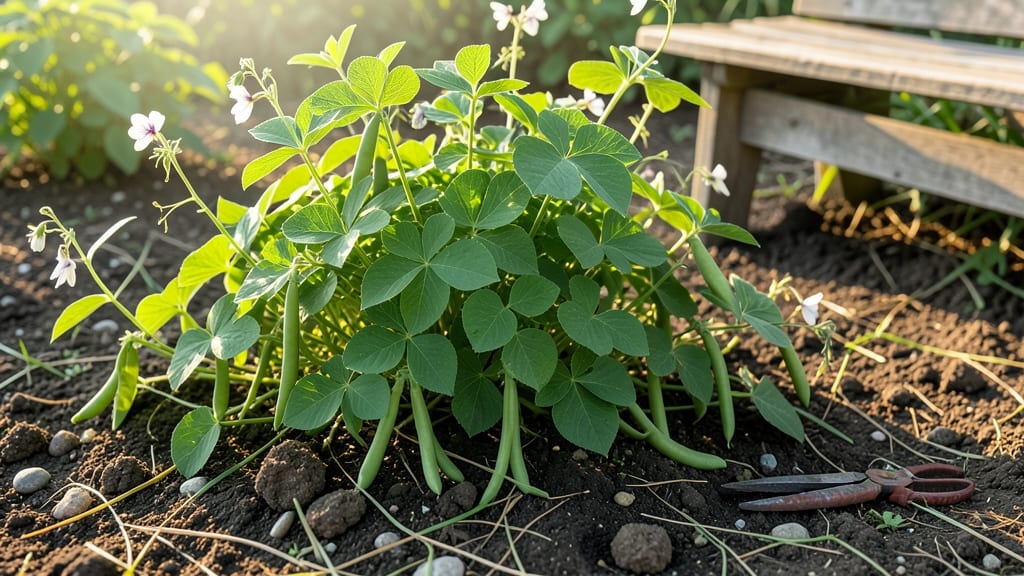
Growing green beans from seed to harvest in just 30 days is one of the fastest ways to enjoy homegrown veggies—if you time everything right.
Want to grow crisp, homegrown green beans in just 30 days? This fast-growing vegetable is perfect for busy gardeners—but timing everything right is key to a bountiful harvest.
From the moment you drop those tiny seeds into warm soil to plucking your first pods in under a month, the process is surprisingly straightforward. The secret lies in knowing when to plant, how much sun your plants crave, and when to harvest for that perfect snap.
In this guide, I’ll walk you through the exact steps to go from seed to harvest, including soil prep, watering schedules, and how to avoid common mistakes that slow down your beans. By the end, you’ll have a foolproof timeline to grow your own beans faster than you thought possible.

Green beans seed to harvest timeline: Week-by-Week growth stages
Growing green beans from seed to harvest is one of the most rewarding experiences for home gardeners. With the right timing and conditions, you can enjoy fresh, crisp pods in just 30-60 days.
Understanding each growth stage helps you provide the perfect care for faster, healthier plants. Let's break down what happens each week so you can anticipate needs and avoid common pitfalls.
The journey starts with seed germination, where tiny sprouts emerge from the soil. This stage is highly sensitive to temperature and moisture. If conditions are ideal—60-85°F soil temps and consistent watering—you'll see those first leaves in about 7-14 days.
After germination, the real growth spurt begins, with vines climbing and pods forming in just a few weeks.
🌱
In Week 1, your seeds should germinate within 7-14 days if planted 1 inch deep in warm soil. I recommend using a seed-starting mix and keeping it consistently moist. A heat mat can speed up germination if your climate is cool.
Once sprouts appear, move them to a sunny spot with at least 4-6 hours of light daily to prevent leggy seedlings.
By Week 2, you'll see the first true leaves emerge. This is when you should thin seedlings to 3-4 inches apart to give each plant room to grow.
If you're using a trellis, install it now to support climbing varieties. During this stage, maintain soil moisture but avoid waterlogging, which can cause root rot.
💧
Week 3 marks the beginning of rapid vegetative growth. Your plants will develop more leaves and stronger stems. This is the perfect time to add a balanced fertilizer (5-10-10) to encourage healthy foliage. If you notice yellowing leaves, it could indicate nitrogen deficiency—apply a light dose of compost tea to remedy this.
In Week 4, you'll start seeing the first flowers appear. These delicate blossoms are crucial for pod development. If your garden is prone to pests like Mexican bean beetles, apply neem oil as a preventive measure.
Keep the soil consistently moist but not soggy, as flowers need steady hydration to develop into pods.
By Week 5-6, the magic happens—pods begin to form! This is when regular harvesting becomes essential. Picking pods every 2-3 days encourages more production. If you let pods mature too long, they'll become tough and stringy. Aim for 4-6 inch pods with small seeds inside for the best flavor.
🌿
During Weeks 7-8, your green beans should be at peak harvest. If you've provided optimal conditions—full sun, consistent water, and proper spacing—you'll enjoy a bountiful yield.
Continue harvesting frequently to keep plants producing. As pods mature, you can also save seeds from your best plants for next year's garden.
Understanding this timeline helps you anticipate each stage's needs, from seed germination to pod development. With this week-by-week guide, you'll be well-prepared to grow crisp, homegrown green beans in just 30-60 days—no matter your experience level.
Critical factors that speed up or delay green bean harvest time
Green beans are one of the fastest vegetables to grow, but hitting that 30-day harvest window depends on several key factors.
The right soil conditions, watering consistency, and fertilizer choices can shave days off your timeline, while mistakes like overwatering or poor soil prep can stretch it to 60+ days.
Even the variety you choose plays a role—some bush beans mature in just 25 days while others take 50+.
Let’s break down the critical factors that either accelerate or delay your harvest. Understanding these will help you avoid common pitfalls and maximize your yield. For example, sandy loam soil drains well and speeds up root development, while heavy clay soil can slow growth by up to 10 days.
Similarly, inconsistent watering or over-fertilizing can stress plants, pushing back your harvest by 2-3 weeks.
✅ SPEEDS UP HARVEST
❌ DELAYS HARVEST
One of the biggest mistakes gardeners make is planting seeds too close together. Crowded plants compete for nutrients and sunlight, which can delay your harvest by up to 2 weeks. Always space seeds 3-4 inches apart in rows 18-24 inches apart for optimal airflow and growth.
Another common error is skipping mulch, which helps retain moisture and regulate soil temperature—critical for fast growth.
If you’re aiming for a 30-day harvest, prioritize bush bean varieties like 'Contender' or 'Blue Lake,' which mature faster than pole beans. These varieties also handle cooler temperatures better, giving you a head start in early spring plantings.
For pole beans, trellising isn’t just for aesthetics—it improves air circulation, reducing disease risk and speeding up pod production by 5-7 days.
Finally, pay attention to temperature fluctuations. Green beans thrive in 70-80°F soil and struggle below 50°F. If your region has cool nights, consider using row covers or planting in black plastic mulch to warm the soil faster.
Even a 5°F difference can add 3-5 days to your harvest timeline.
By focusing on these critical factors, you’ll avoid common delays and enjoy fresh green beans in just 25-30 days. Start with the right soil, water consistently, and choose fast-maturing varieties—your garden (and taste buds) will thank you!