
Planting
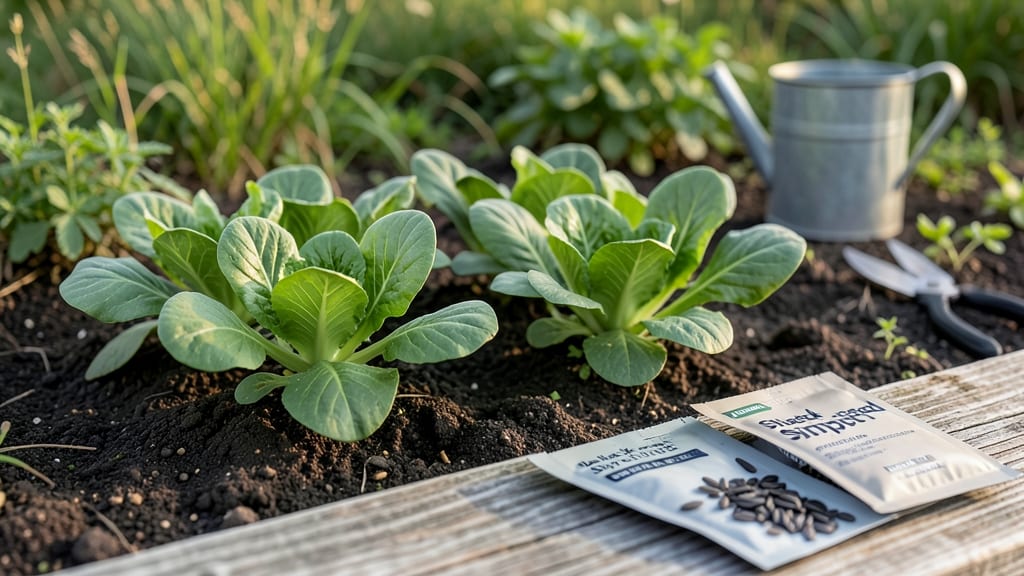
Knowing when to start planting seeds outdoors is key—it determines whether you’ll enjoy quick germination or spend weeks waiting for sprouts that may never appear.
Timing your seed planting just right can mean the difference between a thriving garden and a frustrating wait for sprouts—or worse, failed germination. The secret lies in understanding soil temperature triggers, frost risks, and plant-specific readiness cues.
In Zone 6a, where average last frost hits around April 15, soil needs to warm to at least 60°F for most 🌱 General Outdoor Seeds to germinate properly. Planting too early risks cold snaps, while waiting too long can shorten your growing season.
Here’s how to pinpoint your exact planting window, avoid common mistakes, and get seeds sprouting in under 10 days—plus regional adjustments for faster, more reliable results.


Soil temperature guidelines for planting seeds outdoors by region
Getting your seed planting timing right depends more on soil temperature than air temperature. While your local last frost date is important, many seeds won't germinate until the soil reaches their specific warmth threshold.
For example, cold-hardy vegetables like peas and spinach can sprout in 40°F (4°C) soil, while heat-loving crops like beans and cucumbers need 70°F (21°C) or warmer.
Northern climates (USDA Zones 1-6) typically have shorter growing seasons, so understanding these soil temperature triggers helps you avoid planting too early. Meanwhile, Southern regions (Zones 7-11) often face the opposite challenge—waiting too long for cooler soil in spring.
The key is matching your seed type with your region's natural soil warming patterns.
Before you grab your seed packets, check your local soil temperature using a simple soil thermometer. Insert it 2-3 inches deep (where most seeds germinate) and wait 10 minutes for an accurate reading.
Morning readings are best since soil cools overnight. If your soil is too cold, consider using row covers or cold frames to accelerate warming.
Here’s a quick reference for ideal soil temperatures by plant type and region:
| Plant Type | Cold-Hardy Seeds (F) | Cold-Hardy Seeds (C) | Heat-Sensitive Seeds (F) | Heat-Sensitive Seeds (C) | Best Regions |
|---|---|---|---|---|---|
| Peas, Spinach, Kale | 40-50°F | 4-10°C | N/A | N/A | Zones 1-6 (Early Spring) |
| Lettuce, Broccoli, Carrots | 50-60°F | 10-15°C | N/A | N/A | Zones 2-7 (Late Spring) |
| Beans, Cucumbers, Squash | N/A | N/A | 70-80°F | 21-27°C | Zones 7-11 (Late Spring) |
| Tomatoes, Peppers, Eggplant | N/A | N/A | 75-85°F | 24-29°C | Zones 5-10 (After Last Frost) |
| Marigolds, Zinnias, Sunflowers | 60-70°F | 15-21°C | 70-80°F | 21-27°C | Zones 3-11 (Spring/Fall) |
In Northern climates (like Zones 1-4), soil warms slowly, so focus on cold-hardy crops like peas and spinach in early spring. Use black plastic mulch or straw bales to raise soil temperature by 5-10°F if needed.
For example, in Zone 3, wait until soil hits 50°F (10°C) before planting lettuce, even if air temps are above freezing.
Southern gardeners (Zones 8-11) often face the opposite issue—soil can become too warm too quickly. If your soil exceeds 85°F (29°C), seeds may rot before germinating. For heat-sensitive crops like cucumbers, plant in shade cloth or use drip irrigation to keep soil cooler.
In Zone 10, start warm-season seeds in late February under shade cloth, then transplant when soil cools to 75°F (24°C).
Don’t rely solely on air temperature—soil stays cooler longer, especially in shady or moist areas. For instance, a 50°F (10°C) air temp might correspond to 40°F (4°C) soil in early spring.
To test, bury a soil thermometer for 10 minutes in your planting area. If your soil is 10°F (5°C) cooler than the air, wait a few more days before planting.
Pro tip: Use row covers or cold frames to extend your planting window in cooler climates. These can raise soil temps by 5-15°F (3-8°C), allowing you to plant warm-season crops like tomatoes 2-3 weeks earlier.
Just remove covers once seedlings emerge to prevent overheating. For Southern gardens, prioritize morning
How to calculate your local frost-free date and seed planting window
Getting your seed planting timing right starts with knowing your local frost-free date. This critical date marks the average last frost of spring, but it's just one piece of the puzzle.
Many seeds need warmer soil than air temperatures suggest, which can delay planting by weeks—especially for warm-season crops like tomatoes or peppers.
Don't rely solely on calendar dates or weather forecasts. Instead, use USDA frost maps or local agricultural extension services to find your historical frost dates.
These tools provide 10-year averages that account for your specific microclimate—whether you're in a frost pocket, near a large body of water, or at higher elevation.
Once you have your frost-free date, adjust it based on your plant type. Cool-season crops like lettuce or peas can handle light frosts, while warm-season crops need soil temperatures above 60°F (15°C) to germinate properly. This often means waiting 2-3 weeks after your official frost date for heat-loving plants.
🌱 PRO TIP: Use a soil thermometer to verify temperatures. Air temps can be misleading—soil warms up more slowly and stays cooler longer, especially in northern climates or shaded areas.
| Planting Trigger | Cool-Season Crops | Warm-Season Crops |
|---|---|---|
| Last Frost Date | 2-4 weeks before | 2-4 weeks after |
| Soil Temperature | 40-50°F (4-10°C) | 60-70°F (15-21°C) |
| Air Temperature | 45°F+ (7°C+) | 55°F+ (13°C+) |
| Example Crops | Lettuce, peas, spinach | Tomatoes, peppers, cucumbers |
| Microclimate Adjustment | +1 week in frost pockets | -1 week near water |
For warm-season crops, wait until soil temperatures consistently reach 60°F (15°C) before planting. In Zone 5 or colder, this might mean waiting until mid-May or even June, even if your frost date is earlier. Use black plastic mulch or row covers to warm soil faster if needed.
Remember that microclimates create huge variations. A south-facing slope warms up 1-2 weeks earlier than a north-facing yard, while low-lying areas may stay colder. Observe your garden's behavior over 2-3 years to refine your timing—your local conditions matter more than general rules.
Once you've calculated your window, mark it on your calendar and set reminders. The 14-day period around your ideal planting date offers the best balance between frost risk and seasonal growth potential. Happy planting! 🌱