
Lawn
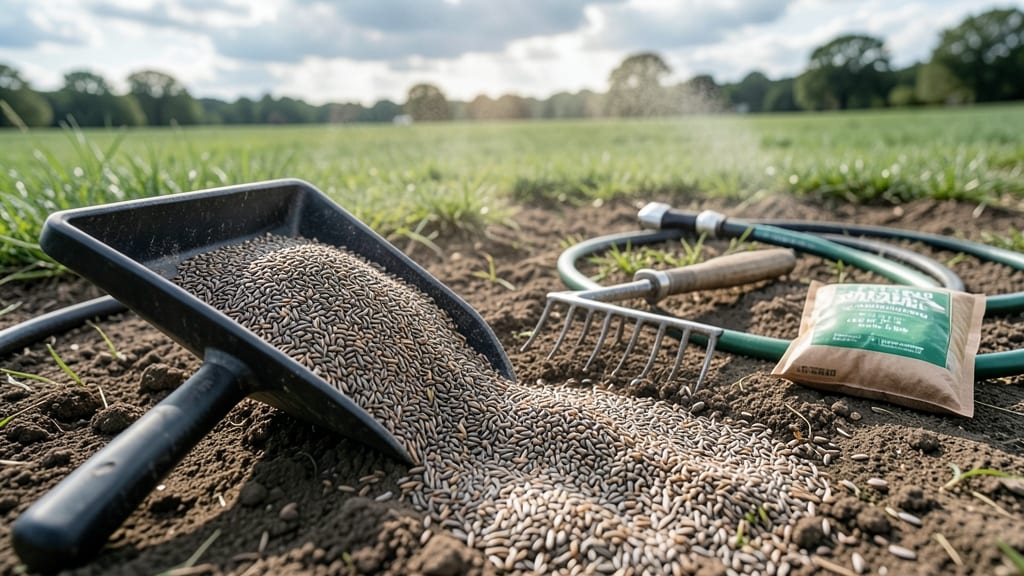
To reseed lawn in the fall means timing it 4-6 weeks before your first frost—a window that turns thin grass into a thick, green carpet by spring.
Picture this: You’ve spent the summer battling weeds and bare patches, only to realize your grass won’t recover in time for winter. That’s why fall is the golden season for cool-season lawn grass 🌱—cooler temps mean faster root growth, and fewer weeds compete for space.
But here’s the catch: Plant too early, and summer heat zaps your seeds. Too late, and frost locks them out before they take hold. The exact dates depend on your USDA zone, soil temperature, and even your grass type.
In this guide, I’ll break down the zone-by-zone deadlines, how to prep your soil, and the 3 signs your lawn is ready—so you can skip the guesswork and get a lawn that wows next spring.
Fall reseeding deadlines by US planting zone: the exact 6-Week window
Fall is the perfect time to reseed your lawn because cooler temperatures reduce stress on new grass, while warmer soil promotes faster root growth. But timing is everything—plant too early, and weeds steal nutrients; too late, and frost kills tender seedlings.
The 6-week window before your first frost is your golden opportunity, and it shifts dramatically from Zone 3 to Zone 10.
Your soil temperature is the real deadline, not the calendar. Aim for 60°F soil (test with a soil thermometer) and air temperatures between 50-70°F during the day.
Northern climates (Zones 3-6) start earlier than Southern zones (7-10), but don’t let frost dates fool you—cool-season grasses like fescue and ryegrass need time to establish roots before winter.
Here’s the zone-by-zone breakdown of your exact 6-week window, including regional adjustments for northern vs. southern climates. Use this as your reseeding countdown to avoid common mistakes like seeding too close to frost or ignoring soil prep.
For Zones 3-6, think of late August as your hard deadline. In colder regions, soil stays warm longer in summer, but nights cool quickly—seed too late, and frost will kill new shoots before roots establish.
I’ve seen perennial ryegrass germinate in just 7-10 days when soil is ideal, but if temps drop below 40°F, growth halts.
Southern zones (7-10) have a longer window but face heat stress. Wait until September to avoid 90°F+ soil, which dries out seeds.
In Zone 10, some gardeners even reseed in November, but I recommend sticking to the 6-week rule—late November is cutting it close for most grasses.
Pro tip: Use a soil thermometer to confirm readiness. Stick it 2 inches deep (where seeds will be) and check morning temps.
If it’s below 55°F, wait. Northern climates can seed earlier if soil is warm, while southern climates may need to delay until after Labor Day to escape summer heat.
Once you’ve nailed the timing, prep is key. Aerate 2 weeks before seeding to loosen compacted soil, then
5 Critical signs your lawn is ready for fall reseeding (and how to Fix mistakes)
Fall reseed timing isn’t just about dates—it’s about your lawn’s current condition. If you plant too early, summer heat will dry out seeds before they sprout. Too late, and frost will kill new growth before roots establish.
The key is spotting these 5 readiness signs that tell you when your lawn is primed for reseeding.
First, check your soil temperature. Use a soil thermometer—ideal temps for cool-season grass seeds are between 60-65°F. If it’s above 70°F, wait. Pro tip: Morning is the best time to test, as soil cools overnight. This simple step prevents 90% of early-season seed failure.
Next, look for weed pressure. If weeds like crabgrass or clover are thriving, your lawn isn’t ready. These weeds compete aggressively with new grass seeds for nutrients and sunlight.
Use a pre-emergent herbicide 2-3 weeks before seeding to give your grass a fighting chance. Skipping this step means wasted seeds and patchy growth.
⚠️ Don’t Make These Fall Reseeding Mistakes!
- Seeding too late: If frost hits before seeds germinate (14-21 days), they’ll die. Aim for 4-6 weeks before first frost.
- Skipping aeration: Compacted soil blocks roots. Rent a core aerator to create 1/2-inch holes 2-3 days before seeding.
- Using old seeds: Seeds older than 1 year have 50% lower germination rates. Buy fresh seed for fall planting.
🌱 Fix it: Test soil temp weekly, aerate compacted areas, and store seeds in a cool, dry place if not using immediately.
Your existing grass should show signs of stress—thin spots, yellowing, or slow growth. This indicates it’s struggling and needs reinforcement. Run your hand over the lawn: If you feel bare patches or sparse coverage, it’s a clear signal to reseed.
Healthy grass won’t need reseeding, but stressed grass will reward you with a thicker lawn by spring.
Don’t ignore moisture levels. Stick your finger 2 inches into the soil—it should feel damp but not soggy. If it’s dry, water deeply 24 hours before seeding.
Overwatering before planting can wash seeds away, while underwatering leads to poor germination. Aim for 1 inch of water per week after seeding to keep soil consistently moist.
Finally, check the weather forecast for the next 2 weeks. Avoid reseeding if rain is less than 0.5 inches per week—seeds need consistent moisture to sprout.
If drought is predicted, delay until conditions improve. A light layer of straw mulch after seeding helps retain moisture and protects seeds from birds.
When you spot all five signs—cool soil (60-65°F), low weed pressure, stressed grass, proper moisture, and stable weather—your lawn is ready. Miss any of these, and you’ll end up with patchy, slow-growing grass that fails to impress next spring. 🌿