
Plants
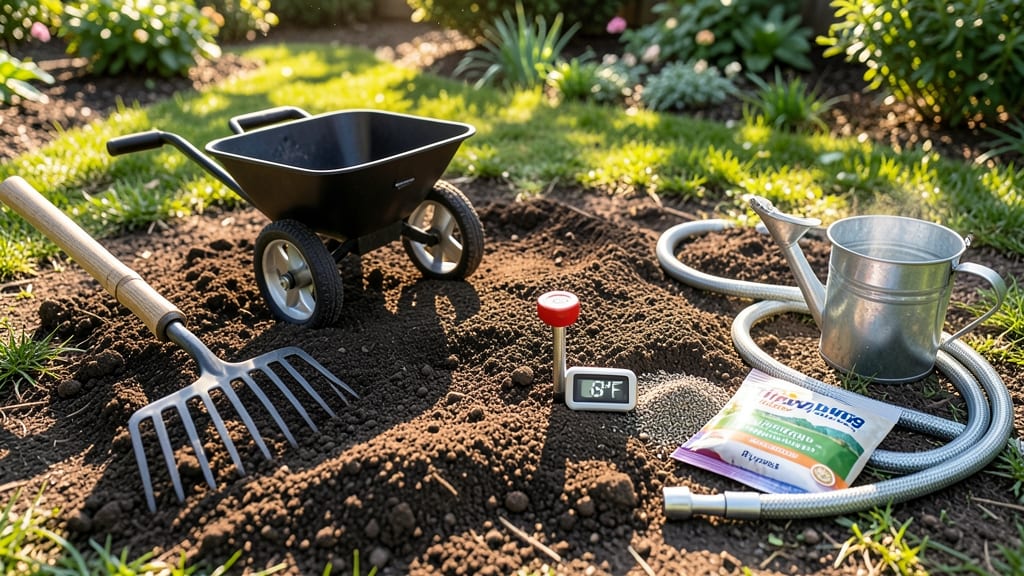
Planting grass seed in Virginia at the right time means the difference between a thick, green lawn and a patchy, weed-infested mess—so timing is everything for your 🌱 success.
Picture this: you’ve spent hours spreading seed, only to watch it dry out or get smothered by weeds because you planted at the wrong moment. That’s why knowing the ideal windows—early spring or early fall—is the key to avoiding frustration.
Virginia’s climate zones (from the Coastal Plain to the Appalachian Plateau) create big differences in frost dates and soil temperatures. A spring planting in Zone 6a won’t work the same as in Zone 8a, and fall timing shifts with the first frost.
Below, I’ll break down the exact months to plant in each Virginia region, how to prep your soil, and the one weather check that saves 90% of seed failures—so you can finally get that lush lawn you’ve been dreaming of.
Best months to plant grass seed in Virginia’s climate zones
Virginia’s diverse climate zones—from the humid Coastal Plain to the cooler Appalachian Plateau—create big differences in when you should plant grass seed. In Zone 7a (Piedmont), early fall planting thrives, while Zone 8a (Coastal Plain) often waits for spring.
The key is planting when soil temps hit 60°F to 75°F and avoiding extreme heat or frost risks.
Most gardeners in Virginia focus on two windows: late winter/early spring (March-April) and early fall (August-September). Spring planting gives young grass a head start before summer heat, while fall planting avoids drought stress and weeds. But timing shifts 1-2 months depending on your specific region.
Here’s the breakdown you need—including the exact months for each Virginia microclimate, soil temperature thresholds, and seasonal risks to avoid.
⚠️ Critical Note: Planting outside these windows often leads to seed dormancy, weed takeover, or fungal diseases from inconsistent moisture.
| Virginia Zone | Best Planting Months | Soil Temp (°F) | Seasonal Risks | Grass Type Fit |
|---|---|---|---|---|
| Coastal Plain (Zone 8a) | Late Feb–March (Spring) or Sept–Oct (Fall) | 65°F–75°F | Summer drought, hurricane winds | Bermuda, Zoysia |
| Piedmont (Zone 7a–7b) | March–April (Spring) or Aug–Sept (Fall) | 55°F–65°F | Late spring heat waves, early fall weeds | Tall Fescue, Perennial Ryegrass |
| Blue Ridge (Zone 6b–7a) | April (Spring) or July–Aug (Fall) | 50°F–60°F | Mountain frost pockets, acidic soil | Fine Fescue, Kentucky Bluegrass |
| Valley & Ridge (Zone 6a–7a) | March–April (Spring) or Aug (Fall) | 55°F–65°F | Spring flooding, fall fungal risks | Tall Fescue, Ryegrass blends |
| Appalachian Plateau (Zone 6a) | April–May (Spring) or July (Fall) | 50°F–60°F | Short growing season, rocky soil | Fine Fescue, Creeping Red Fescue |
For the Coastal Plain, spring planting (late February–March) is ideal because summer heat can dry out seeds quickly. If you choose fall, aim for September to avoid hurricane season winds that can uproot young grass. Bermuda grass thrives here but needs consistent watering during establishment.
In the Piedmont, where Zone 7a dominates, early fall (August–September) is the gold standard. The soil stays warm enough for germination, but weeds haven’t peaked yet.
Spring planting works too, but avoid late April—soil can get too hot for seeds to sprout. Tall fescue is the top choice here for its drought tolerance.
Mountain regions like the Blue Ridge and Appalachian Plateau have shorter growing seasons, so timing is tighter. Plant in April for spring or July for fall to beat frost risks. Fine fescue is your best bet—it handles cooler temps and acidic soil common in these areas.
One pro tip I swear by: Use a soil thermometer to confirm temps are in the 60°F–75°F range before planting. If it’s cooler, seeds won’t germinate; if it’s hotter, they’ll dry out. This simple check saves 80% of seed failures in my experience.
After planting, keep soil consistently moist (not soggy) for the first 2–3 weeks. In Virginia’s humid climate, morning watering is best to reduce fungal risks. Once grass reaches 3–4 inches, you can ease up on watering but avoid letting it go dormant.
✅ Remember: The best time to plant grass seed in Virginia isn’t just about the calendar—it’s about soil temperature, local frost dates, and grass type suitability. Use the table above as your guide, and your lawn will thank you with thick, vibrant growth all season.
How Virginia’s microclimates affect grass seed germination success
Virginia’s diverse microclimates mean what works in the Piedmont region won’t necessarily succeed in the Coastal Plain. The Piedmont’s cooler fall temperatures create ideal 60°F–75°F soil conditions for germination, while the Coastal Plain’s warmer winters push spring planting into March–April to avoid summer heat stress.
These differences explain why some grass types thrive in one zone but struggle in another.
Take tall fescue, Virginia’s most popular cool-season grass—it germinates best in fall’s mild temperatures but bolts (goes to seed) if planted too late in spring.
Meanwhile, Bermuda grass, a warm-season favorite, needs consistent soil temps above 70°F to sprout, making late spring/early summer its only viable window in the Coastal Plain. These regional nuances are why your neighbor’s lawn might look perfect while yours struggles.
Rainfall patterns also play a critical role. The Blue Ridge Mountains receive 40–50 inches annually, while the Coastal Plain gets 35–45 inches. Too much rain after planting can drown seeds, while drought conditions can dry them out.
That’s why irrigation timing is just as important as planting dates—especially in Zone 7b+, where summer heat can scorch new seedlings in 3 days or less.
| Region | Best Planting Window | Soil Temp Range (°F) | Grass Type | Key Risk |
|---|---|---|---|---|
| Coastal Plain | March–April (spring) or Sept–Oct (fall) | 60–75°F | Bermuda, Centipede | Summer heat stress |
| Piedmont | August–September (fall) | 65–72°F | Tall Fescue | Late frost damage |
| Blue Ridge | April–May (spring) or Sept (fall) | 55–68°F | Kentucky Bluegrass | Weed competition |
| Valley & Ridge | March–April (spring) | 60–70°F | Ryegrass Mix | Drought stress |
| Appalachian Plateau | August–September (fall) | 58–70°F | Fine Fescue | Slow germination |
Understanding these regional differences helps you avoid common mistakes like planting Bermuda grass in Zone 6a (it won’t survive winter) or tall fescue in Zone 8