
Plants
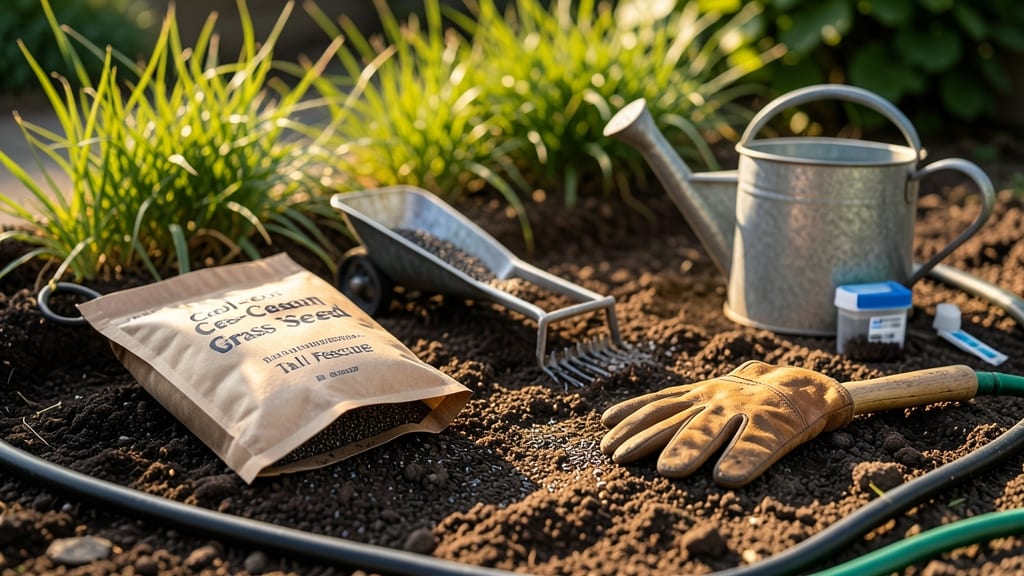
Planting grass seed in Tidewater Virginia at the right time means the difference between a lush lawn and a weed-infested battleground.
Tidewater’s humid subtropical climate creates a narrow window for planting grass seed—get it wrong, and you’ll battle weeds or weak germination. Timing isn’t just about months; it’s about soil temps, rainfall patterns, and avoiding summer’s brutal heat.
For cool-season grasses like Tall Fescue, aim for early September to mid-October, when soil temps hover between 55–65°F and humidity is high but not oppressive. Warm-season grasses like Bermuda or Zoysia prefer late spring, but the coastal heat can be unforgiving.
Here’s your precise guide to maximizing success, from soil prep to seed selection, tailored to Tidewater’s 7b-8a climate.
Best months to plant grass seed in Tidewater Virginia (with soil temp rules)
Tidewater Virginia’s coastal climate means your grass seed timing must account for soil temperatures, humidity spikes, and unpredictable rainfall. Unlike inland areas, coastal zones like Norfolk and Virginia Beach stay warmer longer, shifting ideal planting windows.
The 55–65°F soil temperature rule is your golden metric—plant too early, and weeds take over; too late, and germination stalls.
For cool-season grasses (like Tall Fescue), aim for early September to mid-October when daytime highs drop below 80°F. This window lets seeds establish before winter’s chill. Warm-season grasses (like Bermuda) prefer late February to early April, when soil warms consistently above 60°F. But watch for coastal delays—salt spray near shorelines can push back warm-up by 1–2 weeks.
Here’s your 2024-specific adjustment: Virginia’s 2023 weather showed earlier frost risks in inland areas (like Suffolk) but later cooling near the coast. Use a soil thermometer (not air temp!) to confirm readiness.
Pro tip: Coastal areas may need to plant 1–2 weeks later than inland zones to avoid fungal issues from lingering moisture.
🌱
Your microclimate matters: Inland Tidewater (e.g., Chesapeake) cools faster than coastal areas. Test soil temps at 4-inch depth—surface temps can mislead you. For example, a 70°F air temp might hide 55°F soil, perfect for fall planting.
Use a moisture meter too; coastal soils often retain excess moisture, delaying planting by 1–2 weeks if soggy.
Spring planting in Tidewater demands patience. Wait until daytime highs consistently exceed 70°F (usually mid-April inland, late April near the coast). Early spring seeds risk frost heave—when soil expands and contracts, uprooting tender sprouts. Cover seeds with straw mulch (not grass clippings) to insulate them during temperature swings.
Rainfall is your wildcard. Tidewater’s September humidity can create a fungal paradise if seeds aren’t covered properly. Use a lightweight straw blanket (¼-inch thick) to protect seeds while allowing moisture through.
For warm-season grasses, aim for 1–1.5 inches of rain weekly—supplement with drip irrigation if your forecast shows dry spells.
Don’t overlook 2024’s early signs. Check the NOAA Climate Prediction Center for Tidewater’s seasonal outlook. If they predict warmer-than-average springs, you might push warm-season planting to late March in inland zones.
Conversely, a cooler spring could delay planting until mid-April. Always have a backup seed supply—Tidewater’s coastal winds can scatter seed faster than inland areas.
🌿
Pro move: Plant in two stages if your window is tight. Sow half your seed in early September and the rest in mid-October. This staggered approach ensures continuous germination and reduces weed pressure.
For coastal properties, add 10% more seed to account for salt spray damage—especially in elevated or windward areas.
Remember, soil prep is 50% of success. Tidewater’s clay-heavy soils need gypsum amendments to improve drainage. Test your soil’s pH (6.0–7.0 ideal) and organic matter (3–5%) before planting. If your soil is too acidic, add pelletized lime 4–6 weeks before seeding to avoid burning tender roots.
✂️
How to prepare your lawn for grass seed in Tidewater’s humid climate
Tidewater Virginia’s clay-heavy soils and high humidity can turn grass seed prep into a minefield if you’re not careful. The key to success lies in soil testing, strategic weed control, and precise irrigation scheduling.
Skipping these steps often leads to poor germination, fungal issues, or weed takeover—especially in the region’s USDA Zone 7b-8a.
Start by testing your soil’s pH level. Tidewater’s native soils often lean acidic, but grass thrives in a pH range of 6.0–7.0. Use a simple test kit or send a sample to the Virginia Cooperative Extension for accurate results.
If your soil is too acidic, amend it with lime 4–6 weeks before planting.
Next, tackle weed competition—the #1 germination killer in humid climates. Apply a pre-emergent herbicide 2–3 weeks before seeding, but avoid post-emergent options that harm young grass. For organic control, use a corn gluten meal pre-emergent or manually remove weeds by hand.
Now for the callout warning you can’t ignore:
⚠️ Critical Mistake Alert: Planting Too Late in Fall or Too Early in Spring
Problem: Tidewater’s unpredictable frost dates (last frost: March 15, first frost: November 15) and soil temperature swings create a narrow window. Planting after October 15 risks frost damage, while spring planting before March 1 often leads to fungal growth from prolonged soil moisture.
Solution: Aim for early September to mid-October (fall) or late February to early April (spring). Use a soil thermometer—ideal temps are 55–65°F for cool-season grasses.
After weed control, loosen the top 2 inches of soil with a rake or aerator to improve seed-to-soil contact. Tidewater’s clay soils compact easily, so focus on vertical slices if your lawn is heavily trafficked.
Spread a starter fertilizer (high in phosphorus) to jumpstart root growth, then lightly rake the area to create a fine seedbed.
Irrigation is non-negotiable in Tidewater’s humidity. Water 1/4 inch daily for the first 2 weeks, then adjust to 1 inch per week (including rainfall). Use a sprinkler timer to deliver water in the early morning, reducing fungal risks.
Avoid overhead watering at night—this promotes disease pressure in the damp climate.
Finally, add organic matter like compost or peat moss to improve drainage and moisture retention. Tidewater’s clay soils benefit from 1–2 inches of compost worked into the topsoil. Mulch with straw after seeding to retain moisture and shield seeds from bird predation.