
Planting
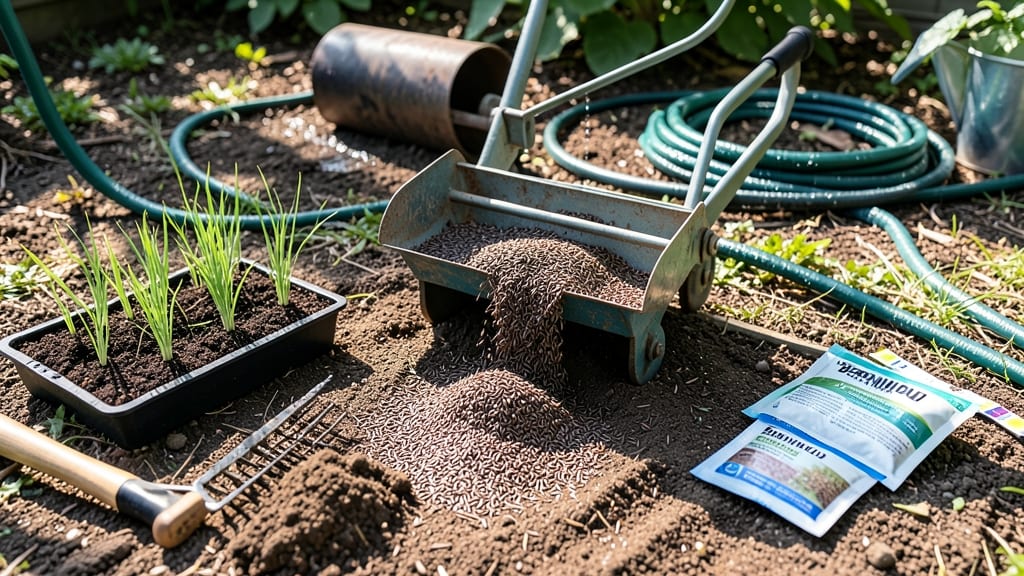
Planting grass seed in South Carolina at the right time means the difference between a lush lawn and a weed-infested battleground.
Struggling to get a lush lawn in South Carolina? Timing is everything—planting grass seed at the wrong time can mean slow germination, weak growth, or battling weeds before your grass even takes hold.
The key is knowing when soil temperatures and rainfall align with your grass type, whether you're sowing cool-season tall fescue or heat-loving Bermuda.
South Carolina’s 7b-8a climate gives you two prime windows: early spring (March-April) when the ground warms but summer’s fury hasn’t arrived, and late summer/fall (August-September) when cooler temps and consistent rain give seeds the perfect shot.
Miss these windows, and you’re fighting drought stress or winter dormancy instead of enjoying a fast-growing, weed-resistant lawn.
In this guide, I’ll break down the exact months to plant, how to prep your soil for fast germination, and the simple post-planting care that keeps weeds from stealing your turf. Ready to transform your yard?
Best months to plant grass seed in South Carolina for fast germination
South Carolina’s humid subtropical climate creates perfect conditions for lush lawns—but only if you plant grass seed at the right time. The wrong timing can lead to slow germination, weed takeover, or even seed death from extreme heat or drought.
For fast, weed-resistant growth, focus on two key windows: early spring and early fall, when soil temperatures and rainfall align with your grass type’s needs.
Cool-season grasses like tall fescue and ryegrass thrive in South Carolina’s mild winters, while warm-season varieties such as Bermuda and Zoysia dominate the summer heat. Each type has specific soil temperature thresholds and rainfall patterns that determine success. Ignoring these can mean spending months battling patchy lawns or crabgrass invasions.
Soil temperature is the #1 factor for germination. Cool-season grasses need soil temps between 50°F–65°F, while warm-season types require 65°F–75°F. South Carolina’s USDA zones 7b–8a mean these thresholds shift monthly—plant too early or late, and your seeds may rot or dry out before sprouting.
Here’s the science-backed breakdown of when to plant each grass type for optimal germination and weed suppression:
For cool-season grasses, the early spring window (March–April) is ideal because soil warms gradually, reducing stress on young seedlings.
This timing also lets grass establish before summer’s intense heat and drought, which can kill tender new shoots. August–September is the second-best window—cooler temps and consistent rainfall give seeds the moisture they need without the risk of fungal diseases that peak in South Carolina’s muggy summer.
Warm-season grasses like Bermuda and Zoysia should never be planted in fall—they go dormant and won’t survive winter. Instead, aim for late May–early June, when soil temperatures consistently stay above 65°F.
This timing ensures seeds germinate before summer’s peak heat arrives, giving them a head start to develop deep roots before the dog days of July and August.
South Carolina’s rainfall patterns play a critical role. The Coastal Plain (zones 8a) gets more consistent rainfall, while the Upstate (7b) can experience drought. If you’re planting in dry May, use a starter fertilizer with water-retention crystals to help seeds stay moist.
For shady lawns, St. Augustine or tall fescue blends planted in late spring will outcompete weeds better than Bermuda, which struggles in low light.
Pro tip: Test your soil’s pH and moisture 2 weeks before planting. South Carolina’s clay-heavy soils often need gypsum or compost to improve drainage. Aim for a pH of 6.0–7.0 for cool-season grasses and 5.5–6.5 for warm-season types.
Overlooking this step means slower germination and weaker roots—even if you plant at the perfect time.
Remember, weed competition is your biggest enemy during the first 4–6 weeks. Planting at the right time ensures your grass germinates faster than weeds, giving it the competitive edge.
For example, crabgrass germinates when soil hits 55°F, so planting cool-season grass in late April (when soil is 60°F+) helps it outpace weeds.
If you miss the ideal windows, don’t panic. Emergency planting is possible in late April (for cool-season) or early July (for warm-season), but success depends on daily watering and shade cloth to protect seedlings from stress.
Just know your lawn may take 2–3 weeks longer to establish compared to optimal timing.
How to outsmart weeds when planting grass seed in South Carolina
South Carolina's warm climate creates the perfect storm for weeds to outcompete your new grass seed. Without proper prep, those pesky crabgrass and clover plants will steal moisture and sunlight, leaving you with patchy, weak grass.
The key is a multi-step weed suppression strategy that starts before you even sprinkle the seed.
I've learned through years of trial and error that the 4-6 week establishment period is when weeds make their move. During this time, your grass is vulnerable because it's still developing roots while weeds germinate quickly.
The solution? A combination of pre-emergent herbicides, organic mulches, and competitive companion plants that create a weed-blocking barrier.
Pre-Planting Weed Control Methods
Pre-Emergent Herbicides
- ✅ Blocks weed seeds from germinating
- ✅ Works for 3-6 months
- ✅ Best for warm-season grasses
Apply 2-4 weeks before planting when soil temps reach 60°F+.
Hand Pulling + Solarization
- ✅ Eliminates existing weeds
- ✅ Solarization kills weed seeds
- ✅ Chemical-free option
Use clear plastic sheets in sunny spring months for 4-6 weeks.
Organic Mulches
- ✅ Blocks sunlight to weeds
- ✅ Retains moisture
- ✅ Improves soil as it breaks down
Best options: Straw or pine bark (2-3 inches thick).
Avoid These Mistakes
- ❌ Over-seeding without prepping - Lets weeds take over
- ❌ Using herbicides after planting - Kills new grass too
- ❌ Skipping soil testing - Weeds thrive in poor soil
For the most effective weed suppression, I recommend combining pre-emergent herbicide with a thick layer of straw mulch. The herbicide prevents new weed seeds from sprouting, while the mulch blocks sunlight from reaching any existing weed seeds in the soil.
This two-pronged approach gives your grass seed the competitive edge it needs during those crucial first weeks.
Another secret weapon in my arsenal is companion planting with clover. Yes, clover is technically a weed, but it's a beneficial weed that outcompetes crabgrass and chickweed while fixing nitrogen in the soil.
When planted alongside your grass seed, it creates a dense ground cover that shades out unwanted weeds. Just be sure to use white Dutch clover which stays low and won't outcompete your grass.
Remember that consistent moisture is your best friend during this period. Weeds germinate quickly when soil is dry, so maintain 1/2 inch of water per week through rainfall or irrigation.
The goal is to keep the soil consistently moist but not waterlogged, which can create perfect conditions for fungal weeds like nutsedge.
After your grass reaches 3-4 inches tall and has developed a good root system (usually around 6-8 weeks), you can thin out the mulch layer and let your grass take over.
By this time, the weed suppression strategies should have given your grass the head start it needs to outcompete any remaining weeds naturally.
Don't forget that regular mowing at the right height (3-4 inches) helps too. Taller grass shades out weed seeds, while frequent mowing prevents weeds from establishing before they can produce seeds. It's a simple but effective way to keep your lawn weed-free long-term.