
Plants
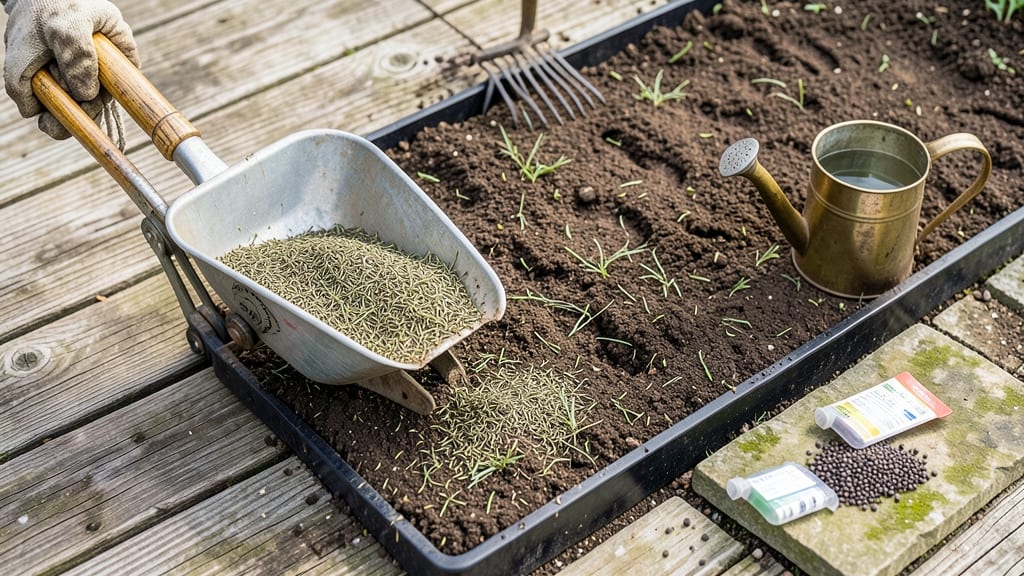
Plant grass seed in Seattle between mid-March and April or September and October—the cool-season window that avoids summer’s heat and winter’s frost.
Seattle’s unpredictable weather can turn your grass-seeding project into a gamble—unless you plant at the perfect time between frost risks and summer heat. Missing this window means sparse lawns or wasted seeds, but timing it right guarantees a lush, resilient turf that thrives in the Pacific Northwest’s climate.
Cool-season grasses like Kentucky Bluegrass and Fescue need 6-8 weeks to establish roots before summer dormancy kicks in. That means seeding no later than early May or late October, depending on your microclimate—Eastside’s warmer pockets may need an earlier start, while Westside’s coastal chill buys you a few extra weeks.
Below, I’ll break down the exact frost-free deadlines for your zone, soil prep secrets for Seattle’s clay-heavy soil, and how to adjust for the rainy season. You’ll also learn what to do if you miss the window—because even the best-laid plans can go sideways in Zone 8a.
Seattle’s ideal grass-seeding timeline: frost-free deadlines & cool-season rules
Seattle’s Zone 8a/8b climate creates two ideal windows for grass seeding: early spring (March–April) and early fall (September–October). These periods balance soil warmth and moisture availability, giving cool-season grasses like Kentucky bluegrass and fescue the perfect 6–8 weeks to establish roots before summer dormancy or winter frost.
The Puget Sound’s coastal influence delays frost on the Westside (e.g., Bainbridge Island) until mid-November, while inland areas like Kenmore or Redmond may see frost as early as late October.
This microclimate shift means your planting deadline could vary by 2–3 weeks depending on location. Below, I’ve mapped out the exact frost-free deadlines for Seattle’s most common grass varieties.
📌 Key Rule: Seed no later than May 15 (spring) or October 31 (fall)—any later risks summer heat stress or winter kill. For ryegrass mixes, which germinate faster, you can push the envelope to June 1 or November 15 in milder microclimates.
For spring planting, aim to seed by mid-April on the Eastside or late April on the Westside. Soil temperatures should reach 50°F consistently—use a soil thermometer to confirm. Perennial ryegrass germinates fastest (5–7 days), while tall fescue takes 10–14 days, so adjust your timeline accordingly.
Fall planting is often more successful in Seattle because cooler temps reduce weed competition and consistent rainfall keeps seeds hydrated. Start seeding by September 1 for a 6-week establishment before the first frost.
If you’re in a warmer inland pocket like Carnation or Snoqualmie, push to September 15—but monitor forecasts for early frost warnings.
🌡️ Pro Tip: Check the National Weather Service’s Seattle forecast for 30-day outlooks in July/August. If they predict unusually warm winters, you might extend your fall window by 1–2 weeks. Conversely, if a La Niña pattern brings early frosts, start seeding 2 weeks earlier.
Seattle’s clay-heavy soil slows drainage, which can delay germination. To counteract this, aerate 1–2 weeks before seeding
How to adjust planting for Seattle’s rainy season: soil prep & seed survival tips
Seattle’s rainy springs and autumns can turn your lawn project into a soggy mess if you don’t prep properly. The key is balancing moisture without creating waterlogged conditions that suffocate seeds.
Start by testing your soil’s drainage capacity—stick a trowel in after a rain; if water pools after 6 hours, you’ve got clay-heavy soil that needs amending.
For clay-heavy Pacific Northwest soil, mix in 2–3 inches of compost or aged manure before seeding. This improves aeration while retaining moisture during Seattle’s frequent drizzles. Aim for a loose, crumbly texture—think chocolate cake batter, not wet cement.
A soil test kit (available at local nurseries) will confirm if your pH needs adjustment to the ideal 6.0–7.0 range for cool-season grasses.
Timing your aeration is critical. For spring plantings, aerate 4–6 weeks before seeding to let soil recover. In fall, do it 6–8 weeks prior to avoid compacting the bed as roots establish.
Use a core aerator (not slit-type) to pull 3/4-inch plugs—this creates pockets for seeds to nestle into moist but not soggy soil.
⚠️ callout warningSeattle’s September–October planting window often overlaps with steady rainfall. If you see more than 1 inch of rain in a 48-hour period, wait 2–3 days before seeding. Wet soil can wash seeds away or bury them too deep (¼ inch max for germination).
Use a lightweight straw mulch (not hay) to protect newly sown areas from erosion.
Seed-to-soil contact is everything in clay-heavy conditions. After aerating, rake the surface to a fine, smooth finish—no clumps bigger than a dime. Then, use a seed spreader (not hand-scattering) for even distribution.
Press seeds lightly with a lawn roller or your boot (wear clean shoes!) to ensure firm but not compacted contact. Overwatering here is worse than underwatering—aim for ¼ inch of water daily until germination.
Weed suppression is another rainy-season battle. Apply pre-emergent herbicide (like corn gluten meal) 2 weeks before seeding—it blocks weed seeds without harming grass. For organic options, try vinegar-based pre-emergents or a thick layer of cardboard mulch (remove before planting).
Post-seeding, hand-pull weeds when soil is dry to avoid disturbing tender sprouts.
Monitor soil moisture with your finger: press 1 inch deep—if it feels damp but not wet, you’re golden. If it’s saturated for days, pause watering and let the soil dry slightly.
In late fall, reduce watering as daylight shortens to prevent fungal diseases like brown patch. With these adjustments, your grass will establish roots 30–50% faster than in compacted, waterlogged soil.