
Plants
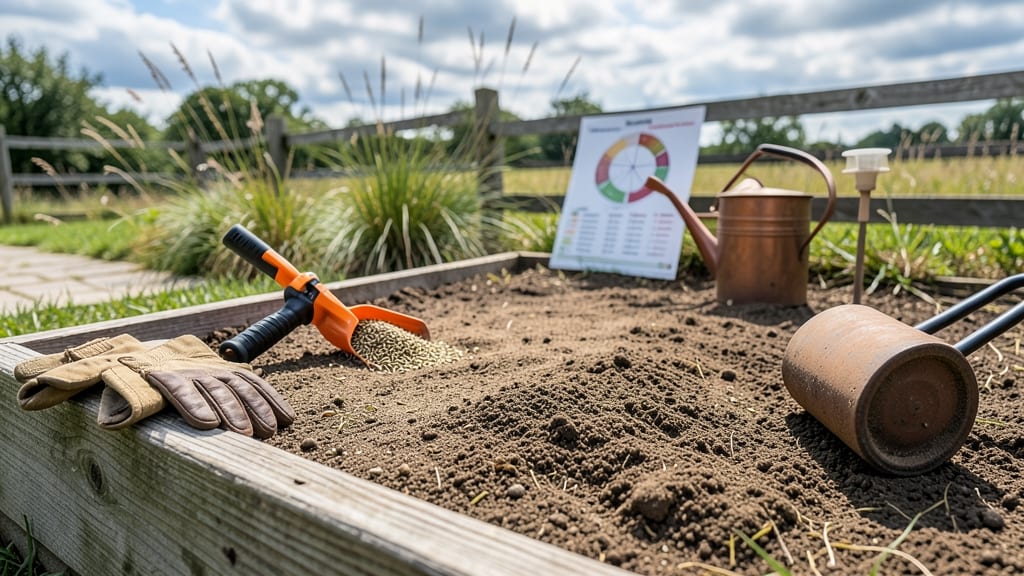
Planting grass seed in South Carolina at the right time ensures thick, resilient roots before summer heat or winter frost strikes.
If you’ve ever watched your lawn struggle—thinning in summer or browning too soon—you know timing is everything. South Carolina’s 8a-9a zones demand precision: plant cool-season grass too early, and frost zaps seedlings; too late, and the heat stunts germination.
The ideal window? Late August to mid-September for fall establishment or March to early April for spring.
This isn’t just about months—it’s about soil temperature, humidity, and even your grass type. Cool-season grasses like tall fescue need 60-70°F soil to germinate, while warm-season Bermuda thrives in 85°F+. Miss the mark, and you’ll spend next year patching bare spots instead of enjoying a lush lawn.
Below, I’ll break down the exact deadlines by zone, soil prep secrets for SC’s clay-heavy soils, and a 3-step checklist to keep your new grass hydrated through our humid summers. No more guessing—just a thicker, greener lawn by next spring.
South Carolina grass seed planting deadlines by USDA Zone (cool season only)
Cool-season grasses like tall fescue and Kentucky bluegrass thrive in South Carolina’s mild winters, but timing is everything. Plant too early, and frost can kill tender seedlings.
Too late, and summer heat stifles germination before roots establish. Here’s your zone-specific planting schedule to avoid these pitfalls and ensure a lush, deep-rooted lawn.
South Carolina spans USDA Zones 8a-9a, each with distinct frost patterns and soil temperatures.
Coastal Zone 8a (e.g., Charleston) has later frosts, while Zone 9a (Upstate) can experience frost as early as mid-November. Ideal soil temps for cool-season grass seed are 60–75°F, making early fall the safest bet for most regions.
Pro Tip: Test your soil’s moisture and temperature 2–3 inches deep before planting. Use a soil thermometer—65°F+ signals readiness. In Zone 9a, aim for late August to early September to beat the first frost while avoiding summer’s oppressive heat.
| USDA Zone | Planting Window | Last Frost Date | Ideal Soil Temp | Grass Varieties |
|---|---|---|---|---|
| 8a (Coastal) | Late August–Mid-September OR Early March–Mid-April |
Mid-November Early March |
60–75°F | Tall Fescue, Perennial Ryegrass |
| 8b (Piedmont) | Early August–Late September OR Late February–Early April |
Late October Mid-March |
60–75°F | Tall Fescue, Kentucky Bluegrass |
| 9a (Upstate) | Late July–Early September | Mid-November | 60–70°F | Tall Fescue, Fine Fescue |
⚠️ Note: Adjust for early or late frost years by checking local almanac records.
For Zone 8a gardeners, early fall planting (late August) gives seedlings 6–8 weeks to establish before winter. If you miss this window, spring planting (early March) works but requires vigilance against spring rains and soil compaction.
In Zone 9a, the window narrows to July–early September—plant too late, and summer’s 90°F+ soil temps can bake seeds before germination.
I recommend tall fescue for most SC lawns—it tolerates heat stress better than Kentucky bluegrass and stays green longer in summer. Perennial ryegrass germinates faster (7–14 days) and is ideal for overseeding in fall. Mix the two for a durable, shade-tolerant lawn.
Before planting, aerate your soil to improve water and nutrient absorption. Use a core aerator in late summer to loosen 1–2 inches of soil, then top-dress with compost or a slow-release fertilizer (10-10-10). This step is critical in clay-heavy soils common in Piedmont Zone 8b.
Watering is non-negotiable. Keep soil consistently moist (not soggy) for the first 3–4 weeks—that’s 1–1.5 inches per week. Use a drip irrigation system or soaker hose to avoid fungal diseases from overhead sprinklers. In Zone 9a’s humid summers, water early morning to reduce evaporation and disease risk.
After germination, mow high (3–4 inches) to encourage deep root growth. Avoid heavy foot traffic for 4–6 weeks—new roots are fragile. In
How to time grass seed planting for maximum root depth in SC’s heat and humidity
South Carolina’s humid summers and heavy clay soils create a double challenge for grass seed germination. Without the right timing and care, your new lawn will struggle to develop deep roots before summer dormancy kicks in.
The key? Planting when soil temps are ideal (60-70°F) and using techniques that keep moisture consistent without drowning the seeds in humidity.
I’ve planted grass seed in Zone 8a and 9a for years, and the difference between a thin, patchy lawn and a lush, deep-rooted cover comes down to three critical factors: pre-plant aeration, smart irrigation, and mulching strategies.
Skip any of these, and you’ll end up with shallow roots that can’t survive our 90°F+ summers.
- 1 Soil Aeration: Core aerate 2-3 weeks before planting to break up compacted clay. Use a 1/2-inch tine aerator for best results. This creates pockets for roots to penetrate 4-6 inches deep before summer heat sets in.
- 2 Drip Irrigation Schedule: Water twice daily (morning and late afternoon) for the first 14 days using drip lines set 1 inch above soil. Overhead sprinklers spread seeds and encourage fungal growth in our humidity. Keep soil consistently moist (not soggy) to avoid crusting.
- 3 Mulch Layer: Apply 1/4-inch straw mulch after planting to retain moisture and block weeds. Avoid thick mulch—it can smother seeds. Replenish mulch every 3-4 weeks as it breaks down, especially in Zone 9a’s intense heat.
After planting, monitor soil moisture daily during the first 21 days. Use a soil moisture meter to check depth—roots need to reach 3-4 inches deep before summer dormancy. If your lawn starts looking dull or spongy, it’s a sign of shallow roots from inconsistent watering.
For Zone 8a (coastal), aim to finish planting by mid-September so roots establish before winter rains dilute nutrients. In Zone 9a (Upstate), push planting to early September—any later, and the 100°F+ heat will halt germination.
I’ve seen tall fescue planted in late October fail completely due to cool nights slowing growth.
Once roots reach 3 inches deep (test by gently pulling a small section), reduce watering to 3 times per week to strengthen root structure. By November, your grass should be dormant but deep-rooted, ready to bounce back in spring.
Skip this step, and you’ll spend next summer patching bare spots instead of enjoying a thick, green lawn.
Pro tip: Use a slit-seeder for even seed distribution—it cuts through thatch and deposits seeds 1/4 inch deep, exactly where they need to be for optimal germination in SC’s heat. Pair this with pre-emergent herbicide in late spring to prevent weeds from competing for moisture.