
Plants
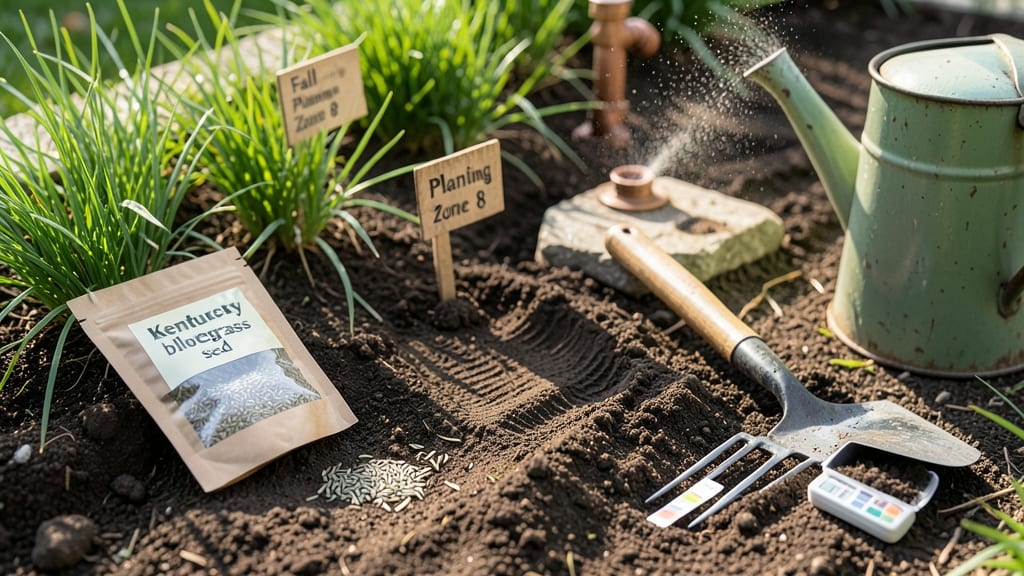
Planting grass seed in Portland, Oregon, works best between early September and mid-October or from March to early April — timing that aligns with the city’s mild coastal climate and 165 frost-free days.
Portland’s unpredictable rainy seasons and cool summers mean planting too early or late can leave your lawn struggling with weeds, uneven growth, or even washed-out seed. I’ve seen fast germination in September when soil stays warm enough, but April plantings often race against spring showers.
Cool-season grasses like Kentucky bluegrass and fescue dominate Portland lawns, thriving in the region’s USDA Zone 8a temperatures. Warm-season varieties like Bermuda grass, while possible, require hotter summers than Portland typically delivers.
Below, I break down the exact windows for overseeding or starting fresh, soil prep tricks to beat the rain, and how microclimates—like the Pearl District’s urban heat island—can shift your planting date by weeks.
Best planting windows for Portland grass seed: coastal climate breakdown
Portland’s USDA Zone 8a/9 climate creates unique challenges for grass seed germination. The coastal influence brings mild winters and high humidity, while inland areas experience warmer microclimates.
These conditions favor cool-season grasses like Kentucky bluegrass and fine fescue, which thrive in Portland’s 50-65°F soil temperatures during optimal planting windows.
Warm-season grasses like Bermuda or zoysia struggle in Portland’s climate unless planted in sheltered microclimates with warmer soil. Most gardeners focus on cool-season varieties, which establish best in early fall or late spring when rainfall patterns and temperature fluctuations align with germination needs.
Timing is critical because Portland’s unpredictable spring rains can wash out newly planted seeds, while late summer heat stresses young grass. The ideal planting window balances soil moisture, temperature stability, and weed competition—all factors I’ll break down in the table below.
| Planting Window | Grass Type | Soil Temp (°F) | Rainfall Needs | Key Considerations |
|---|---|---|---|---|
| Early September - Mid-October | Cool-season (Kentucky bluegrass, fescue) | 60-70°F | Moderate (0.5"-1" weekly) | Best germination, fewer weeds, cooler temps |
| March - Early April | Cool-season (same varieties) | 50-60°F | High (1"-1.5" weekly) | Risk of washout; overseed existing lawns |
| Late April - Early June | Warm-season (Bermuda, zoysia) | 70-80°F | Low (0.25"-0.5" weekly) | Limited success; best for microclimates |
| August (if drought-stressed) | Cool-season (repair only) | 65-75°F | Very low (drought tolerance) | High heat risk; use drought-resistant seeds |
The early fall window (September-October) is my top recommendation for Portland gardeners. During this period, daytime temperatures remain mild (70-75°F), while nighttime cooling prevents heat stress. The soil stays consistently moist from autumn rains, reducing irrigation needs while keeping seeds hydrated for 10-21 days of germination.
For spring planting (March-April), act quickly—Portland’s unpredictable April showers can turn your freshly seeded lawn into a muddy mess. I recommend overseding existing lawns in early March when soil temperatures hover around 50°F.
This gives seeds a 4-6 week head start before summer heat arrives, allowing roots to establish before weed competition intensifies.
Warm-season grasses like Bermuda or zoysia are rarely successful in Portland unless planted in south-facing microclimates with protected soil. Even then, they require consistent summer watering (1"-1.5" weekly) to survive our dry spells.
If you attempt warm-season grass, late April planting offers the best chance for root establishment before summer heat peaks.
One critical mistake I see Portland gardeners make is planting too late in fall. By mid-October, cooler soil temperatures (55°F or below) slow germination to a crawl. Seeds may rot in wet soil or fail to sprout before first frost (October 15).
Always check soil temperature with a soil thermometer—60°F is the minimum for reliable germination.
To maximize success, pair your planting with proper soil prep. Portland’s clay-heavy soils benefit from compost amendment (2-3 inches mixed in) to improve drainage and moisture retention.
After seeding, use a light straw mulch (¼ inch thick) to reduce erosion from heavy rains while keeping seeds moist but not waterlogged.
Remember: Portland’s coastal climate is forgiving in some ways—mild winters mean less frost damage—but it demands precise timing. Whether you choose early fall or late spring, focus on soil temperature, rainfall patterns, and weed prevention to give your new grass the best chance to thrive.
How to adjust planting timing for Portland’s rainy season: avoiding washout and weed competition
Portland’s consistent rainfall and cool temperatures create a double-edged sword for grass seed germination. While moisture helps seeds sprout, too much rain can wash them away or drown young seedlings.
I’ve learned that fall planting (September-October) often outperforms spring because cooler soils reduce weed competition, and seedlings establish before winter rains intensify.
The key to success lies in soil preparation and seed selection. Heavy clay soils common in Portland need amending with compost or peat moss to improve drainage, while sandy areas benefit from organic matter to retain moisture.
For seed selection, tall fescue blends handle Portland’s wet climate better than Kentucky bluegrass, which struggles with fungal diseases in damp conditions.
Here’s the critical trade-off between fall vs. spring planting in Portland’s climate:
Fall Planting (September-October)
Pros
- Soil stays warm enough (60-70°F) for germination
- Weeds are less aggressive in cooler fall temps
- Seedlings establish before winter rains peak
- Reduces watering needs as natural rainfall increases
Cons
- Late October plantings may struggle with frost
- Requires consistent moisture monitoring as rains increase
- Slower germination in cooler late-September soils
Spring Planting (March-April)
Pros
- Faster germination in warmer soils (65-75°F)
- Longer growing season before summer dormancy
- Easier to spot weeds early in new growth
Cons
- High weed competition as temperatures rise
- Risk of seed washout from spring rains
- Requires frequent watering during dry spells
For both seasons, I recommend pre-watering the soil 24 hours before planting to create a moist seedbed. After sowing, use a light mulch (straw or peat moss) to protect seeds from heavy rain while keeping them hydrated.
In spring, I’ve had success with hydroseeding—a slurry of seed, mulch, and fertilizer—because it sticks better to soil during Portland’s unpredictable downpours.
Post-planting care focuses on weed prevention. Apply a pre-emergent herbicide 4-6 weeks after germination to block weeds without harming young grass. In fall, I’ve seen corn gluten meal work well as a natural pre-emergent, though it’s less effective in spring when weed seeds are already active.
Remember that Portland’s microclimates vary dramatically—even within city limits. If you’re in a warmer urban pocket like the Pearl District, you might push spring planting into early May, while higher elevations like Forest Park may need to delay until late April.
Always check soil temperatures (not air temps) with a thermometer before planting.
With the right timing and prep, you can turn Portland’s rainy season into your lawn’s advantage—just don’t let those seeds become a washout! 🌧️🌱