
Planting
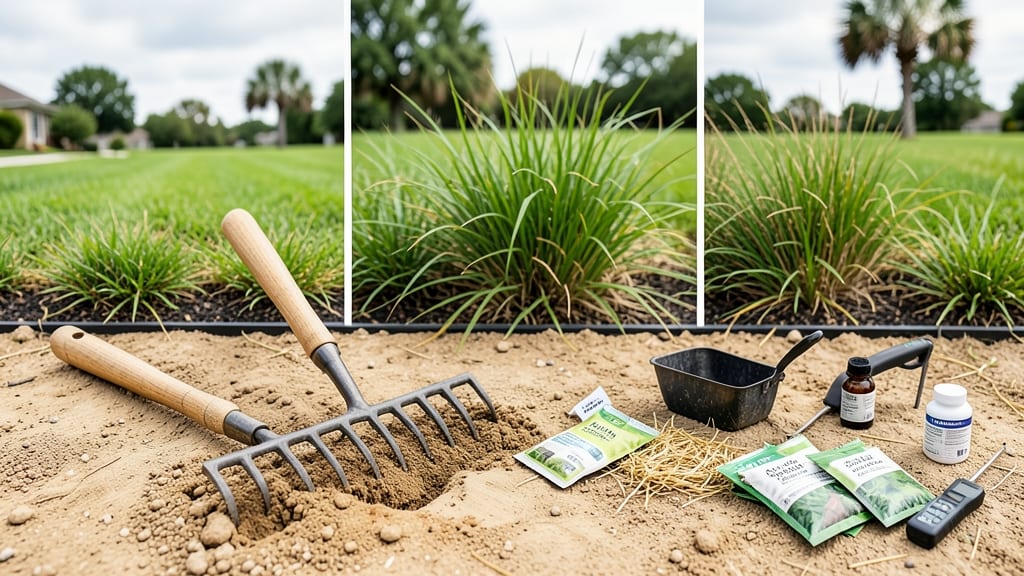
Planting grass seed in Florida at the wrong time can turn your lush lawn dreams into a patchy, sun-scorched mess—and the key to avoiding that disaster is timing.
Picture this: you’ve spent hours spreading seed, only to watch it bake under the summer sun or drown in a sudden downpour. Florida’s humid, unpredictable climate means the best planting windows aren’t just about seasons—they’re about avoiding extreme heat, drought, and even hurricane season.
Whether you’re in North Florida’s cooler winters or South Florida’s warm year-round climate, late summer to early fall and spring are your golden periods. But here’s the catch: even the right season can go wrong if you ignore soil prep, watering, or grass type.
Below, I’ll break down the exact timing for your region, the 3 critical mistakes that ruin lawns, and how to pick the right grass seed for Florida’s 8a-11 zones—so you can finally stop guessing and start growing.
Best planting windows for Florida grass seed by region and season
Florida’s climate throws curveballs—humid heat, sudden storms, and unpredictable rainfall make timing everything when planting grass seed. Unlike northern states, Florida’s three distinct regions (North, Central, South) each have unique windows for success.
Plant too early or too late, and you’ll battle fungus, drought, or weak germination. Let’s break down the perfect planting months for each region, so you avoid costly mistakes.
North Florida’s cooler winters (Zones 8a-8b) create a wider spring planting window than Central or South Florida. Meanwhile, Central (Zones 9a-9b) and South Florida (Zones 10a-11) thrive in late summer’s monsoon rains but struggle with summer’s brutal heat. The key? Soil temps between 65-75°F and consistent moisture—no guessing games.
| Region | Best Planting Window | Soil Temp (°F) | Rainfall Pattern | Avoid Planting |
|---|---|---|---|---|
| North Florida (Zones 8a-8b) | Late March–May September–October |
65–75°F | Spring showers, fall monsoons | June–August (heat stress) |
| Central Florida (Zones 9a-9b) | Late May–June August–September |
70–78°F | Summer monsoons, fall rains | July (peak heat), December–February (dormancy) |
| South Florida (Zones 10a-11) | June–July September–October |
75–85°F | Year-round humidity, hurricane season | November–April (dry season) |
For North Florida, early fall (September–October) is my top recommendation. Cooler temps and consistent rainfall give seeds the best shot at establishing deep roots before winter. Late March–May works too, but watch for spring storms that can wash away fresh seed.
Pro tip: Test soil moisture—it should feel like a damp sponge, not mud.
Central Florida’s monsoon season (June–July) is a game-changer for grass seed. The daily thunderstorms provide natural irrigation, but timing is critical—plant in the morning to avoid afternoon heat stress. August–September is another sweet spot, as temps drop slightly and humidity remains high.
Skip July’s peak heat (above 90°F), or seeds will bake before sprouting.
South Florida’s warm winters mean no frost worries, but the dry season (November–April) is a no-go for planting. Instead, aim for June–July or September–October, when humidity and occasional rains create ideal conditions. Hurricane season (June–November) adds risk—delay planting if storms are forecasted.
Use a soil thermometer to confirm temps stay below 85°F.
Regardless of region, avoid planting in extreme heat (above 90°F) or during drought conditions. Even Florida’s hardiest grasses, like Bahia or St. Augustine, struggle to germinate when soil dries out.
My rule of thumb: If you’re sweating just walking outside, your grass seed is in trouble. Water deeply 2x daily during establishment to keep soil moist but not soggy.
One often-overlooked factor is post-planting care. In North Florida, a light winter mulch (straw, not leaves) protects seeds from freeze risks (yes, they exist in Panhandle!). In Central/South Florida, shade cloth during peak afternoon sun helps young seedlings avoid heat shock.
And always fertilize lightly 4–6 weeks after planting—too much nitrogen too soon burns tender roots.
If you’re repairing a patchy lawn, focus on overseeding in fall (North/Central) or early summer (South). Existing grass shades new seeds, reducing competition.
For new lawns, till or aerate 2–3 weeks before planting to loosen compacted soil. pH matters too: Florida’s sandy soils often need lime (for acidity) or sulfur (for alkalinity)—test first!
Remember, Florida’s microclimates vary even within regions. Check your local weather patterns—some years, La Niña brings dry springs, while El Niño drenches fall. Stay flexible, and don’t rush: grass seed takes 7–21 days to germinate, depending on type and conditions.
Patience pays off with a thick, green lawn that outlasts Florida’s challenges.
🌱
3 Critical mistakes that ruin Florida grass seed planting (and how to fix them)
If you’ve ever planted grass seed in Florida only to watch it fail, you’re not alone. The humid heat and unpredictable rains make Florida one of the trickiest states for lawn success.
Even with the right timing, 3 common mistakes can turn your seed into a costly experiment. Let’s fix them before you start.
The first mistake is planting during extreme heat. Florida’s summer temperatures can soar to 95°F+, and grass seed struggles to germinate when soil temps exceed 85°F.
Without shade or proper watering, your seed will dry out before sprouting, leaving you with bare spots instead of a lush lawn.
The second mistake is skipping soil preparation. Florida’s sandy soils often lack nutrients and organic matter, which means your seed won’t have the foundation it needs to thrive. Without testing and amending the soil, you’re setting your lawn up for slow growth and weed invasion.
The third mistake is choosing the wrong grass type for your region. St. Augustine grass might be perfect for Central Florida, but it struggles in the drought-prone North. Planting the wrong variety means higher maintenance, weaker roots, and a lawn that can’t handle Florida’s hurricane season or freezes.
⚠️ When to Plant Grass Seed in Florida: The Critical Window
Florida’s ideal planting window is late summer to early fall (August-October) and spring (March-May). Soil temps should be 65-75°F for germination. Avoid June-August—the heat and drought will kill your seed before it grows.
To fix the heat mistake, plant in early fall when temps drop, or use shade cloth if you must plant in summer. Water twice daily (morning and evening) for the first 2 weeks to keep soil moist.
A light mulch of straw can also help retain moisture and protect seed from direct sun.
For the soil prep mistake, start by testing your soil’s pH (aim for 6.0-7.0) and amend with compost or peat moss to improve texture. If your soil is too sandy, mix in topsoil to help retain moisture.
A slow-release fertilizer at planting time gives your grass the nutrients it needs to establish strong roots.
Finally, fix the grass type mistake by choosing a variety suited to your region. Bahia grass thrives in North Florida’s drought-prone areas, while St. Augustine handles Central Florida’s humidity. South Florida’s Centipede grass is heat-tolerant but needs acidic soil. Always check the seed bag for USDA zone recommendations before buying.