
Plants
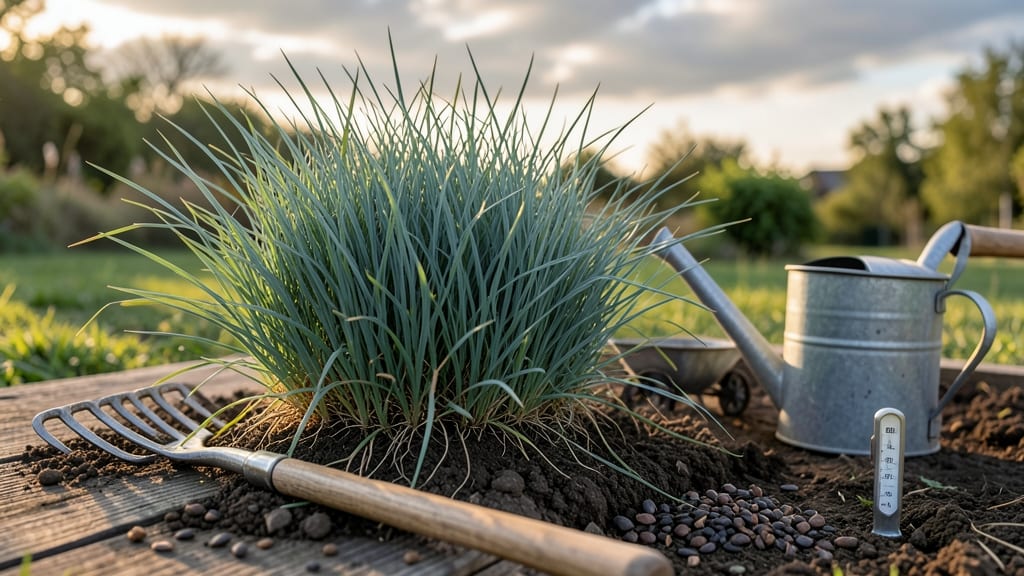
To plant fescue seed in Atlanta, aim for early fall—September or October—when soil temperatures hover between 60°F and 75°F for ideal germination.
Struggling to get your lawn lush and drought-resistant? Timing is everything. Plant too early, and summer heat will stress young roots; too late, and frost can stunt growth before roots establish. Atlanta’s 7b-8a climate gives you a narrow window to nail it right.
Fall planting isn’t just about avoiding heat—it’s when fescue’s deep root system gets its start. The cooler temps and consistent rainfall in September-October create perfect conditions for thick, resilient turf that survives Atlanta’s summer droughts.
Below, I’ll walk you through the exact steps: soil prep for clay-heavy Atlanta soil, seed depth tricks, and a watering schedule that keeps your new lawn thriving—no guesswork, just proven results for your zone.
Best months to plant fescue seed in Atlanta’s climate
Atlanta’s 7b-8a climate makes fall planting the gold standard for fescue seed—when soil stays between 60°F and 75°F and humidity drops just enough for seeds to germinate without drowning.
This window avoids summer’s brutal heat and winter’s early frosts, giving your lawn the best shot at establishing deep, drought-resistant roots before dormancy.
While September and October are prime, late August or early November can work if conditions are right. The key? Soil temperature—too hot, and seeds dry out; too cold, and germination stalls.
Atlanta’s average last frost date is November 15, so aim to plant at least 4-6 weeks before to avoid winter stress on young grass.
Atlanta’s humidity levels (often 60-70% in fall) can be a double-edged sword. High moisture speeds up germination but also invites fungal risks like dollar spot. That’s why I recommend planting when rainfall averages 1-1.5 inches per week—enough to keep seeds moist without creating soggy conditions.
September typically delivers this balance, while October’s drier air reduces fungal threats.
Here’s the breakdown of your best planting windows, including soil temps, rainfall, and frost risks:
| Month | Ideal Soil Temp (°F) | Avg. Rainfall (in) | Frost Risk | Germination Window |
|---|---|---|---|---|
| Late August | 70-75°F | 4.5-5.0 | Low | 3-4 weeks |
| September | 65-72°F | 3.0-4.0 | None | 4-5 weeks |
| October | 60-68°F | 2.5-3.5 | Minimal | 5-6 weeks |
| Early November | 55-62°F | 2.0-3.0 | Moderate | 3-4 weeks |
If you miss fall, early spring (March) is your backup—but it’s riskier. Spring planting in Atlanta means racing against summer heat, which can cause seed desiccation before roots establish. The 60-75°F soil temp window shrinks to just 2-3 weeks in March, compared to 8-10 weeks in fall.
For best results, stick to fall unless you’re repairing a damaged lawn and need a quick fix.
Atlanta’s clay-heavy soil also plays a role. In fall, the ground stays moist longer, reducing the need for constant watering.
But if you plant in late October or November, you’ll need to monitor for early frosts—especially in suburban areas like Duluth or Sandy Springs, which can drop below freezing 1-2 weeks earlier than downtown.
Use a lightweight row cover if frost threatens within 2 weeks of planting.
Pro tip: Test your soil 1-2 weeks before planting. Atlanta’s pH often skews acidic (5.5-6.5), and fescue thrives at 6.0-7.0. A simple lime application in late summer (before planting) can give your seeds a head start.
Pair this with 1-2 inches of compost to improve drainage in our heavy clay.
Remember, the first 30 days after planting are critical. Fescue seeds need consistent moisture to germinate, but overwatering can suffocate them. Aim for 1/4 inch of water daily (or 1 inch per week) using a rain gauge or tuna can test.
Atlanta’s fall rains often handle this, but supplement with early morning watering if drought hits.
By planting in September or October and following these steps, you’ll give your fescue lawn the best chance to outlast Atlanta’s summer heat and winter freezes—resulting in a thick, green carpet that’s the envy of the neighborhood. 🌱
How Atlanta’s microclimates affect fescue planting timing
Atlanta’s diverse microclimates—from urban heat islands to suburban elevation shifts—can shift your fescue planting window by weeks. The Chattahoochee River and Lake Lanier create localized humidity zones, while downtown’s concrete can bake soil 10°F hotter than nearby wooded areas.
These differences mean your neighbor’s perfect timing might fail in your yard.
Urban Atlanta’s concrete and asphalt absorb heat, drying out soil faster. This pushes your planting window earlier by 2-3 weeks compared to suburban areas. Meanwhile, higher elevations near Stone Mountain stay cooler, extending your fall window into early November. Ignore these factors, and you risk poor germination or wasted seed.
Here’s how to adjust your planting schedule based on Atlanta’s key zones:
| Zone | Key Features | Ideal Planting Window | Soil Moisture Notes | Adjustments Needed |
|---|---|---|---|---|
| Urban (Downtown, Midtown) | Heat islands, concrete surfaces, limited shade |
Late August– early September |
Dries faster; needs daily watering |
Use mulch; plant shade cloth if needed |
| Suburban (Buckhead, Sandy Springs) | Moderate elevation, tree cover, soil moisture retention |
September– mid-October |
Retains moisture; water every 3-4 days |
Add compost for better water retention |
| Rural/Near Water (Chattahoochee, Lake Lanier) | Higher humidity, cooler temps, clay-heavy soil |
September– November |
Stay moist longer; water every 5-7 days |
Aerate clay soil; avoid overwatering |
| Elevated Areas (Stone Mountain, North Atlanta) | Cooler temps, less humidity, well-draining soil |
Late August– early November |
Dries quickly; needs deep watering |
Use drip irrigation; plant earlier if possible |
If you’re in urban Atlanta, don’t wait until September—start in late August to beat the heat. For suburban areas, aim for mid-September when soil temps drop below 75°F. Near water sources like Lake Lanier, you’ve got until November, but test soil moisture weekly to avoid waterlogging.
Pro tip: Use a soil thermometer to confirm temps. Fescue seeds need 60°F–75°F soil to germinate—any hotter, and they’ll dry out before sprouting. In elevated zones, cooler temps mean you can push planting into early November, but stop by November 15 to avoid frost damage.
Adjust your watering schedule too: urban areas need daily watering post-planting, while rural zones can stretch to every 5–7 days. Match your routine to your microclimate, and your fescue will thrive where others fail. 🌱