
Plants
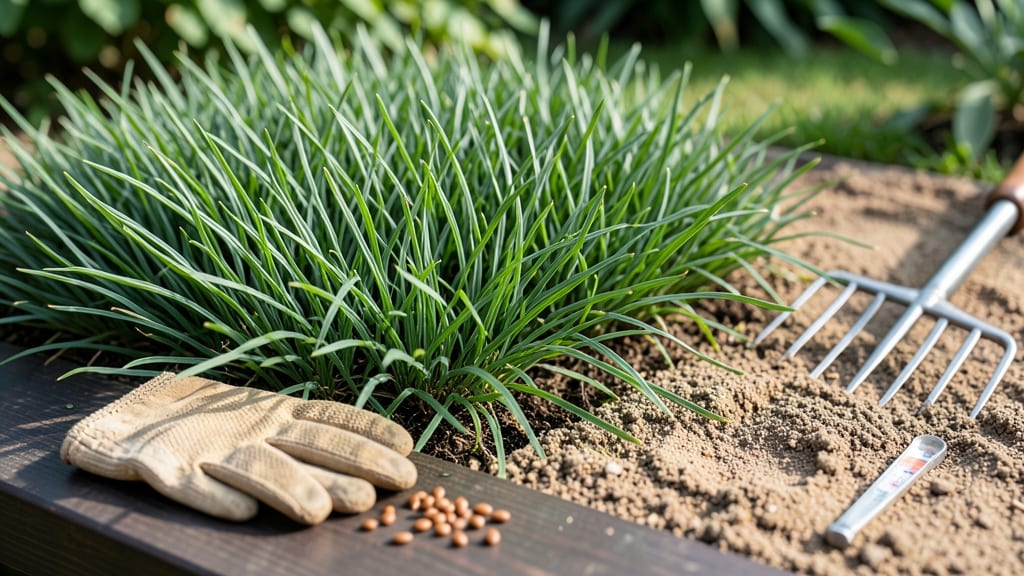
Planting Bahia grass seed in Florida at the right time ensures fast germination and a lush lawn that handles the heat and drought 🌱.
Struggling to get your Bahia grass to take root in Florida’s unpredictable climate? Planting at the wrong time can mean sparse growth or even failure—but timing it right guarantees a lush, drought-resistant lawn that thrives year-round.
Florida’s frost-free zones mean you can plant almost anytime, but the best months are late spring (March–June) and late summer (August–October). These windows balance warm soil, steady rainfall, and fewer extreme heat spells that can stress young grass.
Below, I’ll break down the ideal timing by region—North, Central, and South Florida—plus how to prep your soil for maximum success. Ready to get started?
Best months to plant Bahia grass seed in Florida by climate zone
Florida’s diverse climate zones—North, Central, and South—create unique conditions for planting Bahia grass seed. Unlike northern states, Florida’s frost-free winters mean you can plant almost year-round, but timing still matters to avoid heat stress or hurricane season disruptions.
The key is balancing soil temperatures (ideal: 70–85°F), rainfall patterns, and regional risks.
In North Florida (USDA zones 8a–9a), cooler winters and occasional light frosts mean spring (March–May) is your safest bet. Central Florida (9a–9b) thrives with late spring (April–June) or late summer (August–October) plantings, while South Florida (10a–11) can plant almost anytime—except during hurricane season (June–November).
Below is a detailed breakdown of the best months to plant by zone, including soil temperature thresholds and seasonal risks to watch for:
For North Florida, aim for March–May when soil warms to 70°F+. This window avoids frost risks while giving seedlings time to establish before summer’s heat. August–September is your second-best option, but monitor for hurricane warnings—young grass won’t survive flooding.
In Central Florida, April–June is ideal because soil temperatures stay consistently warm (75–85°F), and rainfall is steady. If planting in August–October, prioritize deep watering to combat summer droughts. Avoid June–July unless you’re in a shaded area—intense sun can scorch young sprouts.
South Florida gardeners have the most flexibility, thanks to its tropical climate. Plant anytime except during hurricane season (June–November). The best times are December–May, when dry conditions reduce fungal risks. If planting in summer, choose shaded microclimates to protect seedlings from afternoon sun.
Regardless of zone, always test your soil pH (6.0–7.0) and improve drainage before planting. Bahia grass hates soggy roots—amend heavy clay with compost or sand if needed. Once seeded, keep soil moist (not soggy) for 3–4 weeks to encourage germination.
Pro tip: In North Florida, use a lightweight row cover in late winter to protect seedlings from unexpected cold snaps. In South Florida, mulch with straw to prevent erosion during summer storms. Timing isn’t just about months—it’s about reading your local microclimate.
Ready to plant? Grab your seed, rake your soil, and choose your window based on the table above. Your drought-resistant lawn starts with the right timing! 🌱
Key factors that determine the perfect planting time for Bahia grass
Bahia grass thrives in Florida’s climate, but timing your planting is everything. The soil temperature must be consistently above 65°F for seeds to germinate properly. Coastal areas often warm up faster than inland zones, creating a microclimate difference you’ll need to account for.
Rainfall patterns also play a critical role—too much rain can waterlog seeds, while drought conditions stall germination. Florida’s humidity and summer thunderstorms can either help or hinder your success depending on when you plant. Let’s break down these factors to help you choose the perfect window for your region.
If you’re in North Florida, aim for May–June to avoid late-spring frost risks, even though they’re rare. The Central Florida zone (like Tampa) can start as early as April, while South Florida (e.g., Key West) may plant year-round with minimal stress.
Pro tip: Use a seed starter or mulch to retain moisture if planting during dry spells. Bahia grass is drought-tolerant once established, but young seeds need consistent moisture to sprout. Monitor your local weather forecasts for extended dry periods.
Finally, consider your long-term goals. If you’re planting for forage or erosion control, prioritize early summer planting for faster establishment. For aesthetic lawns, late summer (August–October) often yields better results with cooler temps and steady rainfall.
By aligning your planting with these key factors, you’ll give your Bahia grass the best shot at thriving in Florida’s unique climate—no matter where you live in the state. Happy planting! 🌱