
Plants
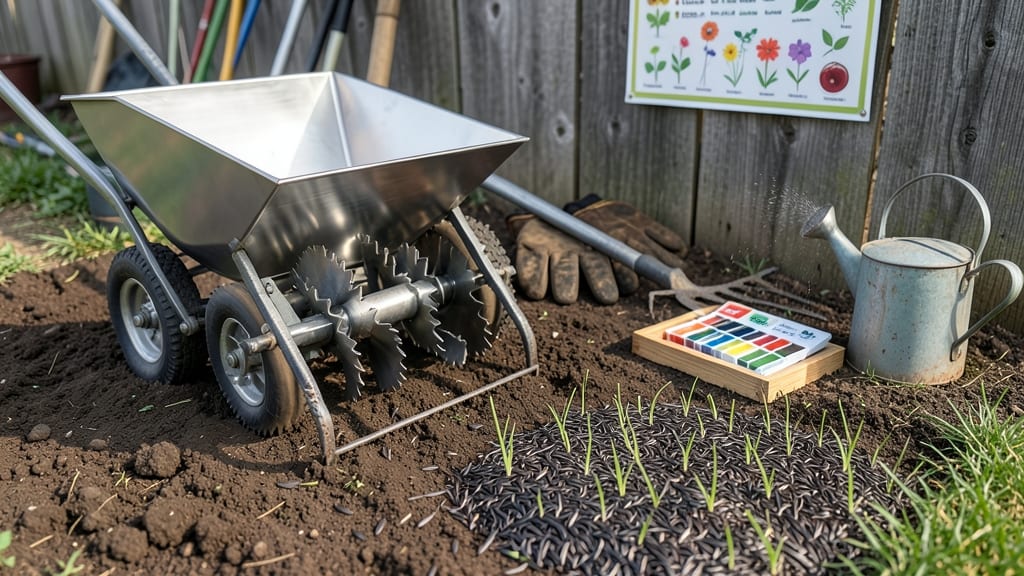
Planting grass seed in Ohio at the right time means the difference between a lush lawn and a patchy, weed-filled disappointment.
Ohio’s unpredictable spring and fall weather can make grass seeding a high-stakes gamble—plant too early, and frost kills your efforts; too late, and weeds take over. Timing is everything for lush, weed-resistant lawns.
Cool-season grasses like Kentucky Bluegrass and Fescue thrive when soil temperatures hover between 40°F and 55°F, which in Ohio’s Zone 6a means two ideal windows: late March to early May and mid-September to early October.
In this guide, I’ll break down the exact deadlines by month, how to adjust for Ohio’s microclimates, and the five mistakes that ruin even the best-laid plans—so you can finally get that thick, green lawn you’ve been dreaming of.
Ohio grass seed planting deadlines by month: cool-season rules
Ohio’s cool-season grasses like Kentucky Bluegrass and Fescue need precise timing to thrive. The ideal soil temperature range of 40°F to 55°F creates two perfect planting windows: spring and early fall. Planting outside these windows risks frost damage, heat stress, or weed competition.
In Ohio’s Zone 6a, early spring planting should begin 4-6 weeks before the last frost (typically mid-March to early April). Fall planting works best 6 weeks before the first frost (usually mid-September to early October). Missing these windows means slower germination and weaker roots.
Here’s your month-by-month guide to avoid common mistakes and maximize germination success:
| Month | Planting Window | Soil Temp | Key Considerations |
|---|---|---|---|
| March | ✅ Best for early spring planting | 40-50°F | Wait for consistent temps above 40°F; avoid late frosts |
| April | ✅ Ideal spring deadline | 50-55°F | Plant before May heat; water daily for 30 days |
| May | ❌ Risky—heat stress likely | Above 60°F | Grass may go dormant; weeds dominate instead |
| September | ✅ Best fall window | 55-60°F | Plant 6 weeks before frost; roots establish before winter |
| October | ✅ Last chance for fall planting | 45-50°F | Avoid planting after mid-October; frost kills seedlings |
| November | ❌ Too late—frost risk | Below 40°F | Seedlings won’t establish roots before winter |
For spring planting, aim to finish by early May—after that, Ohio’s heat causes grass seeds to dormant instead of germinate. The 30-day rule applies: seeds need consistent moisture for full root development, so daily watering is non-negotiable.
Fall planting is often more successful because cooler temps reduce weed competition. Start in mid-September when soil is still warm enough for germination but cool enough to avoid stress. By early October, you’ve got a 6-week head start before frost.
Ohio’s northern regions (like Cleveland) may need to plant 1-2 weeks earlier than southern areas (like Cincinnati). Always check your local frost dates—the USDA Plant Hardiness Zone Map is your best friend for adjustments.
Pro tip: Use a soil thermometer to confirm temps are 40°F+ before planting. If the ground feels cold to the touch, wait a few days. Patience here means thicker grass and fewer weeds down the road.
Remember, Kentucky Bluegrass and Fescue are cool-season grasses—they dormant in summer but thrive in Ohio’s spring and fall. Sticking to these deadlines ensures your lawn stays green, dense, and weed-free year-round.
How to adjust planting dates for Ohio’s microclimates
Ohio’s diverse microclimates mean planting dates can vary by hundreds of miles—even within the same county. Northern Ohio’s colder springs delay seeding by 2-3 weeks compared to southern Ohio’s warmer climate.
For example, Toledo’s last frost typically arrives by April 15, while Athens’ frost date is often May 1.
Urban areas like Columbus and Cincinnati experience urban heat islands, where pavement and buildings trap heat, pushing soil temperatures 5-10°F warmer than rural areas. This can extend your fall planting window by 10-14 days compared to nearby farmland.
High-altitude areas, like those in Appalachian Ohio, may have cooler microclimates with later frost dates. If you’re above 1,000 feet, adjust planting schedules by 1-2 weeks later than your zone’s average.
For shaded lawns, where sunlight is limited, opt for fine fescue mixes that tolerate lower light. These grasses germinate slower but thrive in 3-4 hours of sun, extending your planting window by 2-3 weeks compared to sun-loving Kentucky Bluegrass.
If your yard sits in a low-lying area, watch for late spring frosts that can linger longer than higher elevations. Use a soil thermometer to confirm temperatures stay above 50°F for 5 consecutive days before seeding.
Pro tip: Track your local microclimate by monitoring neighborhood weather stations or using apps like PlantNet. These tools provide hyper-local data to fine-tune your planting schedule for maximum germination success. 🌱