
Plants
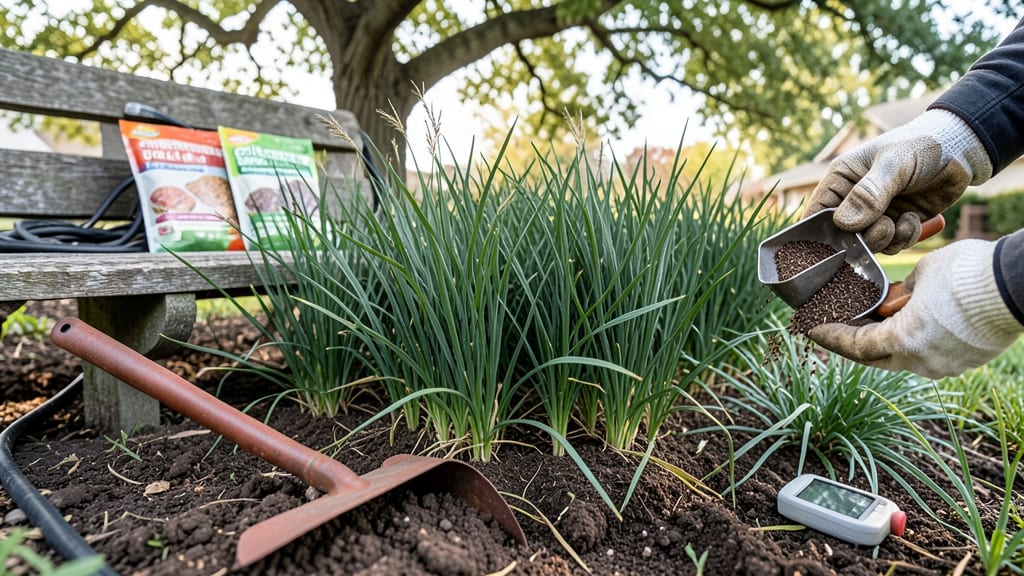
Planting grass seed in Missouri at the right time is the difference between a thick, weed-resistant lawn and a patchy, frustrating mess.
Missouri’s unpredictable spring and fall weather can make or break your lawn—planting grass seed at the wrong time means thin patches, weeds, and wasted effort. But timing it perfectly ensures a lush, resilient lawn that outcompetes weeds naturally.
In Missouri’s 5b-6b climate zones, the ideal window is early spring (March–April) or early fall (September–October), when soil temperatures hover between 55–75°F. Plant too early, and frost will kill new shoots; too late, and summer heat stresses seedlings.
Below, I’ll break down the exact months for your region, soil prep secrets for Missouri’s clay-heavy soil, and the top grass varieties that thrive here—plus how to water and fertilize for a lawn that stays green all season.
Best months to plant grass seed in Missouri (by climate zone)
Missouri’s climate varies dramatically from north to south, making timing your grass seed planting critical for success.
Northern Missouri’s cooler temperatures and shorter growing season demand earlier planting, while southern Missouri’s longer heat waves require a tighter fall window. Get it wrong, and you’ll face thin patches, weed invasions, or wasted seed.
Let’s break down the perfect planting windows for each zone to ensure a thick, resilient lawn.
In northern Missouri (USDA Zones 5b-6a), where winters are colder and springs arrive later, your best bet is early spring planting.
Southern Missouri (Zones 6a-6b) can extend its window slightly, but summer heat makes late planting risky. Soil temperature is your best guide—wait until it reaches 55°F for cool-season grasses or 65°F for warm-season types. Below, you’ll see the exact months and deadlines for each zone.
Why timing matters: Planting too early means seedling stress from frost; too late, and summer heat dries out new growth before roots establish. Missouri’s unpredictable spring rains and fall frost dates add another layer of complexity. Use this guide to avoid common mistakes like overwatering in summer or underpreparing soil in fall.
Comparison Table: Grass Seed Planting Windows by Missouri Climate Zone
For northern Missouri, early spring planting (mid-March to mid-April) gives seedlings time to establish before summer heat arrives.
Fall planting should wrap up by October 15 to avoid early frosts. Cool-season grasses like Kentucky Bluegrass and Tall Fescue dominate here, thriving in Missouri’s cooler climate. Test soil temperature with a simple thermometer—if it’s below 55°F, wait a week or two.
Southern Missouri’s longer growing season allows for a slightly extended window, but don’t push your luck. Plant warm-season grasses like Bermuda or Zoysia in late summer (August-September) to avoid summer drought stress.
These grasses need consistent moisture during establishment, so plan for daily watering until roots are deep. Missouri’s clay soils can bake hard in summer, so mulch lightly to retain moisture.
Missouri’s unpredictable weather means even the best-laid plans can go awry. If spring rains delay planting, use a seed starter fertilizer to jumpstart germination.
For fall plantings, aim to finish 4-6 weeks before frost—this gives roots time to anchor before winter. Overseeding in fall is ideal for repairing thin lawns, but don’t skip soil prep; compacted soil from summer will smother new growth.
One common mistake is planting too late in spring when soil temperatures rise above 75°F. At this point, grass seed struggles to germinate, and weeds take over. Use a shade cloth if you must plant in late spring to protect seedlings from intense sun.
Similarly, fall plantings after October 15 risk frost damage before roots establish. Monitor local forecasts and adjust your timeline accordingly.
Pro tip: Divide your lawn into sections and plant in stages if your area is large.
This spreads out labor and ensures consistent moisture. Water deeply twice daily (morning and evening) for the first two weeks, then taper to 1 inch per week once seedlings are up. Avoid walking on new grass until it’s 3-4 inches tall—this prevents soil compaction and root damage.
Missouri’s microclimates mean your neighbor’s perfect timing might not work for you. Observe your own yard: Does it stay cooler in shaded areas? Does it dry out faster on south-facing slopes?
Adjust your planting window by 1-2 weeks based on these factors. Shade-tolerant grasses like Fine Fescue can extend your options in low-light areas.
Finally, don’t rush to mow—wait until grass reaches 3-4 inches tall before the first cut. This ensures deep root growth and outcompetes weeds. Use a sharp mower blade to avoid tearing grass, and never cut more than 1/3 of the blade height at once.
With the right timing and care, your Missouri lawn will be the envy of the neighborhood—thick, green, and weed-free.
How to prepare Missouri soil for grass seed planting (step-by-step)
Missouri’s clay-heavy and loamy soils need special attention before planting grass seed. Without proper prep, seeds struggle to germinate, leading to thin, patchy lawns that invite weeds.
The key is breaking up compacted soil, balancing pH levels, and eliminating competition from weeds—all while working within Missouri’s 55–75°F soil temperature window.
Start by testing your soil’s pH and nutrient levels using a home kit or sending a sample to the University of Missouri Extension. Ideal pH for most Missouri grasses is 6.0–7.5.
If your soil tests too acidic (below 6.0), apply lime 4–6 weeks before planting. For alkaline soil (above 7.5), use sulfur or peat moss to lower the pH gradually.
Next, tackle weed and debris removal. Use a broadleaf herbicide like 2,4-D (follow label instructions) 2–3 weeks before planting to kill existing weeds without harming grass seedlings. For stubborn weeds like nutsedge, hand-pull or smother with black plastic sheeting for 2 weeks before planting.
🌱 Step-by-Step Soil Prep for Missouri Grass Seed
-
Step 1: Test Soil
Use a soil test kit to check pH (6.0–7.5) and nutrients. Missouri’s clay soil often needs organic matter (compost or peat moss) to improve drainage. -
Step 2: Adjust pH
Apply lime (for acidic soil) or sulfur (for alkaline soil) 4–6 weeks before planting. Work into the top 4 inches of soil. -
Step 3: Kill Weeds
Spray pre-emergent herbicide (like corn gluten meal) or hand-pull weeds. Avoid post-emergent herbicides 2 weeks before planting. -
Step 4: Loosen Soil
Use a tine cultivator or rototiller to break up compacted clay soil to a depth of 3–4 inches. This improves seed-to-soil contact. -
Step 5: Level and Rake
Drag a lawn rake over the area to create a fine, firm seedbed. Fill low spots with a mix of topsoil and compost (50/50). -
Step 6: Add Starter Fertilizer
Spread a low-nitrogen starter fertilizer (10-10-10) at ½ lb per 100 sqft. This provides phosphorus for root growth without burning seedlings. -
Step 7: Moisten Soil
Water the prepared bed until soil is damp but not soggy. This ensures seeds stay in contact with moisture for consistent germination.
After prepping the soil, spread your grass seed evenly using a broadcast spreader or by hand. For Missouri’s climate, a mix of cool-season (Kentucky Bluegrass) and warm-season (Tall Fescue) grasses works best.
Lightly rake the seed into the soil to ensure good contact, then cover with a thin layer of straw to retain moisture and protect seedlings from birds.
Watering is critical in the first 2–3 weeks after planting. Keep the soil consistently moist (about 1 inch per week) by watering early in the morning to reduce evaporation and fungal risks. Avoid walking on the lawn until the grass reaches 3–4 inches tall to prevent disturbing young roots.
With proper soil prep, your Missouri lawn will germinate 2–3 weeks after planting, outcompeting weeds and establishing a dense, resilient turf that thrives year-round. The key is patience—skipping steps like pH adjustment or weed control now means years of patchy lawns later.