
Companion Plants
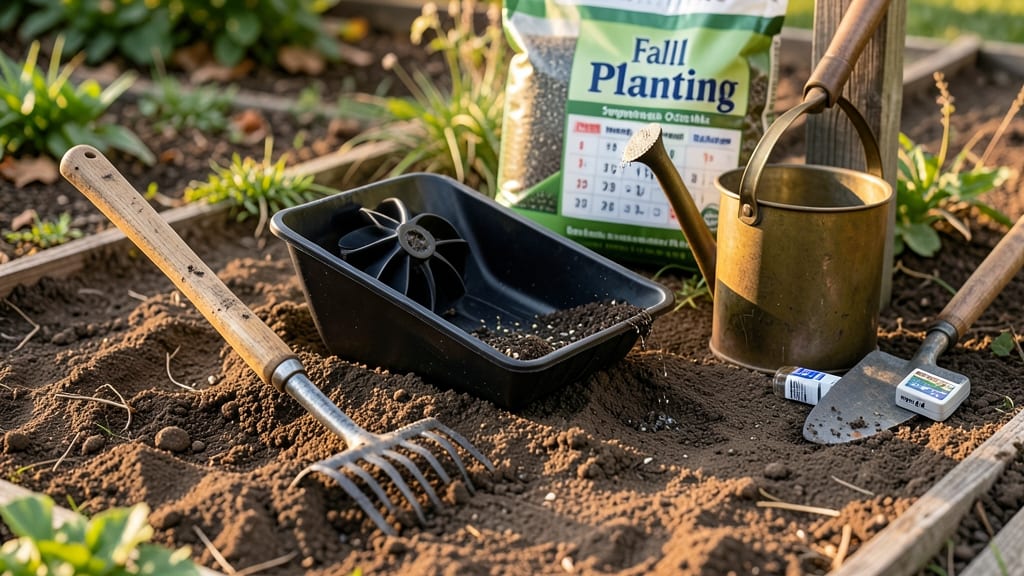
Planting grass seed in the fall is the smartest move for a thick, frost-resistant lawn—just time it right, and you’ll outpace weeds while cooler temps help roots take hold.
Picture this: You’ve spent hours prepping your soil, choosing the perfect seed blend, and even marking your calendar. But if you plant too early, weeds steal the show. Too late, and frost locks out those delicate roots before they can establish.
The 4-6 week window before your first frost is your sweet spot in most of the U.S., but zones 3-10 each have their own deadlines.
In USDA Zone 6a (like much of the Midwest), aim for late August to early September—just enough time for roots to dive deep before winter sets in. Skip the guesswork with zone-specific frost maps and soil prep steps that cut down on common mistakes like uneven germination or winter kill.
Below, I’ll walk you through the exact deadlines by zone, how to prep your soil for maximum germination, and the 5 critical mistakes that derail even the best-laid plans. Ready to grow a lawn that survives—and thrives—through winter?
Fall grass seed planting deadlines by US planting Zones (with frost risk maps)
Planting grass seed in the fall gives your lawn a head start before winter, but timing is everything. Cool-season grasses like Kentucky bluegrass and fescue need 4-6 weeks before the first frost to establish strong roots.
Warm-season grasses like Bermuda can be planted slightly later, but they still need time to harden off before winter. The key? Know your USDA Planting Zone and local frost dates.
Most gardeners rely on the USDA Plant Hardiness Zone Map to guide planting, but frost risk varies even within zones. For example, Zone 5 might have a first frost in mid-October, while Zone 8 could see frost as late as December.
To avoid weak roots or winter kill, I recommend checking your local last frost date and planting 6 weeks before that date. You can find these dates using tools like the Old Farmer’s Almanac or your local Cooperative Extension Service.
Here’s how to adjust your planting timeline based on your zone. The comparison table below breaks down ideal planting windows, soil temperatures, and frost risk for Zones 3 through 10. Use this as your guide to avoid common mistakes like planting too late or too early.
If you’re unsure about your local frost dates, I recommend using the National Oceanic and Atmospheric Administration (NOAA) frost prediction maps or checking with your local agricultural extension office.
For example, in Zone 5, where I live, the average first frost is October 15th, so I plant my tall fescue by early September to ensure it has time to establish roots before winter dormancy.
One mistake I see often is planting too close to frost. If you wait until October 1st in
How to prepare your soil and choose the right grass seed for fall planting
Fall is the perfect time to plant grass seed because cooler temperatures and fewer weeds give your new lawn the best chance to establish strong roots before winter. But before you scatter seeds, your soil needs the right conditions to support germination.
Start by testing your soil pH—most grasses thrive in a range of 6.0 to 7.0. If your soil is too acidic or alkaline, amend it with lime (to raise pH) or sulfur (to lower pH) at least 4-6 weeks before planting.
Next, focus on soil aeration to break up compacted areas. Rent a core aerator or use a manual aerating tool to create small holes in your lawn. This allows oxygen, water, and nutrients to reach the roots of your new grass.
After aerating, spread a 2-3 inch layer of compost over the entire area and lightly rake it in. This improves soil structure and provides essential nutrients for seedling growth.
🌱 5 Steps to Prep Soil & Pick the Right Grass Seed
- Test soil pH (aim for 6.0-7.0) and amend if needed with lime or sulfur.
- Aerate compacted soil to improve root penetration and water absorption.
- Spread 2-3 inches of compost and rake it in for nutrient-rich soil.
- Choose cool-season grass (e.g., Kentucky bluegrass, fescue) for northern climates or warm-season grass (e.g., Bermuda, Zoysia) for southern regions.
- Seed 4-6 weeks before first frost for optimal root development before winter.
Choosing the right grass seed blend depends on your climate and lawn needs. Cool-season grasses like tall fescue or ryegrass are ideal for northern regions (Zones 3-7) because they thrive in cooler fall temperatures.
For southern climates (Zones 8-10), opt for warm-season grasses such as St. Augustine or centipede, which handle heat better but struggle in cold winters. Mixing seed types can also improve disease resistance and drought tolerance.
Once your soil is prepped, overseed thin or bare patches by spreading seed evenly with a broadcast spreader. Lightly rake the area to ensure good seed-to-soil contact, then cover with a thin layer of straw mulch (no more than ¼ inch) to retain moisture.
Water gently but deeply to keep the soil moist—not soggy—until germination occurs, which typically takes 7-21 days depending on the grass type.
After germination, gradually reduce watering to encourage deeper root growth. Avoid heavy foot traffic until the new grass reaches 3-4 inches tall, as this can damage delicate seedlings. With the right soil prep and seed selection, your fall-planted lawn will be thicker and greener than ever by spring.