
Plants
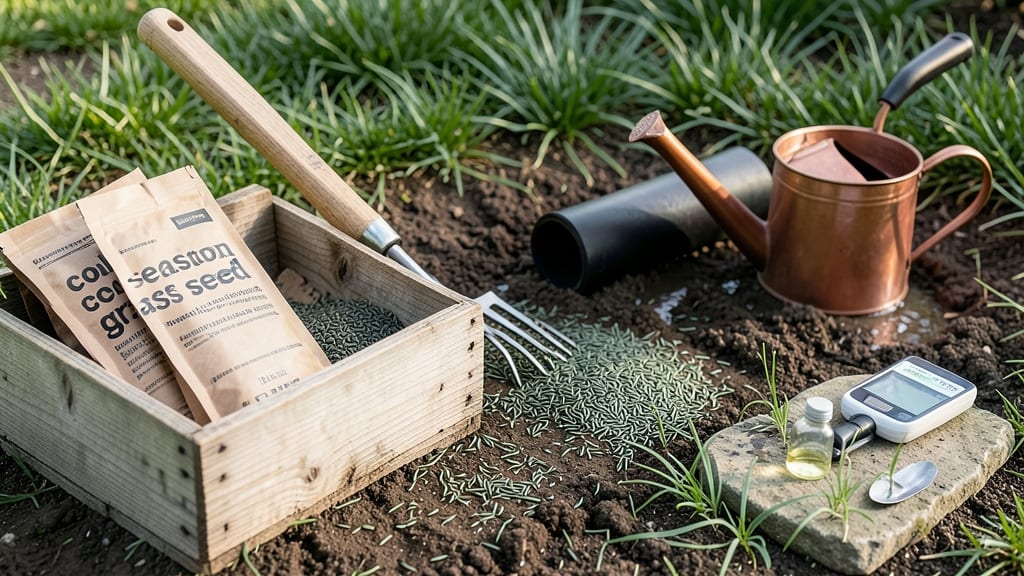
Planting grass seed in Massachusetts at the right time means the difference between a thick, weed-resistant lawn and a patchy, struggling yard 🌱.
If you’ve ever stared at a bare spot in your lawn wondering why it won’t fill in, the answer might be as simple as planting too early or too late.
Massachusetts’ cool-season climate demands precision—get the timing wrong, and you’ll battle weeds, drought, or frost instead of enjoying a lush green carpet.
Most gardeners know spring is a good window, but the real secret lies in early fall, when soil stays warm long enough for roots to take hold before winter sets in.
Whether you’re in Boston’s coastal zone or the inland hills of the Berkshires, the right timing ensures your seed germinates fast and outcompetes weeds.
Below, I’ll break down the exact months to plant, how to prep your soil for success, and the common mistakes that turn a promising lawn into a disappointment. Let’s get started.
Best times to plant grass seed in Massachusetts: cool-season window explained
Massachusetts gardeners know that cool-season grasses like Kentucky bluegrass, tall fescue, and fine fescue thrive in our climate—but timing is everything. Planting at the wrong time can lead to patchy growth or wasted seed.
The optimal window for Massachusetts spans early fall, late summer, and spring, with regional variations between coastal and inland areas.
Why? Because cool-season grasses establish roots best when soil temperatures hover between 50°F and 70°F. This range gives seedlings enough warmth to germinate while avoiding the heat stress of summer or the freeze risks of late fall.
Let’s break down the best months and why they work for your lawn.
| Planting Window | Soil Temp (°F) | Best For | Regional Notes |
|---|---|---|---|
| Early Fall (Late August–Mid-September) | 60–70°F | Root establishment before winter | Coastal areas: Extend to early October |
| Late Summer (Mid-August) | 65–75°F | Avoids summer drought stress | Inland: Start earlier (late July) |
| Early Spring (Mid-April–Early May) | 50–60°F | Fast growth before weeds take over | Coastal: Wait until early May |
| Avoid: Late Fall (After October) | Below 50°F | Frost risk kills seedlings | Inland: Frost can arrive by mid-October |
Late summer and early fall are my top recommendations for Massachusetts lawns. Why? Because seedlings planted in September get 6–8 weeks of warm soil to germinate before winter dormancy sets in. This gives roots a strong head start, leading to thicker, weed-resistant lawns by next spring.
Inland areas like Worcester or Springfield may need to plant slightly earlier (late August) to beat the first frost.
Spring planting is a close second, but it comes with challenges. Seeds sown in April or May face competition from weeds and may struggle if summer drought hits.
To succeed, focus on pre-emergent weed control and keep soil consistently moist. Coastal regions like Cape Cod or Provincetown can delay until early May to avoid late-spring frosts.
Soil temperature is your best guide. Use a soil thermometer to confirm conditions—ideal temps for cool-season grasses are between 50°F and 70°F. If temps dip below 50°F, germination slows dramatically.
Pro tip: Check the National Weather Service for your local frost dates—coastal areas typically have a 2–3 week later frost window than inland zones.
Regional microclimates play a huge role. Inland cities like Boston or Worcester often see earlier frosts (mid-October), while coastal towns like New Bedford or Hyannis can extend planting into early November.
If you’re unsure, err on the side of earlier planting—late summer offers the best balance of warmth and moisture for seedling success.
One common mistake? Planting in late summer heat (July or early August). While soil temps may be ideal, the intense sun and dry conditions can bake seedlings before they establish.
If you must plant in summer, do it in late August and prioritize daily watering to keep soil moist. Mulch with straw to retain humidity and protect young shoots.
For best results, combine your planting window with proper soil prep. Aerate compacted soil in early fall, test pH (aim for 6.0–7.0), and remove weeds before sowing.
Cool-season grasses like tall fescue or Kentucky bluegrass will reward you with a dense, resilient lawn if you nail the timing—and Massachusetts’ climate gives you multiple chances to get it right.
Ready to transform your lawn? Mark your calendar for late August or September—that’s when the magic happens for cool-season grasses in Massachusetts. 🌱
How to prepare your Massachusetts lawn for grass seed planting: soil, weather, and prep checklist
Now that you know the best planting windows for Massachusetts, let’s focus on the preparation steps that make or break your lawn’s success. Skipping soil prep is the #1 reason grass seed fails—even with perfect timing.
Your goal is to create an ideal environment where seeds can germinate quickly and outcompete weeds. Start by testing your soil pH and adjusting it to the 6.0–7.0 range, which is perfect for cool-season grasses like tall fescue and Kentucky bluegrass.
Use a soil test kit (available at garden centers) to check pH and nutrient levels. If your soil is too acidic (below 6.0), add lime in early fall or spring. For alkaline soil (above 7.0), work in sulfur or peat moss 2–3 months before planting.
Massachusetts soils often need these adjustments—especially in urban areas where compacted soil dominates. Pro tip: Mix in compost or well-rotted manure to improve soil structure and provide organic matter.
-
Step 1: Clear and Aerate
Remove all debris, rocks, and weeds from your lawn. Use a lawn rake or dethatching tool to clear surface thatch. Then, aerate compacted soil in early fall (September) or early spring (April) using a core aerator. This creates holes for roots and improves water absorption. -
Step 2: Test and Adjust Soil
Test your soil’s pH and nutrient levels. Amend with lime (for acidic soil) or sulfur (for alkaline soil). Mix in 2–3 inches of compost to improve fertility and drainage. For sandy soils, add peat moss to retain moisture. -
Step 3: Choose the Right Seed Blend
Select a cool-season grass mix suited to your lawn’s sun exposure. For full sun, opt for tall fescue (drought-tolerant) or Kentucky bluegrass (dense, but needs more water). For shady areas, choose fine fescue or perennial ryegrass. -
Step 4: Apply Pre-Emergent Weed Control
If planting in spring, apply a pre-emergent herbicide 2 weeks before sowing to block weeds. Skip this step if planting in fall, as weeds are less aggressive. For organic lawns, use corn gluten meal as a natural pre-emergent. -
Step 5: Spread Seed Evenly
Use a broadcast spreader for even coverage. Aim for 10–15 lbs of seed per 1,000 sqft for new lawns. Lightly rake seeds into the soil (¼ inch deep) to ensure good seed-to-soil contact. For slopes, use a sloped-box spreader to prevent runoff. -
Step 6: Mulch and Water
Cover seeds with a thin layer of straw mulch (¼ inch) to retain moisture and protect from birds. Water lightly 2–3 times daily to keep soil moist (not soggy) until germination (7–21 days). After germination, water deeply 1–2 times weekly to encourage deep root growth. -
Step 7: Monitor Weather
Check the 7-day forecast for rain. If no rain is expected, increase watering to ½ inch per week. Avoid planting if a hard frost is predicted within 5–7 days. In Massachusetts, coastal areas have a 2–3 week later frost window than inland zones—plan accordingly.
Don’t overlook weed control before planting. Use a non-selective herbicide like glyphosate to kill existing weeds 2 weeks before sowing (follow label instructions carefully). For organic options, hand-pull weeds or smother them with cardboard and mulch for 4–6 weeks.
Weeds compete fiercely with young grass seedlings, so a weed-free start is critical.
When selecting grass seed, consider your lawn’s sun exposure and foot traffic. Tall fescue is my top pick for Massachusetts—it tolerates drought, shade, and heavy use better than Kentucky bluegrass.
For shady spots, mix in fine fescue (30–50% of the blend). Always buy high-quality seed with a purity guarantee of 90% or higher to avoid weeds like annual ryegrass or crabgrass.
Finally, pay attention to weather forecasts in the days leading up to planting. If a heatwave or drought is predicted, delay planting until conditions improve. Massachusetts’ inland areas (like Worcester) dry out faster than coastal regions—keep this in mind when scheduling.
With the right prep, your grass seed will germinate in 7–14 days and establish a thick, weed-resistant lawn by next spring.
Ready to transform your lawn? Grab your soil test kit, mark your calendar for late August or September, and follow these steps for a lush, green carpet that lasts all season. 🌱