
Plants
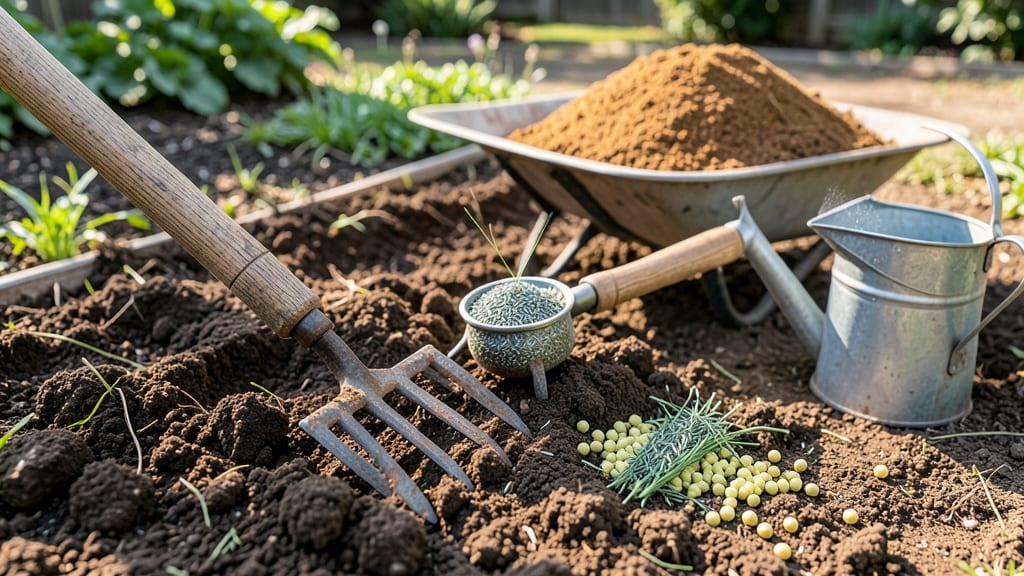
A thick, green lawn starts with knowing when is a good time to plant grass seed in the spring—timing makes all the difference. Planting too early or too late can lead to frost damage, slow germination, or even wasted seed.
I’ve seen lawns fail because they were planted at the wrong time, and I’m here to help you avoid that frustration.
Spring is your golden window—but get the timing wrong, and you risk frost damage, slow germination, or even wasted seed. I’ve seen lawns fail because they were planted too early or too late, and I’m here to help you avoid that frustration.
For cool-season grasses like Kentucky bluegrass or fescue, the ideal window is 4-6 weeks before your last frost, when soil temperatures hit 50-65°F. In Zone 6a, that usually means mid-March to early April, but regional differences matter.
Below, I’ll break down the exact deadlines by climate, how to prep your soil, and what to watch for to ensure your grass takes hold—no guesswork, just a lush lawn by summer.
Best spring planting windows for cool-season grass seed by region
Timing your cool-season grass seed planting is everything—get it right, and you’ll have a thick, vibrant lawn by summer. Get it wrong, and you’ll battle frost damage, drought stress, or weed invasions.
The ideal window hinges on two key factors: soil temperatures (aim for 50–65°F) and your last frost date. Plant too early, and seedlings will freeze; too late, and summer heat will dry them out before they establish.
Most cool-season grasses (like Kentucky bluegrass, tall fescue, and perennial ryegrass) thrive when sown 4–6 weeks before your last frost. This gives roots time to anchor before summer’s heat arrives.
But your exact deadline depends on where you live—Northern climates have a longer window than Southern ones. Let’s break it down by region so you can plant with confidence.
Pro Tip: Use a soil thermometer to confirm temps before planting. If your soil is below 50°F, wait—even if the air feels warm. Grass seed needs consistent warmth to germinate, not just a brief heatwave.
| Region | Ideal Planting Window | Soil Temp Threshold | Key Risks |
|---|---|---|---|
| Northeast (USDA Zones 4–6) | Mid-to-late April | 50–60°F (consistently) | Late frosts, compacted soil |
| Midwest (USDA Zones 5–7) | Early April to early May | 55–65°F (daytime) | Drought stress if planted late |
| Pacific Northwest (USDA Zones 7–9) | Late March to mid-April | 50–60°F (mild climate) | Weed competition from wet springs |
| Southern States (USDA Zones 7–10) | Early March to mid-April | 60–65°F (critical for germination) | Summer heat drying out seedlings |
If you’re in the Northeast, aim for mid-to-late April—this gives your grass 6–8 weeks to establish before summer’s heat peaks. The Midwest has a slightly longer window (early April to early May), but don’t wait past May 1st or you’ll struggle with drought stress.
Meanwhile, the Pacific Northwest’s mild springs mean you can plant as early as late March, but watch for weed competition if rains linger.
For Southern states, the clock ticks faster—plant by mid-April at the latest. Grass seed here needs to germinate quickly before summer’s 90°F+ days arrive. If you miss the window, consider shade cloth or mulch to protect seedlings from heat until they root.
One common mistake? Relying on air temperature instead of soil temperature. A sunny 60°F day might feel perfect, but if your soil is still 45°F, your seed will rot. Use a soil thermometer for 3–5 days to confirm consistency—this is your green light to plant.
After planting, keep soil moist (not soggy) for the first 2–3 weeks. Cool-season grasses need 1–1.5 inches of water weekly, delivered in the morning to prevent fungal diseases.
If your area gets less than 1 inch of rain per week, supplement with a gentle sprinkler—avoid blasting seed away with high pressure.
Finally, avoid fertilizing until after germination (about 4–6 weeks). Too much nitrogen early can burn tender seedlings. Instead, use a starter fertilizer with high phosphorus (like 5-10-5) to boost root growth without overfeeding.
By following your region’s cool-season deadlines and monitoring soil temps, you’ll give your lawn the best possible start. Soon, you’ll be the envy of the neighborhood with a thick, weed-resistant carpet of green—no thin patches or bare spots in sight. 🌱
How to prepare your lawn for spring grass seed planting (step-by-step)
Preparing your lawn properly before planting grass seed is the difference between a thick, green lawn and a patchy, weed-infested mess. I’ve learned the hard way that skipping steps like soil testing or weed control leads to wasted seed and frustration.
The key is a clean, loose, and nutrient-rich soil bed—here’s how to create it.
Start with a soil test to check your lawn’s pH. Most cool-season grasses thrive in pH 6.0-7.5. If your soil is too acidic or alkaline, amend it with lime or sulfur before planting.
I once planted seed in highly acidic soil and watched my grass struggle for months—don’t make that mistake!
Next, clear your lawn of weeds and debris. Use a pre-emergent herbicide 2-4 weeks before planting to stop weed seeds from germinating.
For existing weeds, hand-pull or spot-treat with a post-emergent herbicide. Timing matters here: apply pre-emergent too early, and it won’t protect your new grass; too late, and weeds will outcompete your seedlings.
Step-by-Step Lawn Prep for Grass Seed
- Test Soil pH (aim for 6.0-7.5) and amend if needed with lime or sulfur.
- Apply pre-emergent herbicide 2-4 weeks before planting to block weeds.
- Till the soil to a depth of 2-3 inches, breaking up compaction and old roots.
- Rake the area smooth with a garden rake to create a fine, seedbed texture.
- Spread starter fertilizer (high in phosphorus, like 10-20-10) at 1 lb per 100 sqft.
- Lightly water the soil to settle dust and prepare for seeding.
After clearing weeds, till the soil to a depth of 2-3 inches. This breaks up compaction and old roots, giving your new grass room to establish.
Use a rototiller for large areas or a hand cultivator for smaller patches. Don’t over-till, or you’ll create a powdery surface that won’t hold seed well.
Once tilled, rake the area smooth with a garden rake to create a fine, seedbed texture. This ensures even seed-to-soil contact, which is critical for uniform germination. I like to rake in two directions—first vertically, then horizontally—to eliminate clumps and create a level surface.
Before seeding, spread a starter fertilizer high in phosphorus (look for a 10-20-10 or similar blend). Phosphorus promotes root growth, which is essential for young grass seedlings.
Apply it at a rate of 1 lb per 100 sqft and lightly water to help it settle into the soil. Skip nitrogen-heavy fertilizers at this stage—they encourage top growth but can burn tender seedlings.
Finally, give the soil a light watering to settle dust and prepare for seeding. This step ensures your seed will make direct contact with the soil, improving germination rates.
Now your lawn is ready for the seed—just follow up with consistent watering to keep the soil moist until sprouts appear in 7-21 days. 🌱