
Lawn
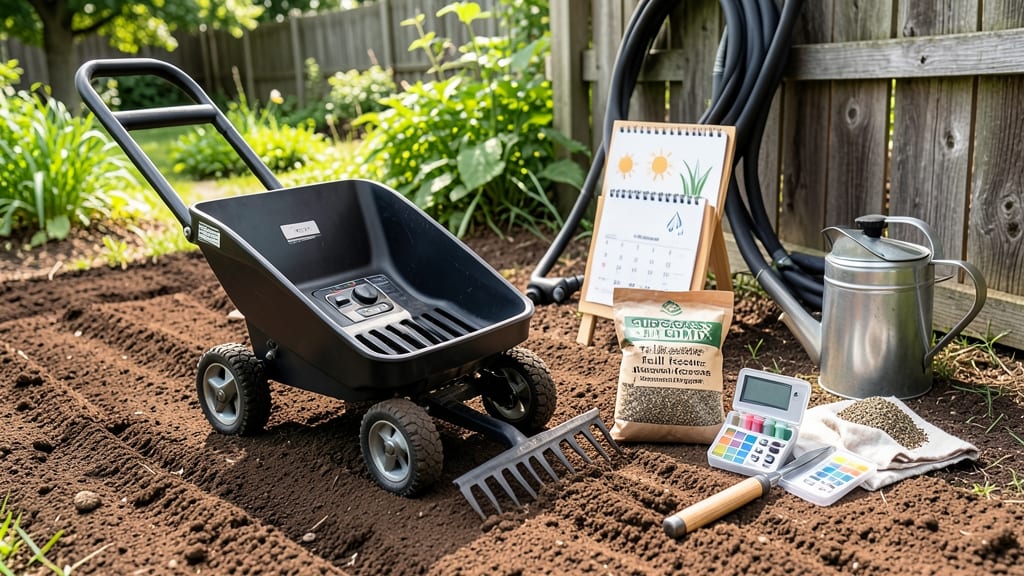
Planting grass seed in Virginia at the wrong time can turn your spring dreams of a lush lawn into months of bare patches and frustration.
Here’s the secret: timing matters more than you think. Cool-season grasses — the kind that dominate Virginia’s 6a-8a zones — need the perfect window between frost and heat, or they’ll struggle to take root.
Miss it, and you’re left with slow growth, weeds taking over, or seed that simply won’t germinate.
In this guide, I’ll break down the exact deadlines for your hardiness zone, whether you’re in the mountains, Piedmont, or coastal areas. You’ll learn how to prep your soil for fast germination, avoid common mistakes, and pick the right grass type for your climate.
By the end, you’ll know not just when to plant, but how to set your lawn up for success — so you’re enjoying that green carpet by next summer, not patching bare spots.
Virginia’s best grass planting windows by hardiness zone: cool season deadlines explained
Virginia’s climate—spanning USDA zones 5a to 8a—creates a tricky balance for grass seed planting. Cool-season grasses like tall fescue and Kentucky bluegrass need precise timing to thrive, while warm-season options like Bermuda grass have entirely different deadlines.
Miss the window, and you’ll battle weeds or slow germination. Let’s break down the exact planting windows for your zone, including soil temperature thresholds and frost-free periods that make or break success.
Most Virginia gardeners focus on two prime windows: early fall (August-September) and early spring (March-April). These periods offer moderate soil temps (50-65°F), reduced competition from weeds, and consistent moisture—ideal for seed germination. But your specific zone dictates the exact deadline.
For example, zone 5a (mountain regions) has a shorter growing season than zone 8a (coastal areas), so timing shifts by weeks. Below, I’ve mapped out the critical dates for each zone, including buffer periods to account for Virginia’s unpredictable weather swings.
📌 Pro Tip: Use a soil thermometer to confirm temps are in the 50-65°F range before planting. Cool-season grasses won’t germinate below 40°F, and above 75°F, they’ll bolt or fail to establish. This is non-negotiable for Virginia’s humid summers and chilly springs.
Notice how the planting window expands as you move toward warmer zones? In zone 8a, you can even plant in late winter (January-February) because the soil stays warmer longer. But in zone 5a, rushing spring planting past April 15 risks frost damage.
Always plant 4-6 weeks before the first frost in fall or after the last frost in spring to give roots time to establish.
For cool-season grasses, early fall is often the best window because summer heat has passed, and cooler temps reduce stress on young seedlings. In zone 7a and warmer, you can push planting into late October, but avoid November—seed won’t germinate in cold soil.
Spring planting should wait until soil temps rise above 50°F, usually mid-March or later, depending on your zone.
If you’re planting warm-season grasses like Zoysia or Centipede, the rules flip: aim for late spring (May-June) when soil temps hit 65-75°F. These grasses won’t germinate in cool soil, so don’t waste seed on early planting.
Check the Virginia Cooperative Extension for your local last frost dates—they update annually based on microclimates.
One mistake I see often? Planting based on air temperature instead of soil temperature. A 70°F day in March might feel warm, but if the soil is still 45°F, your seed will sit dormant.
Use a soil thermometer (only $10) to confirm readiness. Pro tip: Morning soil temps are the most reliable gauge—measure at 8 AM in a shady spot to avoid sun distortion.
For shade-prone lawns, choose fine fescue varieties, which tolerate lower light but still need the same cool soil temps to germinate. In full sun areas, tall fescue or perennial ryegrass blends establish faster in Virginia’s climate. Always test your soil’s pH (ideal: 6.0-7.0) before planting—
How to prepare Virginia soil for grass seed: pre-planting checklist for fast germination
If you’ve ever planted grass seed in Virginia only to watch it struggle or fail to germinate, chances are your soil wasn’t ready. Virginia’s clay-heavy soils and humid climate create unique challenges that require careful prep.
The key to fast germination lies in loosening compacted soil, balancing pH levels, and controlling weeds before seeding. Skipping these steps means your seed may never break through the surface—or worse, rot before it sprouts.
I’ve learned the hard way that soil temperature and moisture consistency are just as critical as timing. In my experience, the difference between a thick, green lawn and a patchy mess often comes down to how well you prepare the ground.
Let’s break down the exact steps to get your Virginia soil ready for grass seed, so you can enjoy that lush carpet by next summer instead of fighting bare spots.
Virginia Soil Prep Checklist
- 🔹 Test Soil pH (Ideal: 6.0-7.0)
- 🔹 Till 4-6 inches deep to loosen clay soil and improve drainage
- 🔹 Remove weeds and debris (hand-pull or use vinegar spray for organic control)
- 🔹 Add compost (2-3 inches) for nutrients and to break up clay
- 🔹 Level the soil with a rake to create a smooth seedbed
- 🔹 Water deeply 1-2 days before planting to settle soil
Let’s start with pH testing, because Virginia’s soils often lean acidic or alkaline, and grass seed needs that 6.0-7.0 range to thrive. I’ve seen seed fail to germinate simply because the soil was too acidic—adding lime (for acidic soil) or sulfur (for alkaline) can make all the difference.
Grab a soil test kit from your local garden center and follow the instructions to adjust before planting.
Once your pH is perfect, focus on tilling depth. Virginia’s clay soils compact easily, so tilling 4-6 inches deep is essential. This breaks up the clay, improves water drainage, and gives those grass roots room to establish.
If you’re working with a small area, a manual tiller works great—just be sure to go slow to avoid creating clods that could smother your seed.
Weed control is another non-negotiable step. Weeds compete for nutrients and water, so remove them before planting. I’ve had the best success with a vinegar-based spray (3 gallons vinegar + 1 cup dish soap) applied a week before seeding.
For stubborn weeds, a pre-emergent herbicide can help, but apply it after planting your grass seed to avoid harming the new growth.
Finally, moisture management is key. Virginia’s humid summers can dry out soil quickly, while clay soils retain too much water. Strike the balance by watering deeply 1-2 days before planting to settle the soil, then keep it consistently moist (not soggy) after seeding.
A light mulch of straw can help retain moisture without smothering the grass.
By following these steps, you’ll create the perfect seedbed for your grass to germinate quickly and establish strong roots. Trust me, the extra effort now pays off with a lush, weed-free lawn that stays green all season long. 🌱